The headlines are breathless. Tiger Shroff buys a luxury pad in Dubai. The "overseas property push" is officially a trend. Indian high-net-worth individuals are supposedly "fleeing" to the desert for greener pastures and tax-free sun.
It is a beautiful narrative. It is also a trap.
While the mainstream media paints this as a bold stroke of financial genius, they are missing the forest for the trees. Most Indian investors aren't "diversifying" into Dubai; they are chasing a celebrity-induced FOMO that ignores the brutal mathematics of real estate cycles and the actual cost of liquidity.
The Celebrity Echo Chamber
Celebrity real estate moves are rarely about "returns." They are about brand alignment and residency perks. When an actor like Shroff buys in Dubai, the industry calls it a "bet" on the market. In reality, it is often a strategic trade for a Golden Visa or a marketing partnership.
The average investor sees this and thinks, "If it’s good enough for Tiger, it’s good enough for my portfolio."
That logic is how people lose their shirts. Celebrity wealth is structured differently. Their risk appetite is skewed by massive, front-loaded income streams. If a property in Dubai drops 15% in value over three years, it is a rounding error for a Bollywood star. For a mid-tier businessman from Delhi, that same drop—when coupled with currency fluctuations—is a catastrophic blow to their net worth.
The Myth of the "Safe Haven"
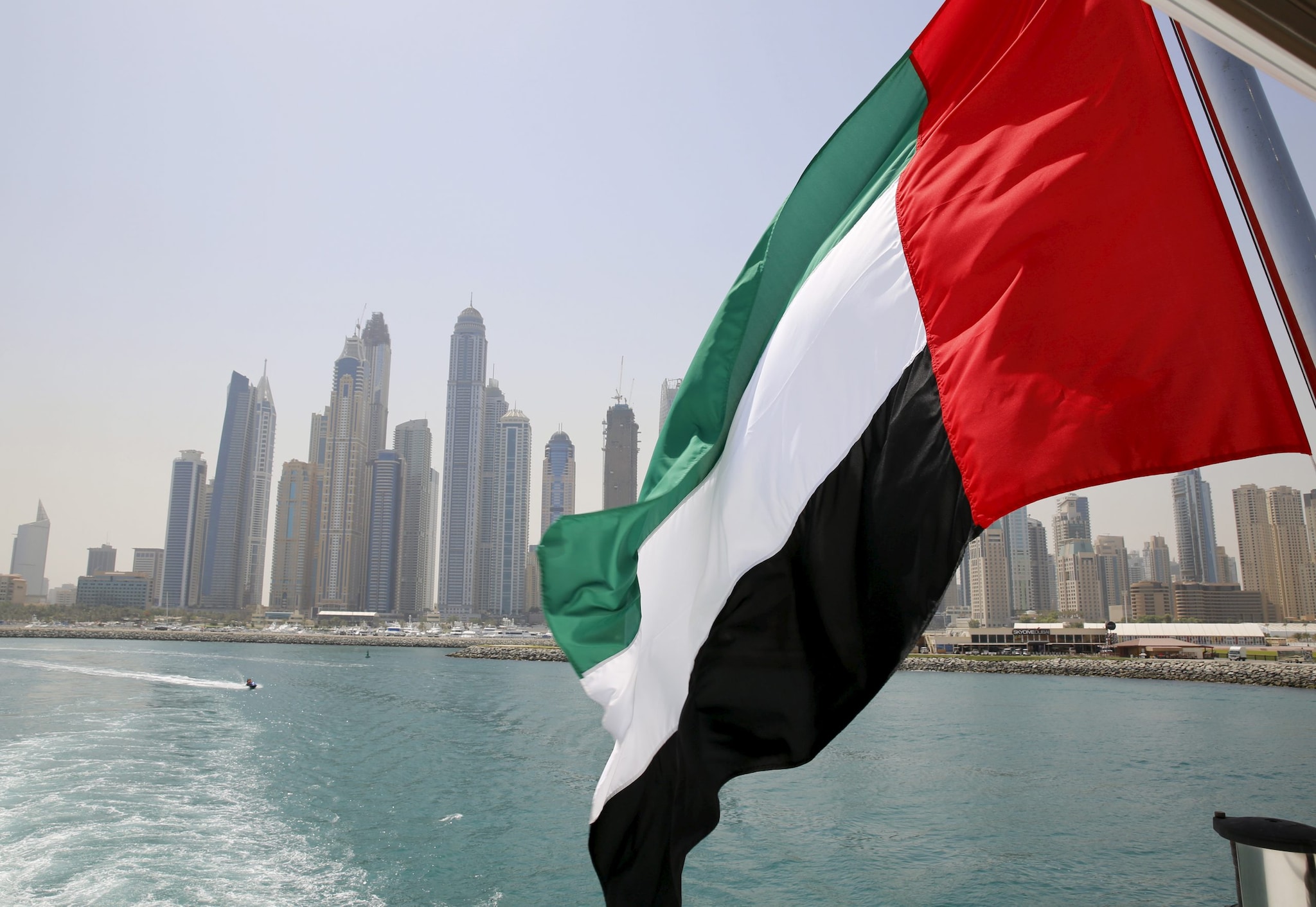
Dubai is marketed as a bastion of stability. The narrative suggests that as the Indian Rupee (INR) faces pressure, parking wealth in Dirhams (AED), which is pegged to the US Dollar, is a masterstroke.
Let’s look at the actual math.
Investors often forget that entry and exit costs in Dubai are not negligible. You aren't just paying the sticker price. Between the Dubai Land Department (DLD) fees, registration fees, and agency commissions, you are starting your "investment" roughly 6% to 8% in the hole. In a market known for its volatility and massive oversupply of "luxury" inventory, reclaiming that initial hit can take years of rental yield.
Furthermore, everyone talks about the 5% to 7% rental yields. They rarely talk about the service charges. In high-end developments, maintenance fees can eat 20% of your gross rental income. Suddenly, that "tax-free" yield looks remarkably similar to a high-yield savings account in India, but with 100x more headache.
Why Your "Diversification" is Actually Concentration Risk
True diversification means moving into uncorrelated assets. Buying property in Dubai because you are worried about the Indian economy is not diversification; it is doubling down on an emerging market profile.
If you want safety, you buy boring logistics hubs in the American Midwest or multifamily units in German suburbs. Buying a flashy apartment in a city where the supply is controlled by a handful of massive, state-linked developers is a speculative play on geopolitical sentiment.
- The Oversupply Problem: Dubai’s skyline is a testament to ambition, but it’s also a warning of perpetual supply. Unlike London or New York, where zoning laws and space constraints create artificial scarcity, Dubai can—and will—keep building.
- The Liquidity Lie: Real estate is illiquid by nature. International real estate is doubly so. If the Indian market takes a hit and you need cash, selling a secondary residence in a foreign jurisdiction during a global downturn is a fire sale, not a liquidation.
The Currency Play That Bites Back
The biggest argument for the Dubai push is the "USD-peg" of the Dirham. The logic: "The Rupee is depreciating, so I’m making money just by holding AED-denominated assets."
This assumes the Rupee’s decline is a linear, predictable slide. It ignores the cost of repatriation. Under the Liberalised Remittance Scheme (LRS), Indian residents can send up to $250,000 abroad per year. However, the Tax Collected at Source (TCS) on these remittances has jumped to 20%.
Think about that. You are paying a 20% "tax" upfront to move your capital out of the country. Your Dubai property has to outperform the Indian market by a massive margin just to break even on the capital you shifted. Most investors are so blinded by the "glamour" of the Dubai lifestyle that they fail to run the internal rate of return (IRR) on a net-of-tax basis.
The Counter-Intuitive Truth
If you want to invest like the elite, don't buy where they buy; buy where they invest.
The smart money isn't buying apartments in the Marina to rent them out to vacationers. The smart money is looking at the underlying infrastructure, the tech hubs, and the private equity shifts. A luxury apartment is a liability disguised as an asset. It requires upkeep, insurance, and constant management.
The "Lifestyle" Trap
"But I can use it for vacations!"
This is the most expensive hotel room you will ever stay in. When you factor in the opportunity cost of the capital, the maintenance, and the taxes, you could stay in the Royal Suite at the Burj Al Arab for a month every year and still come out ahead.
If you are buying for lifestyle, admit it. Call it a luxury purchase. Don't wrap it in the shroud of "investment strategy" to justify the spend to your accountant.
The Reality of the "Golden Visa"
The 10-year residency is the carrot dangled in front of every Indian investor. It offers a sense of security—a "Plan B."
But ask yourself: what is the Plan B for? If you are a successful entrepreneur in India, your network, your leverage, and your growth are tied to the Indian ecosystem. Moving to Dubai as a resident sounds great until you realize you are a small fish in a very expensive pond, stripped of the domestic advantages that made you wealthy in the first place.
Stop Following the Herd
The "Indian investor push" is a lagging indicator. By the time it’s a headline in the business papers, the easy money has already been made. The developers have already priced in the "Indian demand" premium.
When you see a celebrity buying in a specific district, that is your signal that the marketing machine is at full throttle. The value has peaked. The "bet" isn't on the property; the bet is that you can find a bigger fool to buy it from you in five years.
In a world obsessed with global footprints, the most contrarian move an Indian investor can make is to ignore the desert mirage and look at the massive, undervalued Tier-2 cities in their own backyard. The yields are higher, the tax friction is lower, and you don't need a passport to check on your roof.
Stop buying the narrative. Start doing the math. The desert is hot, but the "overseas property push" is just a way to get burned in style.