Standing on a frozen lake when it is -30°C feels less like a vacation and more like a survival test. Your eyelashes freeze together. The air tastes like needles. Yet, every year, thousands of people trek to the remote corners of the Murmansk region, right near the Norwegian and Finnish borders, to witness something primal. They aren't there for the scenery. They are there for the Reindeer Games.
Forget the sanitized versions of indigenous culture you see in gift shops. This is raw. Reindeer racing is the heartbeat of the Saami people, the indigenous inhabitants of the Kola Peninsula. It's a high-stakes display of speed, stubbornness, and incredible animal husbandry that has survived Soviet collectivization and modern industrialization. If you think horse racing is intense, you haven't seen a pair of 400-pound bulls hurtling toward a finish line on slick ice while a driver clings to a wooden sled for dear life.
The Brutal Reality of the Arctic Track
The races usually take place during the Festival of the North, a massive sporting event that’s been running since the 1930s. While Murmansk serves as the hub, the real action happens in places like Lovozero. This is the spiritual capital of the Russian Saami.
You don't just show up and run. The reindeer used for racing aren't the same ones pulling heavy supply sleds across the tundra. These are the athletes. They’re leaner and faster. Drivers spend years building a bond with their lead bull. In Saami culture, the reindeer isn't just livestock; it's a partner. The "track" is often a straight shot across a frozen reservoir or a snowy field. The ground is treacherous. If the snow is too soft, the sleds sink. If it's too icy, the reindeer lose their footing, which can be catastrophic at 30 miles per hour.
Most spectators are wrapped in layers of reindeer fur and thermal gear, clutching thermoses of hot tea or "mors" (a tart berry drink). The cold is an active participant in the event. It numbs your face until you can’t smile, but the adrenaline of the crowd keeps the energy high. When the starting signal drops, the silence of the tundra is shattered by whistles, shouts, and the rhythmic thud of hooves hitting packed snow.
Why This Tradition Refuses to Die
It’s easy to look at reindeer racing as a tourist gimmick. That’s a mistake. For the herders, this is about prestige and proving the strength of their lineage. The Saami have faced decades of pressure to modernize and abandon their nomadic roots. Under the Soviet Union, reindeer herding was turned into a state industry. Traditional practices were often discouraged or flattened into "folk performances."
Racing is an act of defiance. It’s a way to keep the specialized knowledge of the tundra alive. You have to know the temperament of each animal. You have to understand how to steer using only a long pole called a "khorey" and a single leather rein. There are no steering wheels here. It is all about weight distribution and subtle cues.
The Mechanics of the Sled
The sleds, known as narty, are marvels of low-tech engineering. They’re built without nails. Instead, they use leather lashings. This allows the wooden frame to flex and absorb the shocks of the uneven terrain. If the sled were rigid, it would snap within seconds of hitting a frozen rut.
- Weight: Drivers try to keep the sled as light as possible.
- Balance: The driver stands or sits in a specific way to keep the center of gravity low.
- The Khorey: This isn't a whip. It’s a guiding tool used to touch the reindeer's side to signal a turn.
The Logistics of Braving the Borderlands
Getting to these races isn't for the faint of heart. You're heading into a region that is heavily militarized due to its proximity to NATO borders. The checkpoints are real. The paperwork is tedious. But the payoff is a glimpse into a world that feels completely disconnected from the digital noise of Moscow or St. Petersburg.
The weather is the biggest hurdle. In the Murmansk region, the "Polar Night" ends in mid-January, but the deep cold lingers well into March and April. You’ll see people with frostbite patches on their cheeks—blackened skin from where the wind bit too hard. Locals use goose fat or heavy creams to protect their faces. If you go, don't rely on your "heavy" winter coat from a London or New York department store. You need expedition-grade gear or, better yet, local furs.
Managing the Crowds and the Chaos
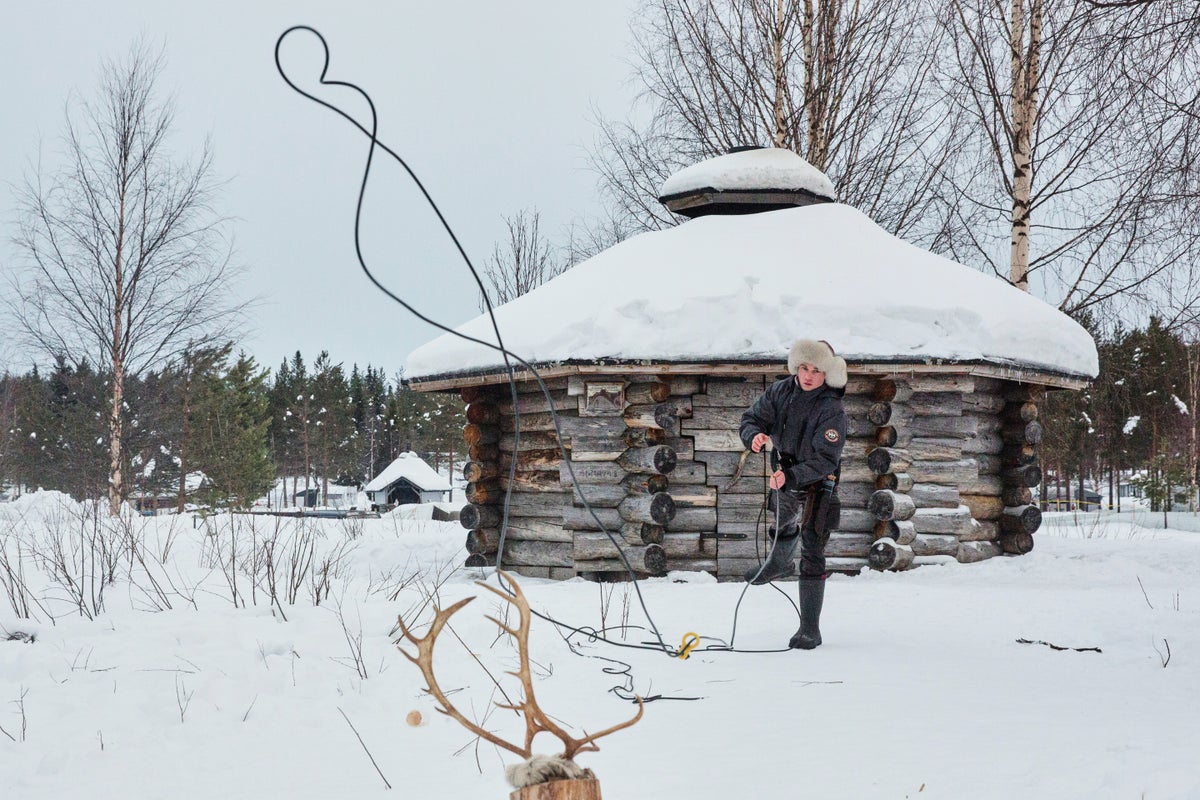
Surprisingly, these events are packed. It’s a festival atmosphere. Beside the main racing track, you’ll find competitions in lasso throwing (called "mauan") and traditional wrestling. The smell of woodsmoke and roasted reindeer meat hangs in the air.
There is a specific etiquette to watching these races. Never cross the track. Reindeer are easily spooked and, unlike horses, they don't always follow a straight line if they get scared. They are powerful, semi-wild animals. If a bull decides to veer into the crowd, people move—fast.
What the Critics Get Wrong
Some animal rights groups have questioned the ethics of the races. However, herders argue that these animals are bred for movement. In the wild, reindeer migrate thousands of miles. The race is a fraction of their natural daily exertion. Moreover, the prizes for these races—often snowmobiles, outboard motors, or cash—directly support the herding brigades that keep the local economy alive. It’s a cycle of survival that outsiders often struggle to grasp.
How to Experience the Arctic Without Losing a Toe
If you're actually planning to head north to see this, stop looking at standard travel agencies. You need a fixer who understands the Kola Peninsula.
- Secure your permits early. Since many of these villages are in border zones, you need FSB clearance which can take 30 to 60 days.
- Fly to Murmansk. It’s the largest city north of the Arctic Circle and serves as your base camp.
- Rent a local driver. Don't try to drive on Arctic roads yourself. The "whiteouts" are real, and the roads are often just sheets of black ice.
- Learn the basics of the Saami language. Even a few words show respect to the locals who are often wary of "Arctic tourists" looking for a quick photo.
The Reindeer Games represent the raw endurance of the human spirit in a place that wants to freeze you solid. It's loud, it's freezing, and it smells like wet fur and woodsmoke. It's the most honest thing you'll ever see.
Pack the heaviest wool socks you can find. Then buy another pair. You'll need them when the wind starts howling off the Barents Sea and the first reindeer crests the hill.