A 28-year-old woman lost her life this week after a paragliding accident in Tenerife took a turn for the worse. This wasn't just a mechanical failure or a gust of wind. It was a medical emergency mid-air that ended in a crash and, ultimately, a fatal cardiac arrest. When you hear about these "horror crashes," the headlines usually focus on the gore. They rarely talk about the specific physiological stresses or the logistical nightmare of high-altitude rescues in the Canary Islands.
Tenerife is a mecca for paragliders. The thermal lift from the volcanic terrain of Mount Teide creates some of the best flying conditions in the world. But those same conditions come with an inherent risk that many tourists don't fully grasp before they strap into a harness. This recent tragedy in the Adeje region isn't an isolated fluke. It's a reminder that even "safe" adventure sports require a level of physical readiness and environmental awareness that goes beyond a basic safety briefing.
What Happened in the Adeje Mountains
The incident occurred near the Calle de la Enramada. The victim, a 28-year-old woman, was paragliding when something went wrong during the flight. According to the Emergency and Security Coordination Center (CECOES) 112, the initial reports indicated a crash in a rocky, difficult-to-access area.
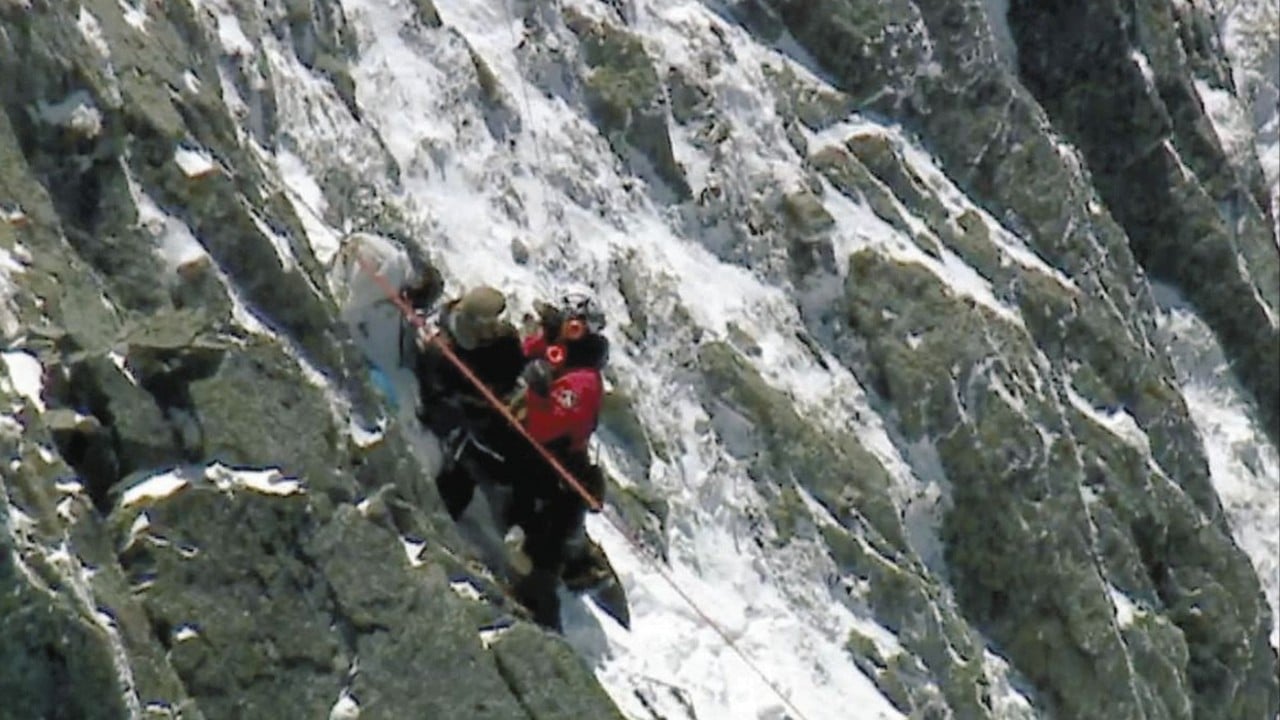
Rescue teams moved fast. A helicopter from the Emergency and Rescue Group (GES) was dispatched to airlift the woman. At that point, she was already in cardiorespiratory arrest. Medical personnel performed advanced CPR both in the air and on the ground at the landing site near the beach. They didn't stop. They fought to bring her back for an extended period, but the damage was too severe. She was pronounced dead at the scene.
This highlights a terrifying reality of adventure sports. When a medical crisis happens a thousand feet in the air, your "golden hour" for survival shrinks to minutes. The G-forces, the adrenaline, and the thin air can trigger underlying conditions or exacerbate a panic response that the body just can't handle.
The Physical Toll of High Altitude Flight
Most people think paragliding is just sitting in a chair and looking at the view. It’s not. Your body is under constant stress. You're dealing with rapid changes in atmospheric pressure and temperature.
In Tenerife, you might take off from an elevation of 2,200 meters and land at sea level in less than thirty minutes. That's a massive shift for your circulatory system. For a young, seemingly healthy 28-year-old, a sudden cardiac event seems impossible. But "silent" heart conditions can be triggered by the massive surge of catecholamines—adrenaline and noradrenaline—that occurs during flight. If you're dehydrated or haven't slept well because of travel, your heart is already working overtime before you even leave the ground.
Why Rescues in Tenerife are Difficult
The geography of the Canary Islands is stunning, but it's a trap for rescue workers. The "barrancos" or deep ravines that cut through the landscape make ground access nearly impossible in many spots.
- Wind Shears: The coastal winds can change in seconds, making it dangerous for rescue helicopters to hover near cliff faces.
- Thermal Bubbles: Heat rising from the dark volcanic rock creates unpredictable lift, which can toss a paraglider—or a rescue drone—around like a toy.
- Communication Gaps: In the deep valleys of Adeje, mobile signals are spotty. If a solo flyer goes down, there’s a chance nobody knows exactly where they are for a critical window of time.
Risk Management for Tandem and Solo Flyers
If you're planning to fly in Tenerife, you need to be your own safety officer. Don't rely solely on the company's "certified" status. Ask the hard questions.
Check the weather yourself. Don't just look at the sun; look at the wind speeds at the take-off point versus the landing zone. In Tenerife, the "Alisios" winds are famous for being steady, but they can create rotors on the leeward side of the mountains. If your pilot seems rushed or the wind feels "gusty" rather than "smooth," stay on the ground. No refund is worth your life.
Listen to your body. If you feel lightheaded or have chest tightness at altitude, you shouldn't be in a harness. Many tourists push through "minor" discomfort because they paid 150 Euros for the experience. That’s a mistake. The combination of altitude and adrenaline is a potent physiological trigger.
The Aftermath of Adventure Tourism Tragedies
When these accidents happen, the local government usually cracks down on permit checks and equipment inspections. But the real change needs to happen at the consumer level. We've commodified extreme sports to the point where people think paragliding is as safe as a Ferris wheel. It isn't.
The Civil Guard is currently investigating the specifics of this crash to see if there was equipment failure or if the cardiac arrest was the primary cause of the descent. Regardless of the final report, the outcome remains a sobering lesson for the thousands of people who flock to the islands for an adrenaline fix every year.
Adventure has a price. Sometimes, it's the ultimate one. Before you head to the launch site, ensure you have travel insurance that specifically covers "aerial sports" and "search and rescue." Standard policies almost always exclude paragliding. If you need a helicopter evacuation in Spain without the right coverage, you’re looking at a bill that starts at 5,000 Euros and goes up from there.
Check your gear. Vet your pilot. Respect the mountains. If the conditions don't feel right, walk away. The view will still be there tomorrow, but you might not be if you ignore the warning signs.