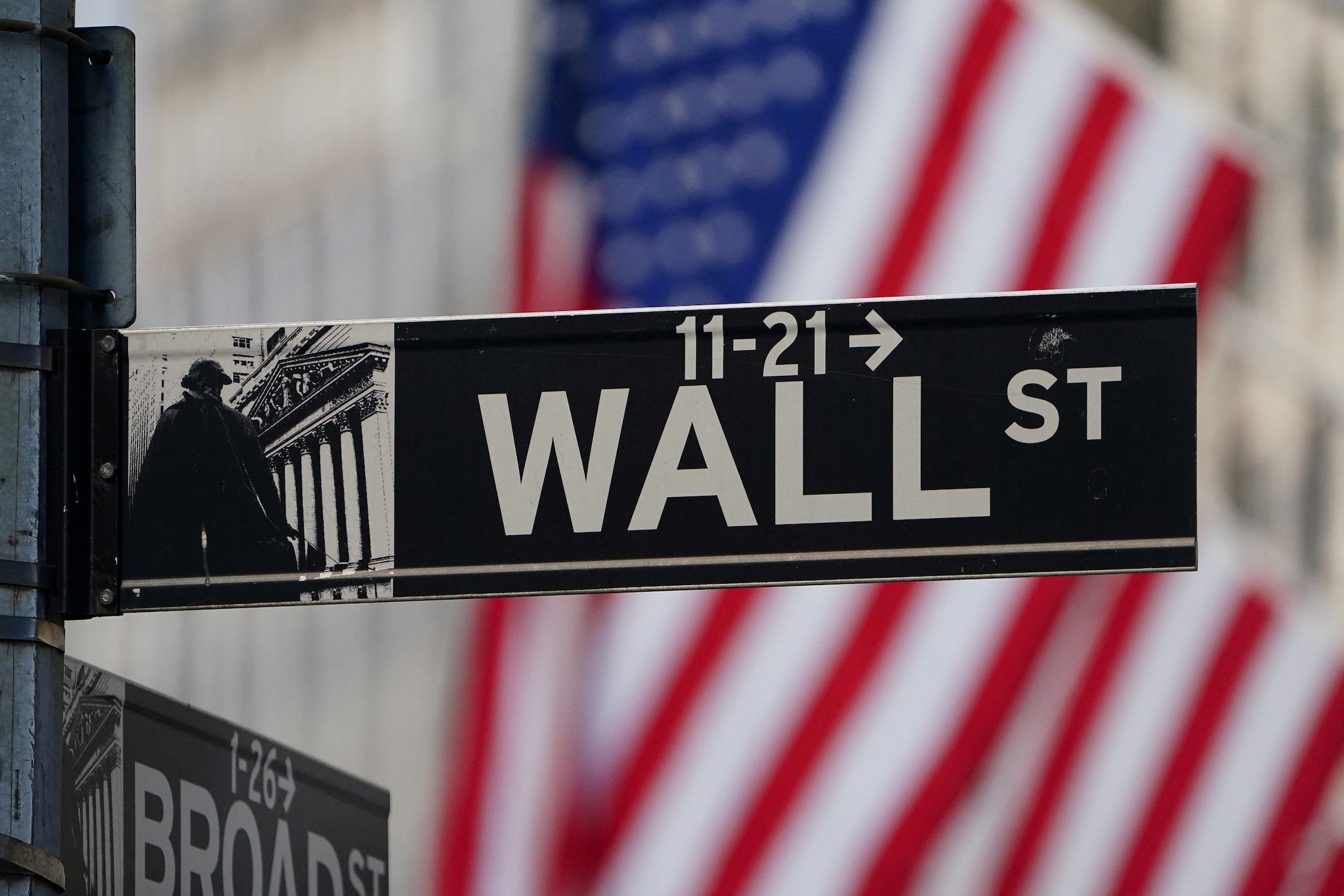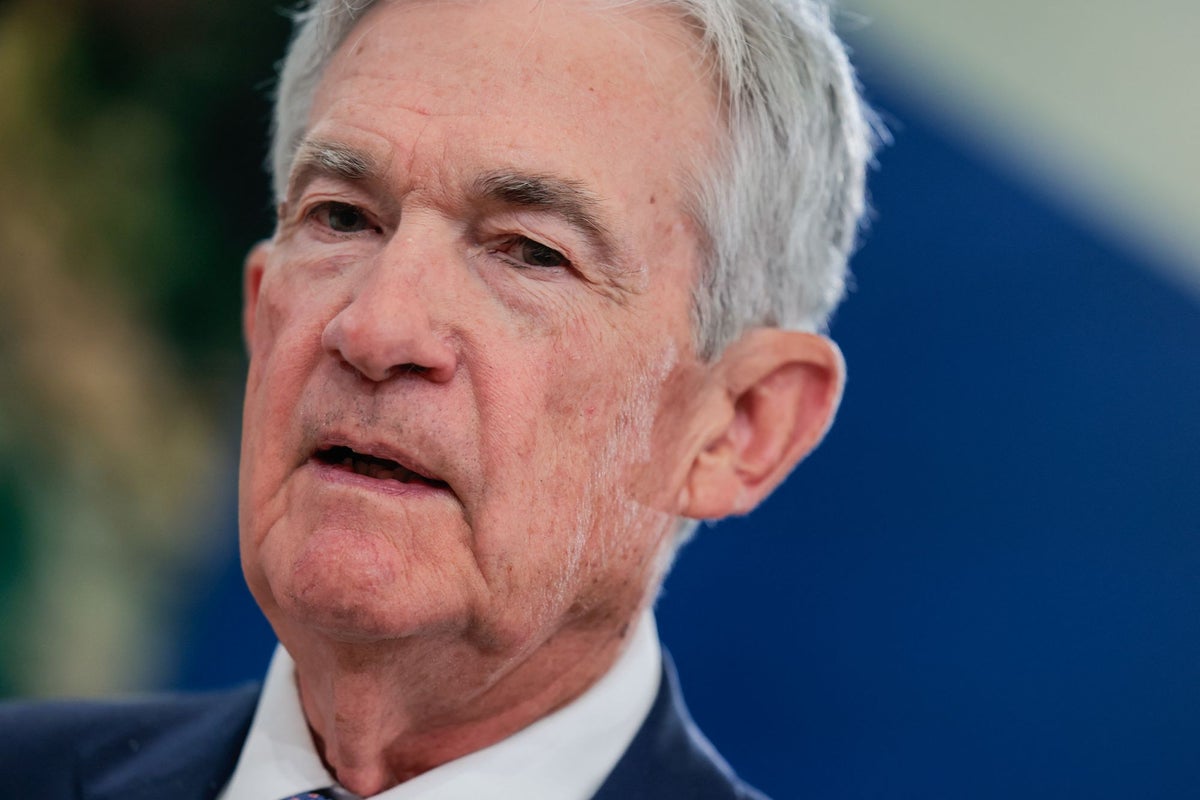
The financial press is currently tripping over itself to frame the Trump administration’s decision to drop the lawsuit against Jerome Powell as a "peace offering" or a "clearing of the deck" for Kevin Warsh. They are wrong. They are missing the structural reality of how power actually functions in Washington and on Wall Street. Dropping a lawsuit isn't a white flag; it is a pivot to a more efficient form of capture.
Mainstream analysts love a good personality drama. They want to tell you a story about a "feud" between the White House and the Federal Reserve. They want you to believe that removing Powell’s legal headache is a prerequisite for installing a "loyalist" like Kevin Warsh. This narrative is a comforting fiction for people who need to believe the Fed is an independent pillar of stability that only changes when a new king is crowned.
Here is the truth: The Fed’s independence has been a convenient myth since the 2008 financial crisis. The lawsuit against Powell was never going to result in his removal because the law—specifically the Federal Reserve Act—is intentionally vague on what constitutes "for cause" removal. The DOJ didn't drop the case to be nice. They dropped it because they realized that keeping Powell in a defensive crouch is actually more useful than firing him and risking a market tantrum.
The Warsh Delusion
Everyone is obsessed with Kevin Warsh as the "hawkish" savior or the "Trumpian" disruptor. I have sat in rooms with the type of people who trade on these transitions. They don't care about Warsh’s ideology. They care about his pedigree.
Warsh is the ultimate insider. He is a Morgan Stanley alum who married into the Lauder family and sat on the Fed Board during the most aggressive expansion of the balance sheet in history. To suggest he is a "disruptor" is like suggesting a gold-plated faucet is a radical new way to get water.
The "lazy consensus" says Warsh will bring a harder line on inflation or a more aggressive deregulation stance. In reality, any Fed Chair is a prisoner of the bond market. If Warsh tries to deviate too far from the expectations of the primary dealers, the yield on the 10-year Treasury will spike, the housing market will crater, and the White House will be the first one calling for a "pivot."
Why the Lawsuit Was a Distraction
The DOJ's case against Powell was a performance. It was a legal stress test designed to see how much the executive branch could squeeze the central bank without breaking the glass.
When you see a headline saying the case was dropped to "clear the way," read it as: "We have extracted the concessions we needed."
What were those concessions? Look at the Fed’s recent footprint in the repo markets and its quiet softening on Basel III endgame capital requirements. Powell didn't need to be fired to be neutralized. He just needed to be reminded that his legal fees were being paid by the people who wanted him gone.
I’ve watched institutional investors lose hundreds of millions because they bet on "independence." They believed the Fed would stick to its dot plot regardless of the political cycle. They were wrong in 2018, they were wrong in 2021, and they are wrong now. The Fed doesn't lead; it reacts.
The Fallacy of the Independent Central Bank
Let’s dismantle the biggest myth in economics. The idea that $12$ individuals on the FOMC can "manage" a $27$ trillion dollar economy using a single interest rate tool is an absurdity that we all agree to pretend is true so the dollar doesn't collapse.
The Federal Reserve is a debt-management office for the U.S. Treasury. Period.
$$r = i - \pi$$
In this equation, where $r$ is the real interest rate, $i$ is the nominal rate, and $\pi$ is inflation, the Fed tries to convince you they control $i$. In reality, the massive fiscal deficit—driven by the very administration that just dropped the lawsuit—dictates what $i$ has to be. If the deficit is too high, the Fed must keep $i$ low enough to prevent the government from going bankrupt on interest payments.
Whether it’s Powell or Warsh, the math doesn't change.
Stop Asking if Warsh is Qualified
The "People Also Ask" sections are filled with questions like "Is Kevin Warsh good for the stock market?" or "Will Warsh lower interest rates?"
You are asking the wrong questions.
The right question is: "Does the Fed Chair even matter in an era of fiscal dominance?"
When the government is running a $6%$ deficit during "peace-time" prosperity, the Fed is no longer the pilot. It is the flight attendant trying to keep the passengers calm while the engines are on fire. Warsh isn't being brought in to change the flight path; he’s being brought in because he’s better at the PR aspect of the job. He looks the part. He speaks the language of the donor class. He provides a "pro-growth" veneer to the same inflationary policies we’ve seen for a decade.
The Counter-Intuitive Reality of Deregulation
The narrative says Warsh will "unshackle" the banks.
Ask yourself: Who benefits from a deregulated banking sector? Not the small business owner. Not the consumer. The primary beneficiaries are the mega-banks that already have the scale to absorb the volatility that deregulation creates.
If Warsh rolls back capital requirements, he isn't "freeing the market." He is increasing the systemic risk that the Fed will eventually have to bail out. It is a circular logic that serves the top $0.1%$.
I have seen this movie before. In $2006$, the consensus was that "financial innovation" had permanently lowered risk. We know how that ended. By dropping the Powell lawsuit and signaling a Warsh era, the administration is telegraphing a return to the "easy money, easy rules" environment of the mid-2000s.
The Risk You Aren't Tracking
The real danger isn't that Warsh is too political. The danger is that the market stops believing in the Fed’s "myth" entirely.
The Powell lawsuit was a crack in the porcelain. Dropping it doesn't fix the crack; it just puts a piece of tape over it. If the public perceives that the Fed Chair is a political appointee who can be bullied by DOJ filings, the "inflation expectations" that the Fed works so hard to "anchor" will drift.
Once people stop believing the Fed can control inflation, they start acting in ways that cause inflation. They buy assets at any price. They demand higher wages. They dump bonds.
The Strategy for the New Era
If you are waiting for a "return to normalcy" under Warsh, you are going to get run over.
- Ignore the "Hawk/Dove" labels: Warsh will be whatever the Treasury Department needs him to be. In a debt crisis, everyone is a dove.
- Watch the Spread, Not the Fed: The difference between the 2-year and 10-year Treasury yields tells you more about the future than any Fed press conference.
- Bet on Volatility, Not Policy: The transition from Powell to Warsh will be marketed as a "smooth handoff." It will be anything but. The friction between the old guard at the Fed and the new political appointees will create massive execution errors in monetary policy.
The competitor article wants you to think this is a chess move. It’s not. It’s a rebranding exercise for a bankrupt strategy.
The lawsuit didn't die because the administration "cleared the way." It died because it was no longer needed once the target was sufficiently intimidated. Powell is now a lame duck, and Warsh is being measured for a suit he won't actually be allowed to wear in any meaningful way.
Stop looking at the names on the door and start looking at the ledger. The debt is the only thing that’s real. Everything else is theater.
Buy the volatility. Sell the "stability" narrative.