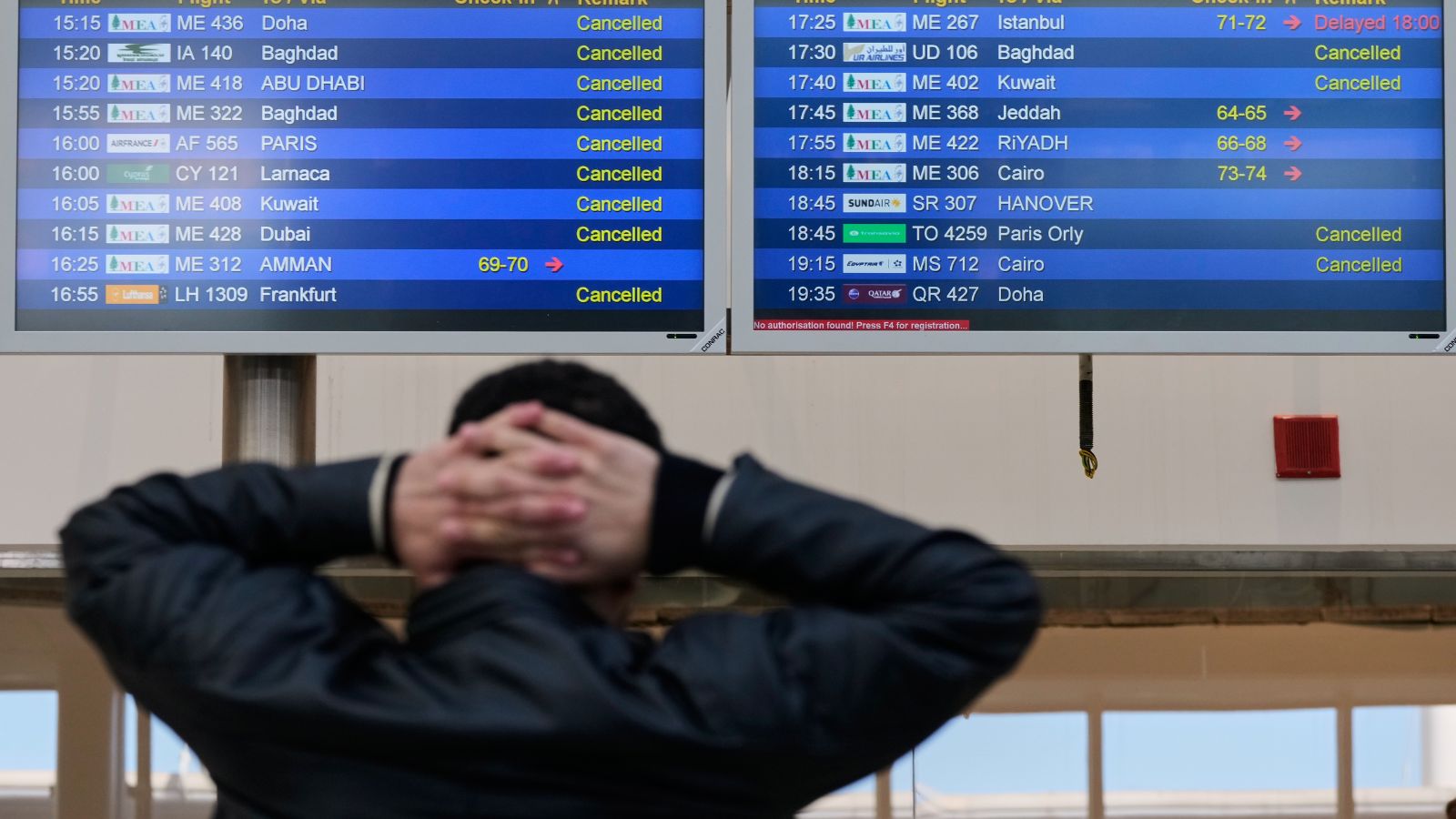
Flying during a global disruption isn't just about finding a seat anymore. It’s about who gets in line first. Starting March 2, Emirates is finally putting planes back in the sky for a limited set of routes. But if you’re thinking about hopping onto their website to snag a last-minute deal for next week, you’re probably going to be disappointed. The airline is being incredibly specific about who gets to fly: passengers with existing, earlier bookings are the priority.
This isn't a "grand reopening" of the skies. It's a calculated, phased recovery designed to clear a massive backlog of travelers who have been stuck in limbo.
The logic behind the March 2 restart
Airlines don't just flip a switch and start flying 500 people across the ocean. The decision to resume limited flights on March 2 comes after weeks of logistical headaches. Emirates has millions of dollars tied up in tickets for people who couldn't travel when the world hit the pause button. By prioritizing those who booked first, they’re trying to stabilize their balance sheet while keeping their most loyal customers from jumping ship to another carrier.
It makes sense. If you bought a ticket three months ago and you're still sitting in an airport hotel or staying on a friend's couch, you’re going to be a lot angrier than someone who decided yesterday they wanted a vacation. Emirates knows this. They’re managing optics as much as they’re managing flight paths.
The initial phase focuses on key "bridge" cities. Think of these as the major hubs that connect the East and the West. We're looking at London, Frankfurt, Paris, Zurich, and a few select destinations in Asia and Australia. It’s a skeleton crew of a schedule.
Why you might still be grounded
Don't assume that a March 2 start date means your specific flight is a go. Even if you have an existing booking, several factors could keep you on the ground.
First, there’s the issue of transit. Since Dubai is a massive hub, a flight from London to Sydney isn't just one flight—it's two. If Australia hasn't cleared the landing rights or the health protocols for that specific day, your London leg might get canceled too. Emirates is currently working through a nightmare of shifting international regulations that change by the hour.
Second, the "prioritization" isn't just about the date you bought the ticket. It’s about the class of service and the urgency of the travel. While the official line is about "earlier bookings," industry insiders know that full-fare business and first-class passengers often find their way to the front of the line when capacity is capped at 30% or 50%. It’s not fair, but it’s the reality of the airline business right now.
The health protocols you can expect
You won't recognize the cabin experience. Forget the hot towels and the crowded bar at the back of the A380 for now. To get these flights off the ground, Emirates had to agree to some of the strictest health standards in the industry.
- Mandatory PPE: Masks aren't a suggestion. You'll wear them from the moment you enter the terminal in Dubai until you leave your destination airport.
- Modified Meal Service: Everything is pre-packaged. It’s about reducing the number of times a flight attendant touches something that then goes near your face.
- Empty Seats: While they haven't committed to leaving every middle seat open, the "limited" nature of these flights means they aren't packing them to the rafters.
Dealing with the booking backlog
If you hold a ticket that was canceled over the last month, you’re likely in one of three camps. You either have a travel voucher, you’re waiting for a refund, or you’re trying to rebook for this March 2 window.
The smartest move right now is to check your email—don't call the service center. The wait times are currently hovering around five hours for most international callers. Emirates has been pushing updates to their "Manage My Booking" portal. If your flight is part of the prioritized list for the March 2 rollout, you’ll see a confirmed status change there before you hear from a human being.
If you don't see a change, it means you’re further down the list. Emirates is being blunt about this: they can’t take everyone at once. They are essentially operating a "one-in, one-out" policy based on the capacity allowed by the destination countries.
What about new tickets
Can you buy a new ticket? Technically, yes, for dates later in the month. But honestly, it’s a gamble. Until the backlog of passengers from January and February is cleared, those "new" seats are the first ones to get bumped if a flight gets downsized. I wouldn't put money down on a new Emirates booking for March unless it’s a flexible fare that allows for a full refund.
The Dubai connection
The role of Dubai International (DXB) can't be overstated here. The airport has been a ghost town, and this March 2 restart is a test run for the facility itself. They’ve installed thermal scanners and contactless check-in kiosks everywhere. If you’re transiting through Dubai, expect a lot of waiting in socially distanced lines.
The UAE government is watching this very closely. Emirates is a state-owned symbol of the country’s reach. They can't afford a PR disaster where a "restart flight" becomes a cluster for new infections. Expect the ground staff to be even stricter than the flight crew.
Moving forward with your travel plans
Stop waiting for a phone call that probably isn't coming. Take control of your itinerary by using the airline's digital tools first.
- Check your status: Log into the Emirates site or app right now. If your flight says "Contact Passenger," it means you’re in the queue but not yet confirmed for the March 2-15 window.
- Verify destination rules: Just because Emirates is flying doesn't mean your destination is letting people in. Check the IATA Travel Centre website for the most recent entry requirements for your specific nationality.
- Update your contact info: Many people miss their rebooking window because their 10-year-old email address is the one on the frequent flyer account. Fix that immediately.
- Prepare for a "lite" experience: Pack extra snacks and your own entertainment. The world-class service Emirates is known for is currently stripped down to the essentials to keep people safe.
The airline is trying to do the right thing by honoring old bookings first. It’s a messy, complicated process, but it’s a start. Just don't expect the old way of flying to return anytime soon.