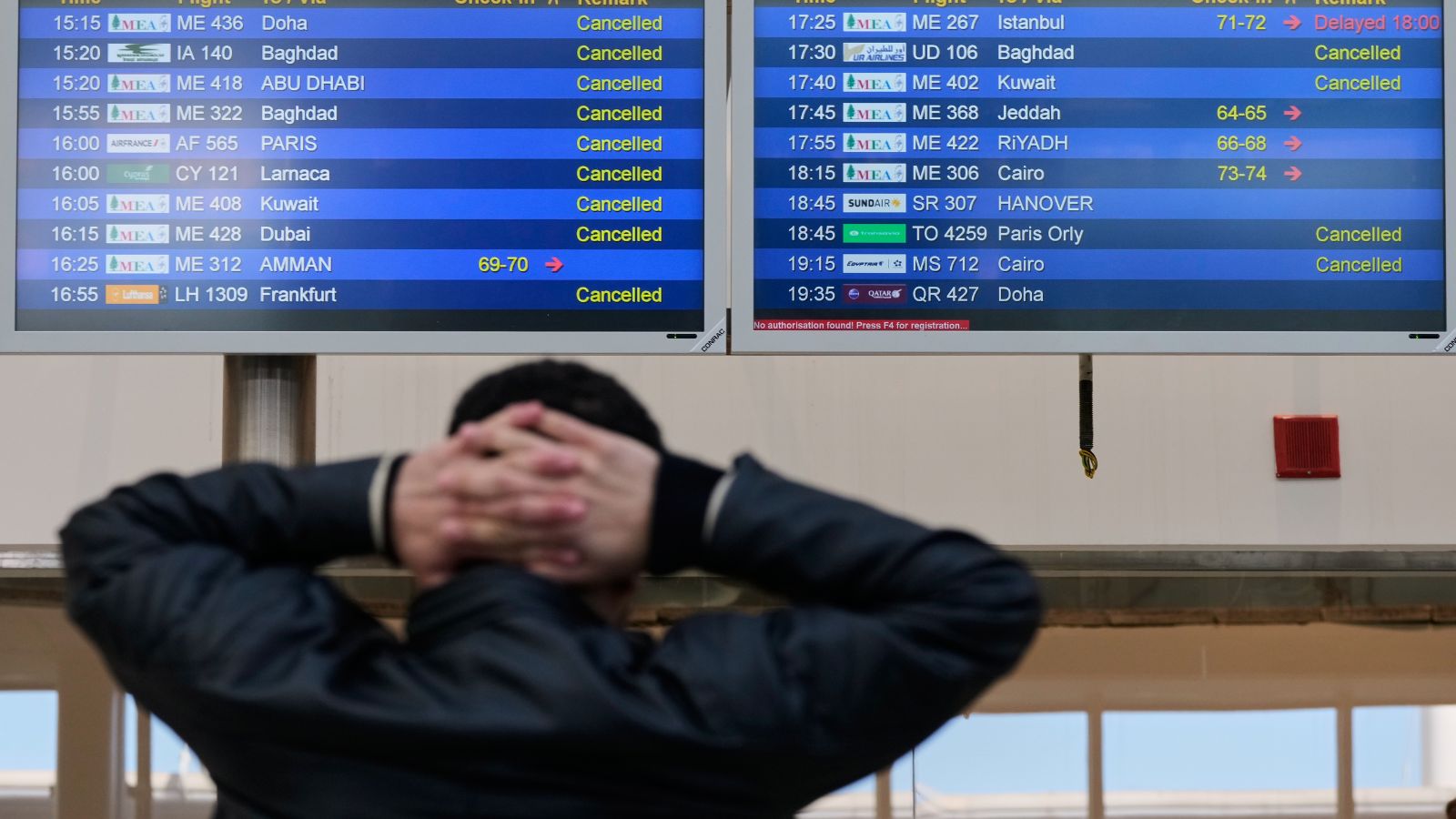
The global aviation engine has finally coughed back to life, but the smoke clearing over the Persian Gulf reveals a landscape forever changed. On the evening of March 2, 2026, Emirates, Etihad, and flydubai began a fractured, high-stakes resumption of services. It is not a return to normalcy. It is a desperate extraction exercise masquerading as a schedule.
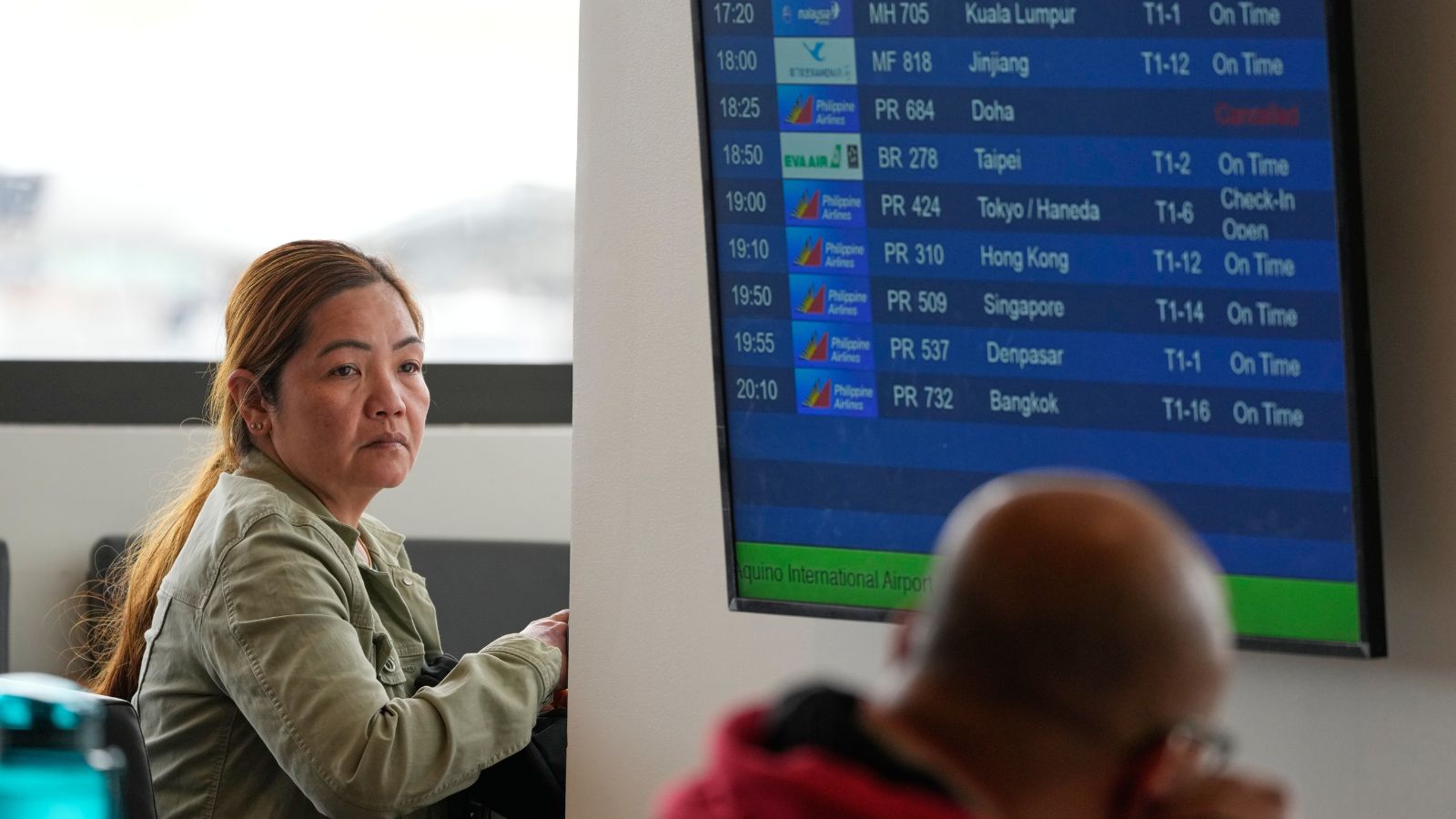
After a 48-hour paralysis that saw the sky over West Asia cleared of civilian metal, the UAE’s flagship carriers are prioritizing "special flights" for the tens of thousands of souls stranded in terminal limbo. The numbers are staggering. Analysis from aviation data firms suggests over 11,000 flights were scrubbed across the region since February 28, affecting upwards of one million passengers. This wasn't a weather delay. This was the systematic dismantling of the world's most vital transit bridge.
The Mirage of Hub Stability
For decades, the Gulf monarchies sold a specific promise: that Dubai, Abu Dhabi, and Doha were the neutral, safe, and invincible crossroads of the world. That promise evaporated the moment Iranian missiles and drones were intercepted over the shimmering glass of Zayed International and DXB.
While the official line from Dubai Airports focuses on a "limited resumption," the reality is a logistical nightmare. Emirates is only processing passengers with existing, disrupted bookings, sternly warning travelers to stay away from the airport unless contacted directly. This isn't just about crowd control. It is about the fact that the hub-and-spoke model, which relies on precision-timed "banks" of connecting flights, has effectively collapsed. When you break the spoke, the wheel doesn't just wobble; it stops.
The Anatomy of the Freeze
The escalation followed the February 28 strikes on Iranian leadership, triggering a regional retaliation that turned civilian corridors into potential kill zones. The European Union Aviation Safety Agency (EASA) and India’s DGCA didn't just issue warnings; they effectively blacklisted the airspaces of 11 countries, including the UAE, Qatar, and Saudi Arabia.
- GPS Spoofing: Pilots reported severe signal interference, making traditional navigation through the Gulf a gamble.
- Debris Risk: Interceptions of drones over residential and industrial areas in the UAE resulted in civilian casualties, proving that "iron domes" are not a perfect shield for 400-ton aluminum tubes.
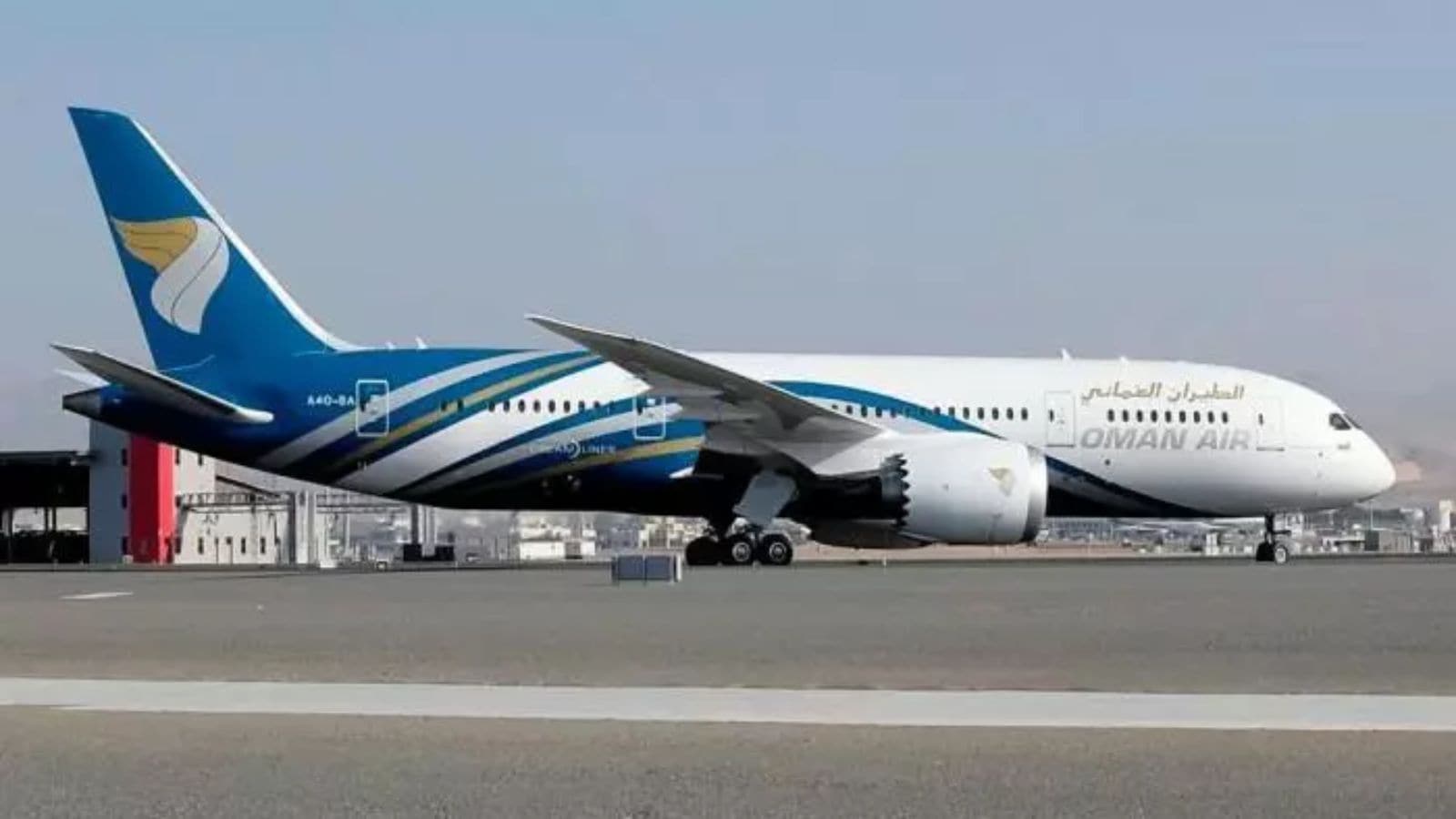
- Fuel Stop Logistics: Long-haul flights that once glided over the Middle East are now forced into expensive, time-consuming detours through Oman, Egypt, and even technical stops in Rome.
Why "Limited" Means "Repatriation Only"
Industry insiders know that "limited operations" is code for clearing the liability. Airlines are currently focused on moving "distressed inventory"—human beings who have been sleeping on terminal floors and in hotels on the government's dime.
In Abu Dhabi, the Department of Culture and Tourism took the unprecedented step of instructing hotels to extend stays for stranded guests free of charge, with the government footing the bill. This wasn't charity; it was a move to prevent a total PR meltdown in a country that lives and dies by its reputation for luxury and order.
Etihad’s approach has been even more cautious than its Dubai neighbor. While Emirates began moving select commercial legs, Etihad initially focused on repositioning aircraft and cargo, with commercial departures remaining largely frozen until mid-week. The discrepancy highlights a fundamental disagreement between regional players on the actual level of risk remaining in the sky.
The Qatar Outlier
While the UAE pushes for a restart, Qatar Airways has remained significantly more conservative. Despite Doha not being the primary target of the initial salvos, its proximity to the Iranian coastline makes its flight paths particularly vulnerable. The "neutrality" of Qatari airspace is a thin shield when Su-24s are being downed nearby.
This divergence in risk appetite is creating a secondary crisis for global alliances. Passengers booked on code-share flights are finding that while one leg of their journey is "active," the connecting hub is a ghost town.
The Economic Aftershock
The financial toll of this standstill will be measured in the billions, but the cost to the "Hub Brand" is harder to quantify. The Gulf airlines operate on thin margins of trust. They convinced the world that a four-hour layover in a desert metropolis was more efficient than a direct long-haul flight.
Now, corporate travel departments are rewriting their playbooks. If a regional skirmish can ground the world’s busiest international airport for 48 hours, the "efficiency" of the Gulf transit starts to look like a liability. We are seeing the beginning of a massive rerouting toward Pacific and North Atlantic corridors that avoid the West Asian bottleneck entirely.
What You Need to Do Now
If you are one of the thousands waiting for a text from Emirates or Etihad, the advice is grim but necessary. Do not rely on the flight boards. These "special flights" are being filled based on a hierarchy of ticket class, connection urgency, and duration of the delay.
- Verify Your Digital Paper Trail: Ensure your contact details in the "Manage Booking" section are current. Carriers are bypassing customer service lines and using automated push notifications to fill seats.
- Monitor Secondary Hubs: Carriers like Air India and Lufthansa are rerouting through Muscat and Cairo. If you can get a flight to a peripheral hub, take it.
- Check Visa Status: The Indian Ministry of External Affairs has already begun advising citizens to approach FRROs for visa extensions due to these delays. If you are on a transit visa in the UAE or Qatar, check the expiration now before the legal bureaucracy catches up with the aviation crisis.
The engines are turning, but the sky is still gray. This resumption isn't a victory; it's a triage.
Would you like me to track the specific flight resumption schedules for Emirates or Etihad from your local hub for the next 24 hours?