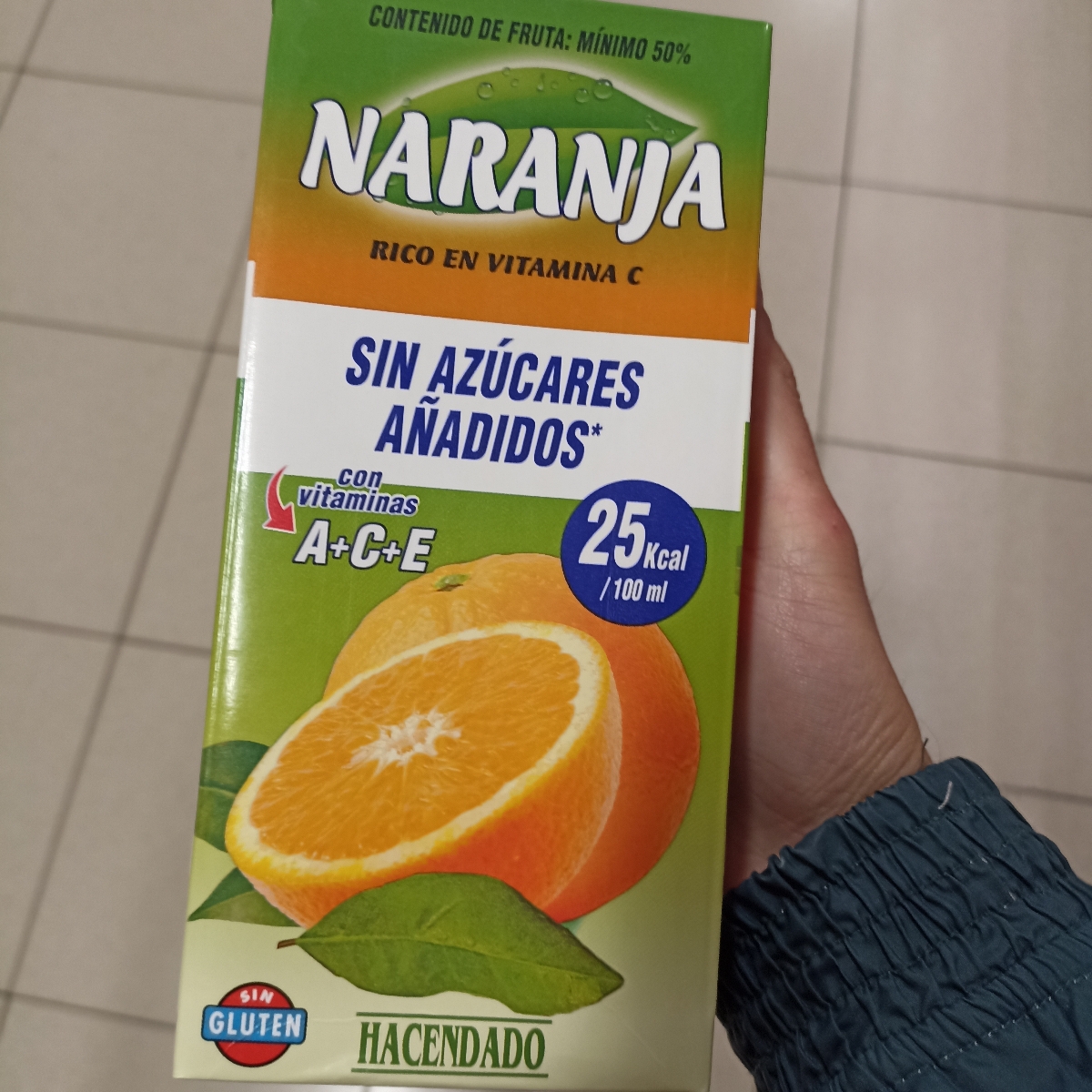
That tall, cold glass of zumo de naranja sitting on your breakfast table is a bit of a liar. It looks innocent. It’s bright, it’s refreshing, and it’s basically synonymous with "health" in our collective consciousness. But honestly? The relationship between humans and orange juice is way more complicated than the marketing teams at Tropicana or Minute Maid want you to believe.
We’ve been told for decades that it’s the gold standard for Vitamin C. That’s true, mostly. However, if you're slamming a 12-ounce glass every morning thinking you're a health god, you might be missing some pretty massive red flags regarding blood sugar and fiber loss.
The Sugar Trap Nobody Talks About
When you eat a whole orange, you're getting a complex package of nutrients. You've got the juice, sure, but it’s wrapped in fibrous membranes and pith. Your body has to work for it. It takes time to chew and digest, which means the sugar—fructose—hits your bloodstream like a slow, steady trickle.
Liquid zumo de naranja is a different beast entirely.
When you juice an orange, you're essentially stripping away the scaffolding. You’re left with a concentrated hit of sugar. To fill one standard glass, you usually need about three or four oranges. Think about that. Would you sit down and eat four oranges in three minutes? Probably not. You’d be full by the second one. But you can drink the equivalent sugar of four oranges in sixty seconds without even blinking.
Dr. Robert Lustig, a prominent pediatric endocrinologist at UCSF, has spent years shouting into the void about this. He argues that without the fiber to "buffer" the sugar, your liver gets slammed. This can trigger an insulin spike that leaves you feeling hungry again by 10:00 AM. It’s a metabolic roller coaster that starts before you’ve even finished your toast.
Is Vitamin C Really the Hero?
Everyone talks about Vitamin C. It’s the celebrity of the supplement world. And yeah, zumo de naranja is packed with it. One glass can easily give you over 100% of your daily recommended intake.
But here is the thing: Vitamin C is volatile.
It hates heat and it hates light. If you’re buying "not from concentrate" juice that has been sitting in a clear plastic bottle under grocery store fluorescent lights for two weeks, that Vitamin C content isn’t what it was on day one. Even worse is the "de-oxygenation" process. Big juice brands often strip the oxygen out of the juice so it can be stored in massive tanks for up to a year. This keeps it from spoiling, but it also strips the flavor. That’s why brands add "flavor packs"—chemically engineered essences—to make the juice taste like oranges again.
If you want the real benefits, you’ve gotta go fresh. Squeezing it yourself at home isn't just a fancy brunch ritual; it's the only way to ensure you're getting the volatile antioxidants like hesperidin. Hesperidin is a flavonoid found in citrus that has been linked to improved blood vessel function and reduced inflammation. You lose a huge chunk of this when juice is mass-processed and filtered to be "pulp-free."
Why the Pulp Matters (A Lot)
If you hate pulp, I’m sorry. You’re throwing away the best part.
The pulp contains the remnants of the cellular walls of the fruit. Even the tiny bit of fiber left in "high pulp" juice helps slow down the absorption of fructose. It’s not a perfect fix, but it’s better than the watery, sugary alternative.
The Acidity Dilemma
Your dentist probably hates zumo de naranja. Or maybe they love it because it keeps them in business.
Oranges are naturally acidic, hovering around a 3.5 on the pH scale. When you sip juice throughout the morning, you’re essentially bathing your tooth enamel in an acid bath. This softens the enamel, making it prone to erosion.
The pro tip here? Don't brush your teeth immediately after drinking it. It sounds counterintuitive, but because the acid has softened the enamel, brushing right away can actually scrub the enamel off. Wait at least 30 minutes for your saliva to neutralize the pH in your mouth. Or just use a straw. It’s less "sophisticated," but it saves your molars.
Real-World Impact: What the Studies Say
A major study published in The BMJ (British Medical Journal) followed over 180,000 people and found that while eating whole fruit reduced the risk of Type 2 diabetes, drinking fruit juice actually increased it. This isn't just some fringe theory. The data is pretty consistent.
Another study from the American Journal of Clinical Nutrition pointed out that liquid calories don't trigger the same "fullness" signals in the brain as solid food. This leads to overconsumption. If you drink 150 calories of zumo de naranja, your brain doesn't tell you to eat 150 fewer calories of eggs and bacon. It just stacks them on top.
How to Actually Drink It (The Right Way)
Look, I’m not saying you need to banish juice from your life forever. That’s extreme and, frankly, boring. But we should stop treating it like a mandatory health tonic and start treating it like what it actually is: a liquid treat.
- Dilute it. Try a 50/50 split with sparkling water. You get the flavor and the bubbles without the massive sugar crash. It’s basically a non-alcoholic mimosa.
- Keep the pulp. If it looks like a science experiment with bits floating in it, you're doing it right.
- Size matters. A 4-ounce serving is plenty. The massive 16-ounce "small" at some cafes is enough sugar to fuel a marathon runner, and most of us are just sitting at a desk.
- Pair it with fat or protein. Drinking juice on an empty stomach is an insulin disaster. If you have it alongside some Greek yogurt or avocado toast, the healthy fats and proteins will help slow down that sugar spike.
The Myth of the "Cold Cure"
Let’s kill this one once and for all. Zumo de naranja will not cure your cold.
A massive Cochrane review of studies involving over 11,000 people showed that for the average person, Vitamin C doesn't prevent colds. It might slightly—and I mean slightly—shorten the duration if you take it regularly, but chugging a gallon of juice once you already feel a tickle in your throat is basically useless. It’s placebo at best and a stomach ache at worst.
Better Alternatives for Your Morning
If you’re looking for that bright, citrusy wake-up call without the baggage, there are better ways to get it.
- Lemon Water: You get the acidity and a hit of Vitamin C with almost zero sugar.
- Whole Oranges: Just eat the fruit. It’s cheaper, more filling, and better for your gut.
- Green Tea with Lemon: You get antioxidants, a gentle caffeine lift, and the citrus flavor you crave.
The reality of zumo de naranja is that it’s a victim of its own success. We took a seasonal, labor-intensive treat and turned it into an industrial, year-round commodity. In that transition, we lost the fiber and gained a lot of metabolic baggage.
Enjoy your juice. Just don't let the marketing convince you that it’s a "superfood." It’s a delicious, sugary, acidic beverage that belongs in a small glass, preferably consumed alongside a meal that has enough fiber to handle it.
Actionable Next Steps
If you want to keep zumo de naranja in your diet without the negative health impacts, start by switching to a high-pulp, organic version or, better yet, squeeze your own using a simple manual juicer. Limit your intake to 125ml (about 4 ounces) and never drink it on an empty stomach. If you're concerned about dental health, rinse your mouth with plain water immediately after drinking and wait 30 minutes before brushing to protect your enamel. For those managing blood sugar, consider replacing the juice with a whole navel or blood orange three days a week to reintroduce essential dietary fiber into your morning routine.