Brisbane is weirdly obsessed with its "river city" identity, but honestly, if you're looking for world-class zoos in Brisbane Australia, you’re mostly going to be looking at the outskirts. People arrive at BNE expecting a massive safari park right next to the Queen Street Mall. That doesn’t exist. Instead, what we have is a collection of very specific, high-quality conservation hubs scattered across the South East Queensland corner.
You’ve got choices. Big ones.
Whether you want to cuddle a koala—which is still legal in Queensland, unlike in New South Wales or Victoria—or you want to see a saltwater crocodile launch its entire body weight out of the water, you have to know where to drive. Brisbane is a jumping-off point. It's a base camp for some of the most significant wildlife research on the planet.
Lone Pine is the Classic for a Reason
Most people start at Lone Pine Koala Sanctuary. It’s the oldest and largest koala sanctuary in the world, founded way back in 1927. It's located in Fig Tree Pocket, which is about a 20-minute drive from the CBD, or a very slow, very scenic boat ride up the river.
If you go, don’t just stand in the photo line.
Seriously.
The real magic of Lone Pine is the kangaroo paddock. It’s a massive, open five-acre space where about 130 kangaroos and wallabies just... hang out. You buy a bag of kangaroo pellets for a couple of bucks, and you can literally sit on the grass while a red kangaroo grazes next to you. It’s surreal. It feels like you’ve stumbled into a suburban backyard that just happens to be filled with marsupials.
But there’s a catch. Lone Pine isn’t a "zoo" in the traditional, lions-and-tigers sense. If you go there expecting giraffes, you’re going to be disappointed. It is strictly Australian. You get Tasmanian devils, wombats, dingoes, and a very grumpy-looking platypus. The platypus house is actually one of the best in the country because they’ve managed to crack the code on breeding them in captivity, which is notoriously difficult.
The Logistics of the Koala Cuddle
Let’s talk about the koala photos. It’s the big draw for zoos in Brisbane Australia. Queensland remains one of the few places where "holding" is permitted under strict ethical guidelines. At Lone Pine, they rotate the koalas frequently—each one only "works" for a maximum of 30 minutes a day. Sometimes, if the koala isn't feeling it, they just cancel the session. I actually respect that. It’s better for the animal, even if it bums out a few tourists. If you want the photo, book it the second you walk through the gates. They sell out by 10:00 AM on weekends.
The Steve Irwin Legacy at Australia Zoo
You cannot talk about wildlife in this region without mentioning Australia Zoo. Now, technically, it’s in Beerwah, which is about an hour north of Brisbane. Is it worth the drive? Yes. Always.
It’s 1,000 acres. Huge.
It’s essentially the House that Steve Built. The Irwin family (Terri, Bindi, and Robert) are still incredibly active there. It’s not uncommon to see Robert Irwin wandering around with a camera or a lizard. The vibe is different from Lone Pine; it’s high-energy, educational, and unashamedly "Aussie."
The Crocoseum is the centerpiece. At noon every day, they do a show that is actually a masterclass in animal behavior. They don't use "tricks." They use food to demonstrate how a crocodile hunts in the wild. Watching a 15-foot croc "death roll" a piece of meat three meters from your seat is a visceral reminder that these things are literal dinosaurs.
More Than Just Crocs
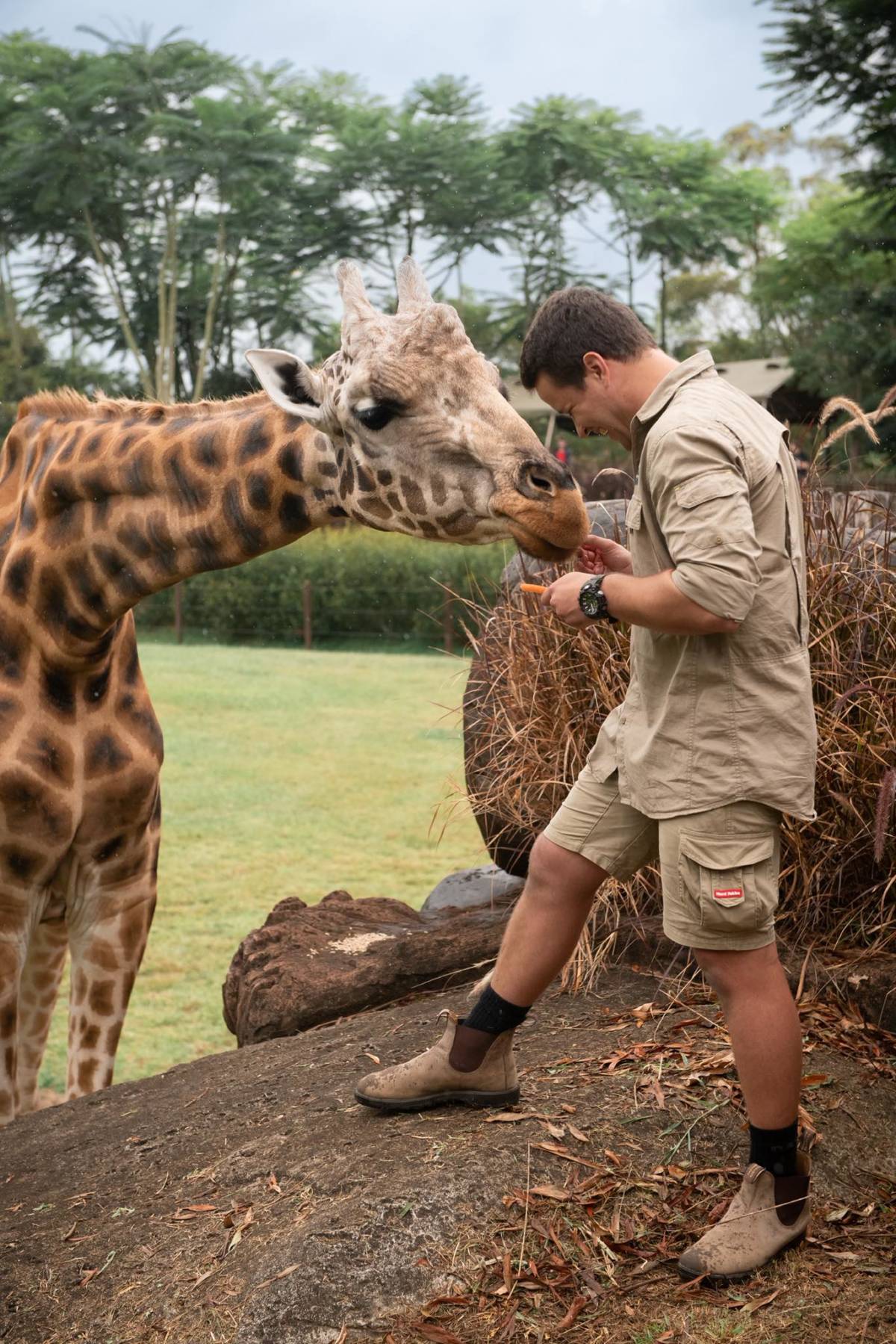
While the big reptiles get the headlines, the Africa section is actually the sleeper hit. They have a massive savannah where giraffes, zebras, and rhinos roam together. It’s one of the few places in Australia where the enclosures feel truly expansive.
Also, check out the Wildlife Hospital. It’s located just outside the main zoo entrance. It is one of the busiest trauma hospitals for animals in the world. You can pay a small donation to take a peek through the glass at the vets performing surgery on wild koalas hit by cars or turtles that swallowed fishing line. It’s sobering, but it’s the most "real" part of the experience.
Daisy Hill: The "Local" Secret
If you're on a budget and looking for zoos in Brisbane Australia that won't cost you $60 for an entry ticket, go to Daisy Hill Koala Centre.
It’s free.
It’s run by the Department of Environment and Science. It’s located south of the city in the Daisy Hill Conservation Park. You won’t see a hundred animals here. You’ll see maybe three or four koalas in a large outdoor enclosure, plus an interactive education center.
The real draw here isn't the enclosure—it's the surrounding park. If you walk the trails at dawn or dusk, you’ll likely see wild red-necked wallabies and maybe even a wild koala in the gum trees. It’s a great spot for a BBQ and a bushwalk. Just watch out for the mountain bikers; they own these trails.
What Most People Get Wrong About Tropical Parks
There’s a common misconception that you need to go to North Queensland to see the "scary" stuff. Not true. The Wildlife Queensland Flora and Fauna exhibitions often pop up around the city, and places like Walkabout Creek Discovery Centre (at the edge of Enoggera Reservoir) offer a look at the freshwater species of the Southeast.
Walkabout Creek is underrated. It’s where they filmed parts of Crocodile Dundee, though you wouldn't know it now. It’s a quiet, leafy spot focused on the D'Aguilar National Park ecosystems. If you have kids who get overwhelmed by the crowds at Australia Zoo, this is the antidote. You get to see lungfish—which are evolutionary "living fossils"—and turtles without the gift-shop frenzy.
The Ethics of Modern Zoos
We have to talk about the "zoo" label. In 2026, the conversation has shifted. Most of these facilities in Brisbane are now registered charities or heavy contributors to the Zoo and Aquarium Association (ZAA) conservation programs. They focus on "Species Survival Plans." When you visit, your ticket price is basically subsidizing the release of captive-bred numbats or the treatment of chlamydia in wild koala populations.
If a place looks "old school" or the cages feel small, ask the keepers about their enrichment programs. Modern Brisbane facilities are pretty transparent about this.
Planning Your Wildlife Circuit
Don't try to do more than one of these in a day. You'll fry yourself in the Queensland sun.
If you're staying in the CBD and don't have a car, Lone Pine is your best bet via the 445 bus or the Mirimar boat cruise. If you have a rental car and a full day, make the trek to Australia Zoo.
Pro Tip: If you're heading to Australia Zoo, stop at the Glass House Mountains lookout on the way. It gives you a perspective of the landscape these animals come from. The volcanic plugs sticking out of the pine plantations look like something out of Jurassic Park.
Best Times to Visit
- Winter (June to August): This is the sweet spot. It's 22°C (71°F), sunny, and the animals are active.
- Summer (December to February): It's brutal. The humidity in Brisbane is no joke. The animals will be hiding in the shade, and you’ll be doing the same. If you must go in summer, get there the minute they open.
- Feeding Times: Always check the schedule. A sleeping wombat looks like a rock. A wombat being fed a carrot is a high-speed tank of cuteness.
Actionable Steps for Your Visit
- Download the Apps: Both Lone Pine and Australia Zoo have apps with real-time maps and show reminders. Use them to navigate the feed times so you don't miss the raptor shows.
- Pack the Essentials: Zinc sunblock, a wide-brimmed hat, and a refillable water bottle. Most parks have filtered water stations. Do not rely on buying bottled water; it's expensive and the parks are trying to phase out single-use plastics.
- Transport Strategy: For Australia Zoo, check the "Greyhound" or "JPT" shuttle buses that pick up from Brisbane hotels. It saves you the stress of driving the Bruce Highway, which is notorious for traffic jams.
- Support the Hospitals: If you visit a park with an associated wildlife hospital, buy something from their specific gift shop. Those funds usually go directly to medicine and surgery rather than general park maintenance.
- Look Up: In Brisbane, wildlife isn't just in the zoos. Look into the trees in the City Botanical Gardens at night to see massive Fruit Bats (Flying Foxes) heading out to feed, or look for Brush Turkeys—the unofficial, slightly annoying mascots of the city—strutting around any suburban park.
Staying in the city doesn't mean you're disconnected from the bush. It just means you have to know which direction to point the car. Start with Lone Pine for the intimacy, then hit Australia Zoo for the spectacle. You'll leave with a much better understanding of why Australians are so protective of their "weird" backyard residents.