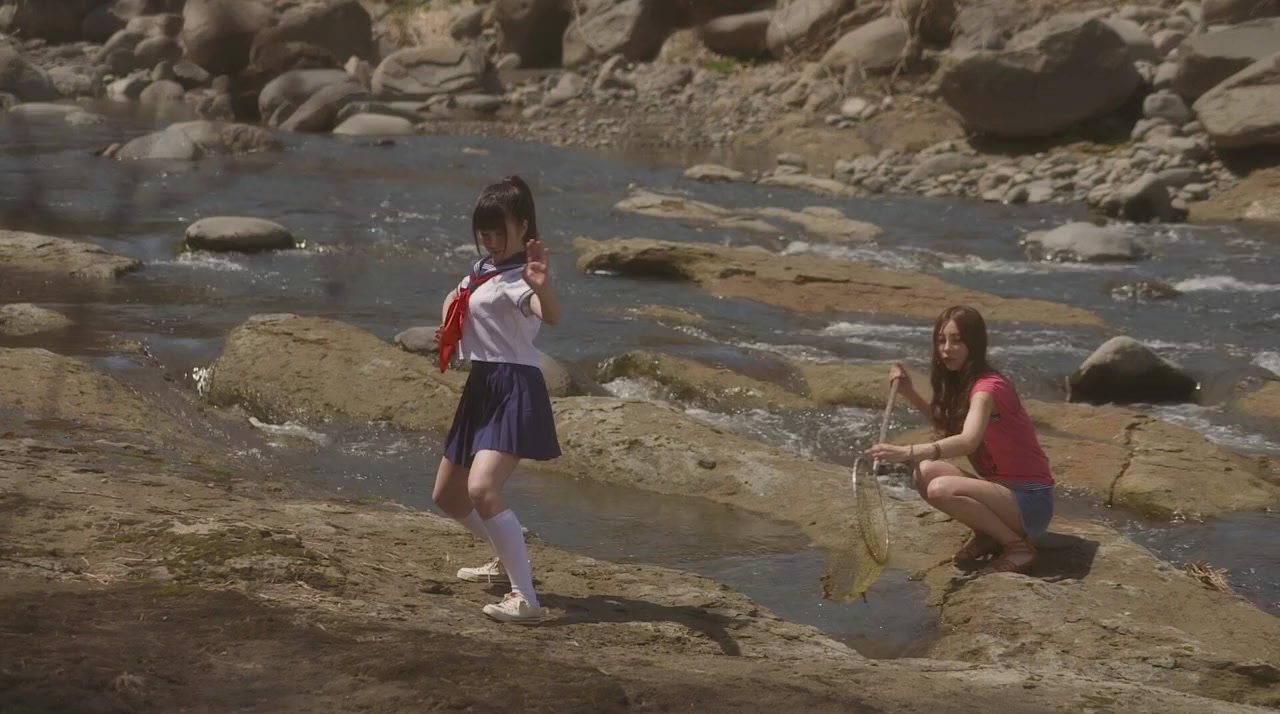
Low-budget horror is a strange beast. Sometimes it’s scary, sure, but often it’s just plain weird. If you’ve spent any time digging through the bargain bins of cult cinema or scrolling through the deeper layers of streaming services like Shudder or Tubi, you’ve probably seen the name. Zombie Ass: Toilet of the Dead is exactly what it sounds like. It’s gross. It’s loud. It’s unapologetically ridiculous.
But here’s the thing. It isn't just some random fluke of bad taste. It’s actually part of a very specific, very dedicated tradition in Japanese "splatter" cinema. This movie, directed by Noboru Iguchi, follows a lineage of over-the-top practical effects and body horror that makes Western slashers look tame by comparison. Honestly, if you're looking for logic, you’re in the wrong place. You’re here for the madness. For an alternative view, read: this related article.
What Zombie Ass: Toilet of the Dead Actually Is
Released in 2011, this film is the brainchild of Noboru Iguchi. If that name rings a bell, it’s because he’s the same guy who gave us The Machine Girl and RoboGeisha. He has a "style." It’s a style built on high-energy absurdity and a total lack of a filter. The plot? It’s basically about a group of friends who go on a trip to the woods. Standard horror setup. But then things take a turn toward the intestinal.
One of the characters, obsessed with her weight, eats a parasite. This isn't just any worm, though. It’s an alien parasite that lives in the digestive tract. Soon enough, they’re being hunted by zombies that emerge from an outhouse. Yes, the title is literal. The zombies are covered in... well, you can guess. And they use flatulence as a weapon. It sounds like a joke, and it is, but it’s played with such frantic energy that you can’t help but be impressed by the commitment to the bit. Further analysis on this matter has been published by Variety.
The Cultural Context of Japanese Splatter
You might wonder why anyone would make this. To understand Zombie Ass: Toilet of the Dead, you have to look at the Japanese "V-Cinema" market and the rise of extreme gore in the 2000s. Companies like Sushi Typhoon were instrumental here. They realized there was a global audience for "splatstick"—a mix of splatter horror and slapstick comedy.
Think about Sam Raimi’s Evil Dead II. Now, imagine if Raimi grew up on a diet of kaiju movies and extreme anime. That’s the vibe. These films aren't trying to be The Exorcist. They are live-action cartoons. They use practical effects—lots of rubber, lots of red-dyed corn syrup, and a whole lot of prosthetic pumps—to create visuals that are physically impossible. It’s a rejection of the "polite" society found in mainstream Japanese media. It’s messy. It’s punk rock. It’s meant to make you yell at the screen.
The Iguchi Touch
Noboru Iguchi is a fascinating figure in this niche. He started in the adult film industry before transitioning to these cult horror films. This background explains the obsession with body mechanics and the frequent "toilet humor" that permeates his work. He isn't trying to be sophisticated. He’s trying to provoke a visceral reaction.
In The Machine Girl, he turned a girl's severed arm into a Gatling gun. In Zombie Ass: Toilet of the Dead, he takes that same "body as a weapon" philosophy and applies it to the lower gastrointestinal tract. It’s puerile, absolutely. But there is a genuine craft in how he choreographs these scenes. The timing has to be perfect for the gag to land. If the "fart-powered" flying scenes aren't timed just right, the movie just becomes boringly gross instead of hilariously gross.
Why People Actually Watch This Stuff
It’s easy to dismiss this as "trash" cinema. Many critics did. But if you look at the reviews on sites like Letterboxd or specialized horror forums, you’ll see a different story. Fans of the genre appreciate the creativity. When you have no budget, you have to get creative.
- Practical Effects: In an era of cheap, floaty CGI, there is something satisfying about seeing real, physical goo hitting an actor in the face.
- The "WTF" Factor: There is a communal joy in watching a movie where you truly don't know what could possibly happen next.
- Satire: Believe it or not, there’s a bit of satire here. The film pokes fun at the Japanese obsession with "kawaii" culture and the pressures of beauty standards. The character who starts the whole mess does so because she wants to be thin. It’s a literalization of "you are what you eat."
Most people won't like this movie. That’s fine. It wasn't made for most people. It was made for the midnight movie crowd. The people who want to stay up until 2:00 AM and see something they’ve never seen before. It succeeds at that. You will never forget the first time you see a zombie propelled through the air by its own flatulence.
The Legacy of the "Toilet of the Dead"
While it hasn't won any Oscars, Zombie Ass: Toilet of the Dead remains a staple of "worst movie" or "weirdest movie" lists. It’s a gateway drug into the world of Japanese cult cinema. Once you’ve seen this, you start looking into the works of Yoshihiro Nishimura (Tokyo Gore Police) or Teruo Ishii.
It represents a time when physical media was still king, and a wild cover art at a video store could convince you to spend five dollars on a Saturday night. Today, it lives on through digital archives and the occasional cult screening. It’s a reminder that film doesn't always have to be "important" or "prestigious." Sometimes, it can just be a group of people in a field with a bucket of fake poop and a dream.
How to Approach This Genre
If you’re genuinely curious about diving into this world, don't start and end with this film. It’s an extreme example.
Start with The Machine Girl. It’s more of an action movie and a bit more "accessible," if you can use that word for a movie about a girl with a chainsaw arm. Then, move on to Tokyo Gore Police. That one is a masterpiece of production design, even if it is incredibly bloody. By the time you get back to Zombie Ass: Toilet of the Dead, you’ll have the context to understand the visual language Iguchi is using.
You also have to check your ego at the door. You can't watch this and be "above" it. You have to meet it on its own terms. It’s a movie that wants to be gross. If you’re grossed out, it won. If you laugh, it won. If you turn it off in disgust, it probably won then, too.
What to Do Next
If this specific brand of madness sounds like something you can handle, there are a few ways to explore further.
First, check out the "Sushi Typhoon" label. They produced a string of these movies that all share a similar DNA. You can often find these on specialized horror streaming platforms or through boutique Blu-ray labels like Arrow Video or Synapse Films. These companies do incredible work restoring these low-budget gems, often including interviews with the directors that explain the "how" and "why" behind the madness.
Second, look into the history of Japanese "Guretesuku" (Grotesque). This is a long-standing tradition in Japanese art and literature that finds beauty and humor in the distorted and the macabre. Understanding that this isn't just a modern "shock" tactic but part of a larger cultural history makes the experience much richer.
Finally, just watch it with friends. This is not a "solo viewing" experience. It needs an audience. It needs people to groan, laugh, and yell "no way!" at the screen. That’s the real way to experience the toilet of the dead.