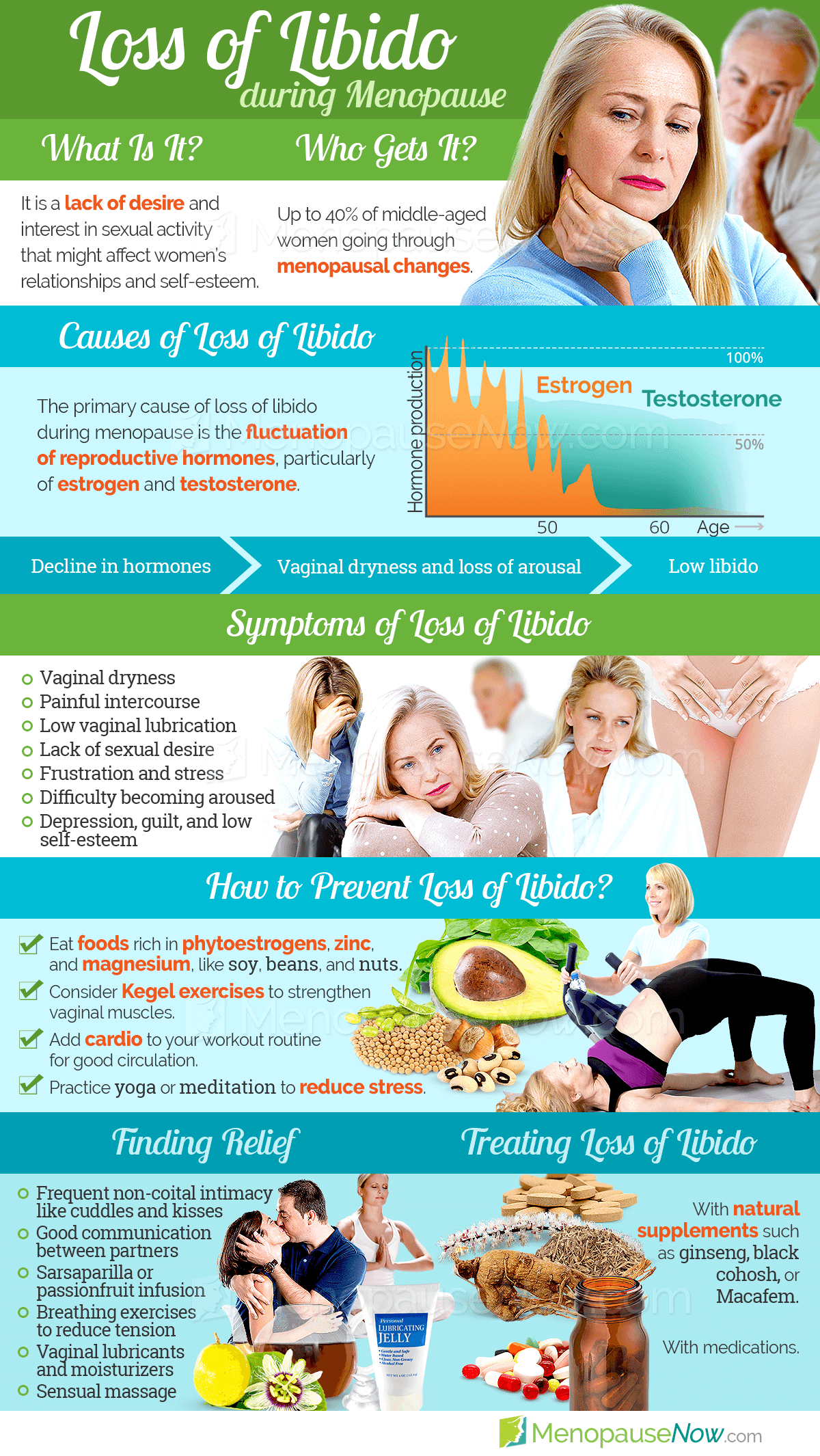
It starts as a quiet trade-off. You finally feel less anxious. The crushing weight of depression begins to lift, and for the first time in months, you can actually breathe. But then, you notice something is missing. It isn't just that you’re "not in the mood." It’s that the very idea of physical intimacy feels like trying to start a car with a dead battery. Zoloft loss of libido is one of the most frustrating, yet incredibly common, side effects of sertraline.
Honestly, it’s a bit of a medical paradox.
You take the medication to feel better about your life, but then a huge part of your human experience—your sexuality—just goes dormant. It’s a specialized kind of frustration. You aren't "broken," and you definitely aren't alone. Data suggests that while clinical trials originally pegged sexual dysfunction at around 15%, real-world experience and post-marketing studies, like those published in the Journal of Clinical Psychopharmacology, show it might actually affect up to 60% or 70% of users.
That’s a massive gap.
The Biology of Why Sertraline Hits the Brakes
Why does this happen? Well, Zoloft is an SSRI (Selective Serotonin Reuptake Inhibitor). Its primary job is to keep more serotonin floating around in the synapses of your brain. Serotonin is great for mood stability and feeling "safe." However, serotonin has a bit of an antagonistic relationship with dopamine.
Dopamine is the "go-getter" chemical. It’s what drives desire, excitement, and reward. When Zoloft pushes your serotonin levels up, it can inadvertently dampen dopamine signaling. Think of it like a seesaw. One goes up, the other often goes down. Because dopamine is essential for the "desire" phase of the sexual response cycle, you end up feeling... well, neutral.
Then there’s the physical side. Sertraline can also impact nitric oxide signaling. Nitric oxide is what helps blood flow to the places it needs to go when you’re aroused. If that signal is muffled, things just don't work the way they used to.
It's not just "in your head." It is a physiological chain reaction.
It Isn't Always About Desire
Sometimes the problem isn't the "wanting." Sometimes the Zoloft loss of libido manifests more as "anorgasmia" or delayed ejaculation. You might feel totally attracted to your partner, but the finish line has been moved ten miles down the road. This can lead to a secondary psychological issue: performance anxiety.
If you know it's going to be a struggle, you start to avoid it.
Pretty soon, you're not just dealing with a side effect of a pill; you're dealing with a strain on your relationship. It’s a snowball effect. You feel guilty, your partner feels rejected, and the bedroom becomes a place of stress rather than connection.
The "Wait and See" Strategy (And Why It Rarely Works)
Often, when you first bring this up to a GP, they'll tell you to wait a few months. They hope your body will "adjust" to the sertraline. While some side effects like nausea or jitteriness usually fade in two weeks, sexual dysfunction tends to be "persistent."
If you’ve been on Zoloft for three months and your sex drive is still non-existent, it’s probably not going to magically return without a change in strategy. Waiting forever isn't a plan. It’s just a delay.
Real Talk: Let’s Look at the Solutions
You have options. You don't have to choose between being miserable/depressed or being asexual.
The Wellbutrin "Add-On" One of the most common clinical "hacks" is adding a low dose of bupropion (Wellbutrin). Bupropion works differently; it focuses on norepinephrine and dopamine. By adding it to your Zoloft regimen, many people find it acts as an "antidote" to the SSRI-induced libido crash. It’s like putting the dopamine back into the seesaw.
The Dose Adjustment Sometimes, a slight reduction in dosage can make a world of difference. If you are on 100mg, your doctor might see if you can maintain your mood at 75mg or 50mg. There is often a "threshold" where the therapeutic benefits remain, but the side effects become manageable. Don't do this yourself, though. Cutting pills without a schedule is a fast track to withdrawal "brain zaps."
The "Drug Holiday" (Use With Caution) Some clinicians suggest a "weekend holiday," where you skip your dose on Friday and Saturday to regain function for the weekend. This is controversial. Zoloft has a relatively long half-life, so skipping a day might not even work for everyone, and for others, it can trigger a dip in mood or irritability.
Switching Classes Entirely If Zoloft is the culprit, maybe the SSRI class isn't for you. Medications like Viibryd (vilazodone) or Trintellix (vortioxetine) are designed to be more "serotonin-specific" in a way that often spares sexual function compared to the older guard of drugs like Zoloft or Prozac.
Communication is the Hardest Part
You’ve got to talk to your partner.
If you don't, they will assume the lack of intimacy is about them. They'll think they aren't attractive enough or that you're losing interest. You have to be explicit: "The medicine is helping my brain, but it’s hitting the 'mute' button on my body."
Make it a "we" problem, not a "you" problem.
Actionable Next Steps to Take Today
If you're currently struggling with Zoloft loss of libido, don't just sit in silence. Here is exactly how to handle it:
- Track the timing. For one week, note if there’s any time of day when you feel "more" like yourself. Some people find that trying for intimacy right before they take their daily dose (when blood levels are at their lowest) works better.
- Schedule the "Talk" with your doctor. Don't wait for them to ask. Use the specific phrase: "The medication is helping my mood, but the sexual side effects are becoming a barrier to my quality of life. I want to discuss an adjunct like Bupropion or a dose adjustment."
- Focus on "Outerspace." If the "end goal" is frustrating, change the goal. Focus on physical touch, massage, and connection without the pressure of a "climax." Removing the performance pressure can sometimes lower the neurological barrier.
- Check your labs. Sometimes we blame the Zoloft, but we also have low Vitamin D, low Zinc, or low Testosterone/Estrogen. Ask for a full metabolic panel to make sure the Zoloft isn't just exacerbating an underlying deficiency.
- Prioritize Sleep. It sounds boring, but sleep deprivation kills dopamine. If Zoloft is making you slightly insomniac, that is going to double-down on your libido issues.
You deserve a life that feels good in every sense. Depression is a thief, but sometimes the treatment can feel like it’s stealing something too. Acknowledge it, name it, and work with a professional to tweak the chemistry. You have more control over this than you think.