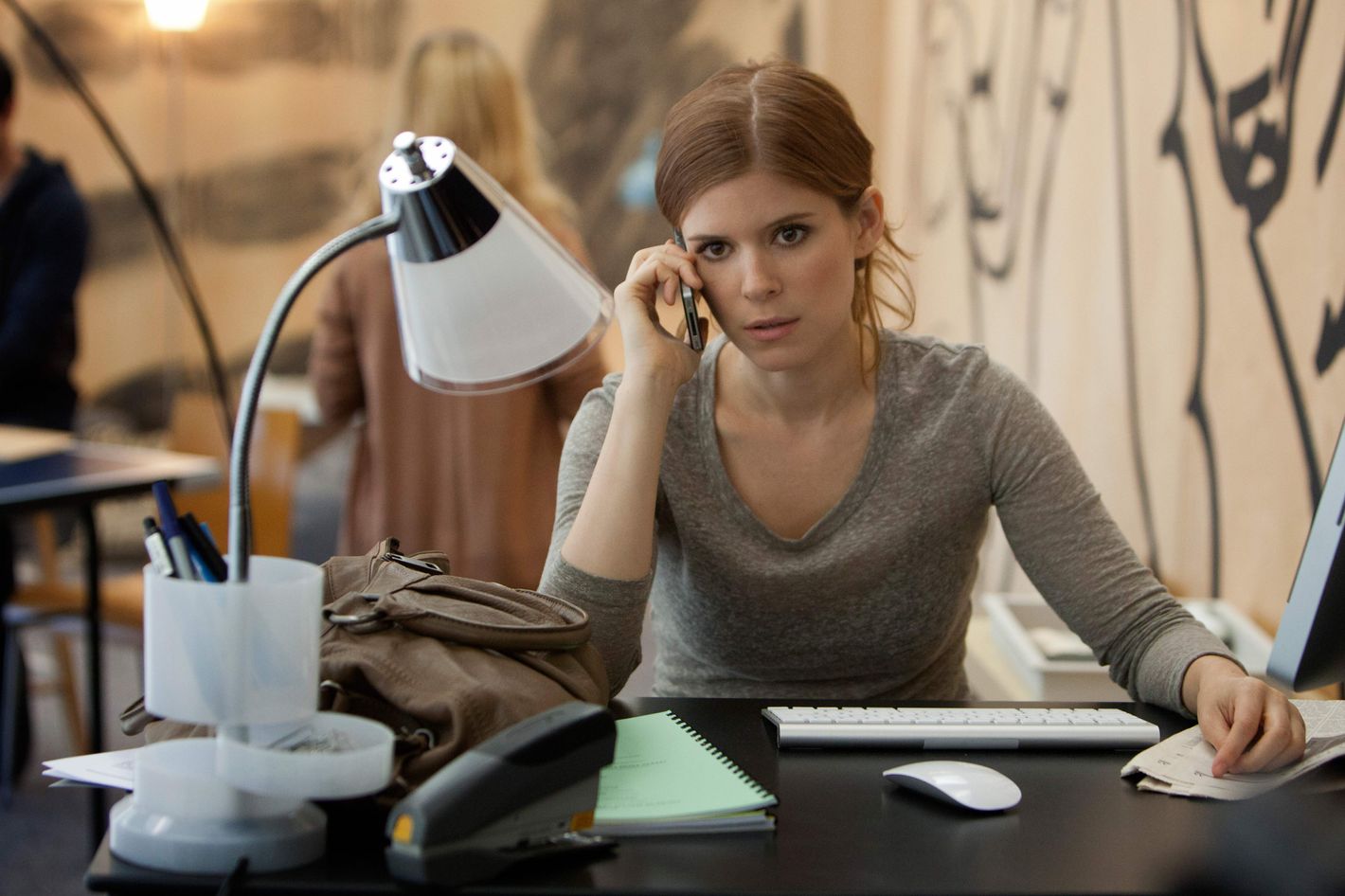
Ambition is a hell of a drug. In the first season of House of Cards, Zoe Barnes wasn't just a character; she was a lightning rod. She was young, hungry, and—frankly—willing to do things that made veteran journalists throw their remotes at the wall.
Remember that first meeting? She shows up at Frank Underwood’s door after dark. She’s got a cell phone photo of him looking at her dress and a pitch that’s as cold as a D.C. winter: "I can be your mouthpiece. You give me the scoops, I give you the headlines." It was the start of a toxic, transactional relationship that redefined the political thriller.
The Zoe Barnes Effect: Why We Couldn't Look Away
Zoe Barnes, played with a sort of frantic, brittle energy by Kate Mara, represented the "new media" of the early 2010s. She was the Twitter-savvy, blog-first reporter at the Washington Herald who felt the old guard was moving too slow. Honestly, she wasn't wrong about the industry. The Herald was dying. Her boss, Tom Hammerschmidt, was a dinosaur who valued "the process" over the clicks. Zoe wanted the clicks.
But here’s the thing people often get wrong: Zoe wasn't just a victim of Frank Underwood. She was his mirror. While Frank was manipulating the halls of Congress, Zoe was manipulating the media cycle.
They used each other.
Frank needed a way to leak the "far-left" education bill draft to tank Donald Blythe’s reputation. Zoe needed a front-page story to prove she was more than just a lifestyle reporter. It worked. But the cost was her soul, or at least her professional ethics. She started sleeping with her source. That’s the part that drew the most fire from real-life journalists.
That Subway Scene (You Know the One)
We have to talk about the train.
If you watched the Season 2 premiere when it dropped, you probably still have the mental scars. It was a "Where were you?" moment in television history. Zoe had spent the hiatus between seasons actually becoming a good reporter. She was digging. She was asking about Peter Russo’s "suicide." She was getting too close to the truth.
Then came the Cathedral Heights Metro station.
Frank is wearing a trench coat and a fedora—classic "I'm about to murder someone" attire. Zoe meets him behind a construction barrier. She asks one too many questions.
"I need to know that I wasn't a part of someone's... murder."
That was her last line.
Frank didn't hesitate. He didn't give a monologue. He just shoved her. One second she’s there, the next she’s under a moving train. It was brutal. It was sudden. It was the moment House of Cards told the audience that nobody—not even the female lead—was safe.
The Ethics of Zoe: Was She a "Good" Journalist?
Beau Willimon, the show's creator, once said that ambition is gender-blind. He argued that Zoe wasn't meant to be a hero. She was meant to be a person who chose the most efficient path to power.
Some critics called the character sexist. They argued that portraying a young woman "sleeping her way to the top" was a tired trope. And they have a point. But Kate Mara played Zoe with a specific kind of detachment. She didn't seem to love Frank; she seemed to be studying him.
She was a predator-in-training who met a bigger predator.
- Fact: Zoe moved from the Herald to Slugline, a digital-first site that prioritized speed.
- The Nuance: This move symbolized the shift from prestige journalism to the "attention economy."
- The Reality: In the real D.C., a reporter sleeping with a Congressman wouldn't just be a scandal; it would be career suicide. But in the world of the Underwoods, it was just Tuesday.
Why Zoe's Death Still Echoes
After Zoe died, the show changed. It became less about the "game" of journalism and more about the absolute corruption of the Executive Branch. But Zoe’s ghost hung over the series for years. Lucas Goodwin, her colleague and occasional lover, went on a tragic, downward spiral trying to prove she was murdered.
Her death was the catalyst for every secret Frank had to bury later.
If Zoe hadn't been so ambitious—if she had just stayed at the Herald and covered the school board—she’d probably be alive. But she wouldn't have been Zoe Barnes. She wanted to be in the room where it happens. She got in the room, and she realized too late that the door was locked from the outside.
Actionable Insights for Fans and Writers
If you're re-watching the show or studying character arcs, look at how Zoe's wardrobe changes. She starts in messy hoodies and ends in sharp, professional blazers. Her look evolves as she realizes that "looking the part" is just another tool of manipulation.
For writers, Zoe is a masterclass in the "Tragic Flaw." Her flaw wasn't her lack of ethics; it was her belief that she was as smart as the people she was covering. She underestimated the gap between a hungry reporter and a man willing to kill to stay in power.
Next time you’re at a train station, maybe stand a little further back from the yellow line. Just in case.
Check out the original BBC version of House of Cards to see how Mattie Storin—the UK version of Zoe—handled the same arc. It's a fascinating comparison of 90s British cynicism versus 2010s American grit.