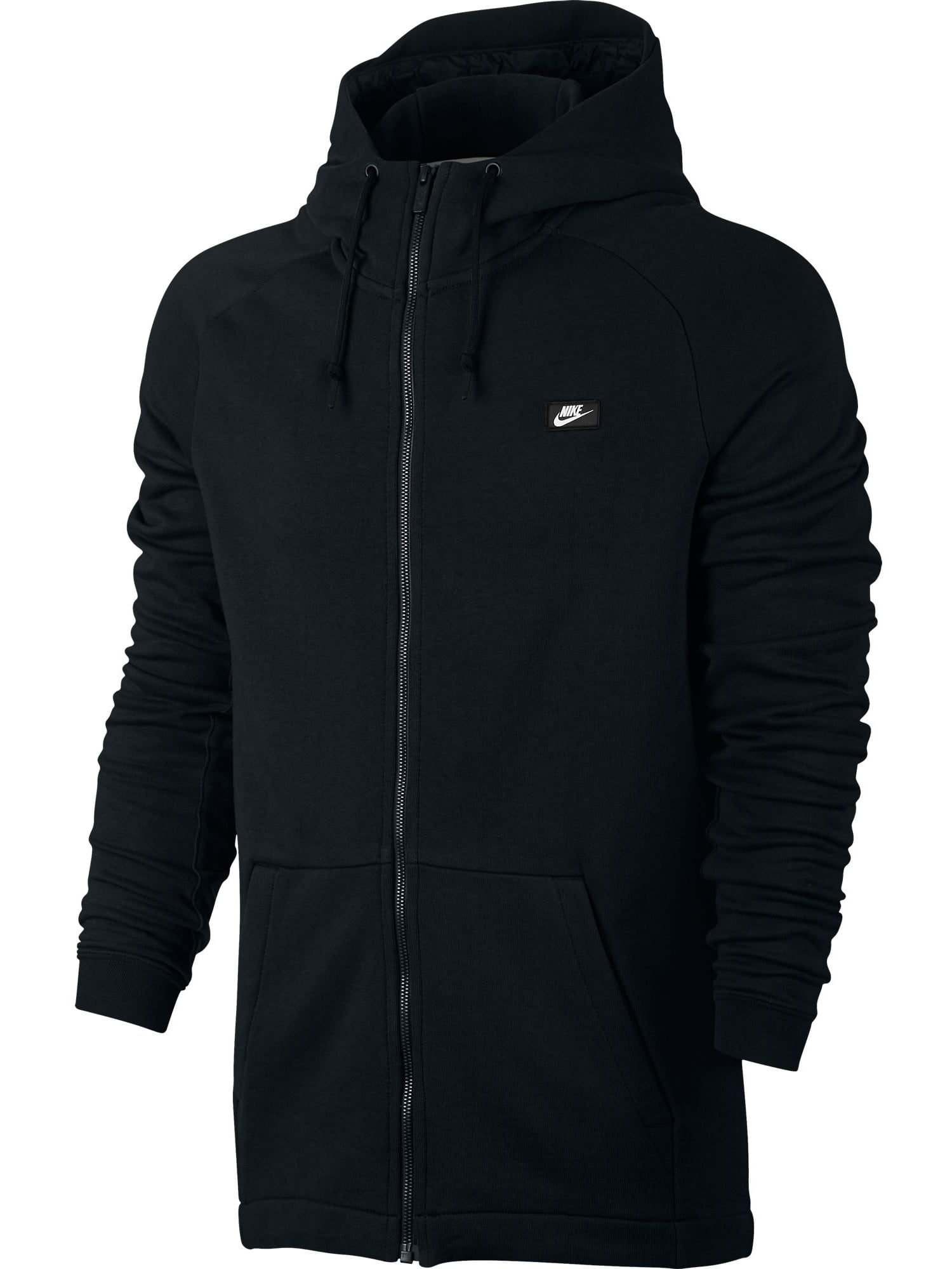
You probably have one draped over the back of your office chair or crumpled in a gym bag right now. The zip hoodie for men is basically the Swiss Army knife of a modern wardrobe, but honestly, most of them are garbage. We’ve all been there—you buy a cheap one, wash it twice, and suddenly the zipper is waving like a snake and the hem has shrunk so much it looks like a midriff top. It’s frustrating because a good hoodie should last a decade.
The reality is that "athleisure" ruined the quality of basic mid-layers. Brands started prioritizing "soft touch" synthetic blends that feel great in the store but pill and lose shape faster than a New Year’s resolution. If you want something that actually holds up, you have to look past the marketing fluff. Learn more on a related subject: this related article.
The Weight Trap: Why GSM Actually Matters
Most guys look at a zip hoodie for men and judge it by how soft the inside feels. That’s a mistake. That fuzzy "brushed fleece" is often just a way to hide cheap, low-density yarn.
When you're shopping, you need to look for the weight, measured in Grams per Square Meter (GSM). Additional reporting by The Spruce explores similar perspectives on the subject.
- Lightweight (200-250 GSM): These are thin. Great for a summer evening or layering under a denim jacket, but they won't keep you warm.
- Midweight (300-350 GSM): This is the sweet spot for versatility.
- Heavyweight (400+ GSM): This is the "Carhartt" or "Reigning Champ" territory. It’s stiff, it’s thick, and it’s meant to take a beating.
A heavyweight hoodie feels like armor. It doesn't drape; it holds its own structure. If the brand doesn't list the GSM, that’s usually a red flag that they’re using the cheapest jersey fabric available. Real heritage brands like Camber USA—which famously supplies workwear to people who actually work outside—use 12oz or 19oz cotton. It's heavy. It’s a workout just to put it on. But it’ll be the same shape in 2035 as it is today.
Construction Secrets: The Stuff They Don't Tell You
Look at the side of your hoodie. Is it just one long piece of fabric from the armpit to the waist? If so, it’s probably going to twist in the laundry. High-end zip hoodies often feature side gussets or ribbed side panels.
Cross-grain cutting is another nerd-level detail that separates the pros from the fast-fashion junk. Brands like Champion popularized the "Reverse Weave" back in the day to prevent vertical shrinkage. By rotating the fabric 90 degrees during the cutting process, the hoodie might get a tiny bit wider over time, but it will never get shorter. No more "accidental crop top" syndrome after a hot dryer cycle.
Then there is the zipper.
If it's plastic and sticks, toss it. You want YKK metal zippers. Specifically, a two-way zipper is a game changer for a zip hoodie for men. Why? Because when you sit down, a long hoodie bunches up at your stomach and makes you look like you have a spare tire. A two-way zip lets you unzipped the bottom an inch or two, allowing the fabric to flare out naturally. It's a small detail that makes a $150 hoodie look infinitely better than a $30 one.
The Great Fabric Debate: Cotton vs. Synthetics
People act like 100% cotton is the only way to go. It isn't.
While a 100% organic cotton hoodie is breathable and develops a beautiful patina, it also takes forever to dry and can get heavy if you’re caught in a drizzle. A 90/10 or 80/20 blend (Cotton/Polyester) is actually more durable for daily wear. The polyester acts like a skeleton, keeping the cotton fibers from stretching out of shape.
However, avoid anything where polyester is the first ingredient. If it's 60% poly, it’s basically a plastic bag. You’ll sweat, you’ll smell, and within three months, the fabric will be covered in those annoying little fuzz balls (pilling). Stick to high-quality French Terry for a cleaner, more "dressed up" look, or a heavy fleece for maximum warmth.
Fit Architecture: Stop Buying "Large" Just Because
Fit is where most guys fail.
A zip hoodie for men should fit your shoulders first. If the shoulder seam is drooping down your tricep, you look sloppy. Unless you are intentionally going for that 90s oversized skater aesthetic, the seam should sit right at the edge of your shoulder bone.
The "taper" is also vital. A lot of mass-market hoodies are cut like a box. They are as wide at the waist as they are at the chest. Unless you're shaped like a fridge, this is unflattering. Look for "athletic" or "tapered" cuts that nip in slightly at the waist. It makes you look broader and leaner without you having to hit the gym extra hard.
The Hood Geometry
Ever put on a hoodie and the hood is so small it pulls the whole garment up? Or so big it looks like a wizard cape?
A "double-lined" hood is the hallmark of quality. It has enough weight to sit flat against your back instead of flopping around like a dead fish. When you put it up, it should maintain a structured "bell" shape. If the hood is a single layer of thin fabric, it’s going to look cheap the second you step out of the house.
How the Pros Style the Zip Hoodie for Men
It’s easy to look like a teenager in a hoodie. To avoid that, you have to lean into "High-Low" styling.
- The Overcoat Move: Take a grey marl zip hoodie and throw a structured wool overcoat over it. The contrast between the casual jersey and the formal wool is a classic "off-duty architect" look.
- The Leather Layer: A slim-fit black zip hoodie under a leather biker jacket. It's classic. It’s warm. It adds a layer of texture that keeps the leather from looking too "costume-y."
- The Professional Pivot: If you work in a creative office, a dark navy or charcoal French Terry zip-up can replace a blazer. Keep the zipper halfway up, wear it over a crisp white tee, and pair it with clean chinos.
Avoid wearing a zip hoodie with sweatpants unless you are literally going to the gym or your house is freezing. Wearing "full fleece" in public is a risky move that usually just says "I've given up."
Sustainability and the "Cost Per Wear" Reality
We need to talk about the $200 hoodie.
Yes, spending $200 on a zip hoodie for men sounds insane to some people. But let's do the math. You buy a $40 hoodie from a fast-fashion giant. It lasts one season before the zipper breaks or the color fades to a weird muddy brown. You buy another one. Then another.
Or, you buy a piece from a brand like American Giant or Iron Heart. These are garments built to be repaired, not replaced. Iron Heart’s ultra-heavyweight hoodies are knitted on vintage machines that run slowly to ensure the tension is perfect. It’s an investment in a piece of clothing that won't end up in a landfill in six months.
True sustainability isn't just about "organic" tags; it’s about durability. If you buy one hoodie every five years instead of two every year, you're doing more for the planet than any "green" marketing campaign could.
Common Misconceptions and Myths
"Dry cleaning preserves hoodies." Nope. Don't do it. The chemicals can actually degrade the natural cotton fibers and ruin the "hand feel."
"Always wash in hot water to kill bacteria." This is the fastest way to kill your hoodie. Cold water only. Air dry if you can. If you must use a dryer, use the lowest heat setting. Heat is the enemy of elastic fibers and cotton structure. It causes that rippling effect on the zipper tape—once that happens, there is no fixing it.
"The strings are useless." Actually, the drawstring quality tells you a lot. Are they cheap flat ribbons that fray? Or are they heavy-duty cord with metal aglets (the tips)? Metal aglets prevent the cord from retreating into the hood "tunnel," which is arguably one of the top five most annoying things that can happen to a human being.
Actionable Steps for Your Next Purchase
If you're ready to upgrade your rotation, don't just click the first ad you see on social media.
- Check the fabric weight: Aim for 350 GSM or higher for a "real" hoodie feel.
- Inspect the hardware: Look for YKK or Riri zippers. If the brand doesn't brag about the zipper, it’s probably cheap.
- The "Pinch" Test: Pinch the fabric of the cuff. It should snap back instantly. If it stays stretched out, the ribbing has no elastane and will become "blown out" within weeks.
- Look at the stitching: Flip the garment inside out. You want to see "flatlock" seams. These are smoother against the body and much stronger than a standard overlock stitch.
The zip hoodie for men is the most honest garment you own. It doesn't pretend to be formal, but if you choose the right one, it shows you care about the details. Stop settling for the disposable stuff. Buy a hoodie that’s heavy, has a solid zipper, and fits your shoulders. You’ll find yourself reaching for it every single morning for the next decade.