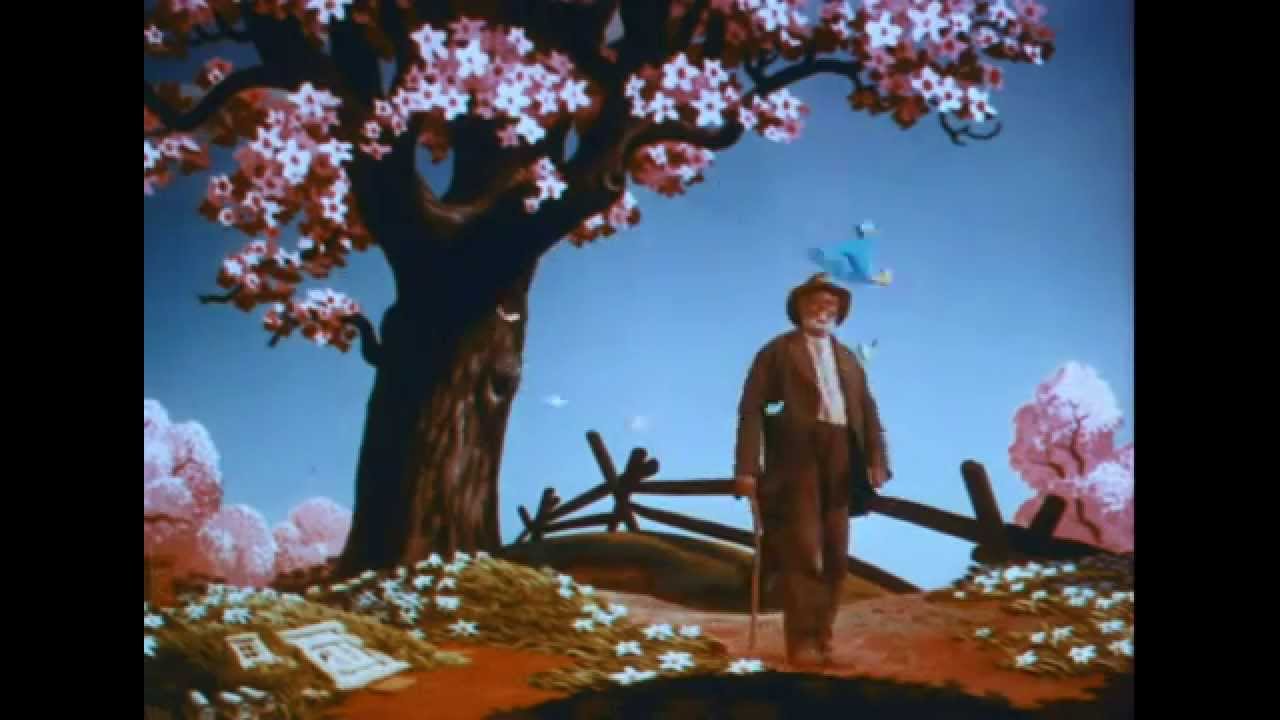
You know the tune. Even if you’ve never seen the 1946 film Song of the South, those bouncy, infectious opening notes of Zip-A-Dee-Doo-Dah are probably hardwired into your brain. It’s the ultimate "earworm." For decades, it was the unofficial anthem of the Disney Parks, greeting guests at the turnstiles and serving as the climax for one of the world’s most famous log flumes. But lately? It’s basically gone.
Disney didn't just turn down the volume. They systematically scrubbed it.
If you walk through Magic Kingdom or Disneyland today, you won’t hear it on the loop. The song that won an Academy Award for Best Original Song—beating out icons like "Ole Buttermilk Sky"—has been relegated to the archives. It’s a weird situation. On one hand, you have a melody that represents pure, unadulterated joy. On the other, you have a historical context that makes modern audiences (and Disney’s legal department) incredibly uncomfortable. Honestly, the story of how Zip-A-Dee-Doo-Dah went from a global phenomenon to a corporate liability is a fascinating look at how culture shifts.
The Birth of a Problematic Masterpiece
Ray Gilbert wrote the lyrics, and Allie Wrubel composed the music. It was 1946. World War II had just ended, and Walt Disney was looking for a way to blend live-action with animation in a way that felt revolutionary. He found it in the stories of Joel Chandler Harris. The result was Song of the South, featuring the character Uncle Remus, played by the legendary James Baskett.
Baskett was phenomenal. He actually received an Honorary Academy Award for his performance because, at the time, the industry was so segregated he wasn’t even eligible for a regular nomination. That’s a grim bit of trivia, isn't it?
The song itself was inspired by a pre-Civil War folk song called "Zip Coon." That’s where things get messy right out of the gate. While the melody of Zip-A-Dee-Doo-Dah is original, the linguistic DNA traces back to minstrel shows of the 19th century. When you’re building a brand on "magic," having your theme song rooted in blackface minstrelsy is a ticking time bomb.
Why the Song Stuck Around for 70 Years
You might wonder why, if the origins were so controversial, the song stayed in the parks for so long. The answer is Splash Mountain.
In the late 1980s, Disney Imagineer Tony Baxter was tasked with creating a new "thrill" ride to bring people to the back of Disneyland's Critter Country. He pitched a log flume. To save money, they used animatronics from the closing America Sings attraction. The theme? The animated segments of Song of the South.
Since the movie was already tucked away in the "Disney Vault" by then, an entire generation grew up associating Zip-A-Dee-Doo-Dah with a giant drop into a briar patch rather than the film it came from. For kids in the 90s, the song wasn't about the post-Civil War Reconstruction era. It was about a rabbit outsmarting a fox.
The disconnect was massive.
Disney leans hard into nostalgia. They knew the song was a "bop," as the kids say. It appeared on every Disney Sing-Along Songs VHS tape. It was the finale of the Main Street Electrical Parade. It was everywhere. It was the sound of a "bluebird on my shoulder." But as the 2000s rolled into the 2010s, the cultural climate began to catch up with the content.
The Great Scrubbing of 2020
The tipping point happened during the social justice movements of 2020. Disney, like many massive corporations, took a hard look at its portfolio. They realized that you couldn't keep celebrating a song that served as the primary marketing tool for a movie the company refused to release on DVD or Disney+.
It was a total contradiction.
First, the music was removed from the park entrance loops. Then, the big one: the announcement that Splash Mountain would be re-themed to Tiana’s Bayou Adventure.
People got upset.
Arguments broke out on Reddit and Twitter. Some fans argued that the song had transcended its origins. They saw it as a song about optimism—about having a "wonderful feeling" regardless of the circumstances. Others pointed out that "the circumstances" in the film were a sanitized, "happy slave" trope that distorted the reality of the American South.
The thing about Zip-A-Dee-Doo-Dah is that it’s technically "clean." The lyrics don't contain slurs. They describe a beautiful day. But in the world of semiotics—the study of signs and symbols—you can't separate the art from the artist or the source. If the source is poisonous, the fruit is usually considered tainted.
The Nuance Most People Miss
Here is what’s interesting: James Baskett’s performance of the song is genuinely soulful. He brought a warmth to Uncle Remus that many film historians, including those of color, have praised for its humanity in an era that rarely allowed Black actors to show any.
When Disney removed the song, they weren't just removing a catchy tune; they were effectively erasing the most famous work of the first Black man to win an Oscar. It’s a catch-22. Do you keep the song to honor the performer, or do you delete it to disassociate from the film's racial insensitivity?
Disney chose the latter.
What’s Left of the Legend?
If you go to Tokyo Disneyland, you can still ride Splash Mountain. You can still hear the song. International parks operate under different cultural pressures and licensing agreements. But in the U.S. domestic parks? It’s a ghost.
Even the "Magic Happens" parade at Disneyland had its soundtrack tweaked. Any reference to the song was quietly edited out or replaced with different melodies. It’s a surgical operation.
There are still covers out there, of course. Paula Abdul did a version. Miley Cyrus did one for DisneyMania 4. Louis Armstrong even recorded it! When Satchmo sings it, you realize how much the song owes to the jazz and blues traditions. It’s a piece of American musical history that is now effectively "orphaned."
Looking at the Hard Facts
- Film: Song of the South (1946)
- Award: Oscar for Best Original Song (1947)
- Lyrics: "Zip-a-dee-doo-dah, zip-a-dee-ay / My, oh, my, what a wonderful day!"
- The Removal: Started in 2020, largely completed by 2023.
- The Replacement: "Almost There" and other tracks from The Princess and the Frog.
Is the song "racist"? That’s a heavy word. The song describes a sunny day. The context is what’s radioactive. Disney decided that the "wonderful feeling" wasn't worth the baggage.
How to Find the Song Today (Legally)
Since Disney isn't selling it on the front page of iTunes anymore, how do people find it? Honestly, physical media is your best bet. Old Disneyland Resort soundtracks from the 90s and early 2000s are still floating around on eBay.
If you’re a collector of Disney history, those old CDs are becoming "artifacts." They represent a period when the company was less concerned with the optics of its 1940s catalog.
Strangely, the melody still pops up in some older merchandise—musical snow globes or vintage plush toys that play a tinny version of the tune. Those are slowly being phased out as stock runs dry.
Moving Forward: What This Means for Disney Fans
We’re living in an era of "curated history." For Disney, the brand is the priority. If Zip-A-Dee-Doo-Dah makes a segment of the population feel unwelcome or reminds them of a painful history, Disney sees no financial upside in keeping it.
The move toward Tiana’s Bayou Adventure is a pivot toward a different kind of joy—one that doesn't require a disclaimer at the start of the movie.
Actionable Insights for the Disney Enthusiast:
- Check Your Media: If you love the song for its musicality, hang on to your old physical CDs or vinyl records. Digital versions in "official" playlists are frequently being swapped out for newer tracks.
- Understand the History: Read up on James Baskett. His story is actually more compelling than the song itself. He fought for his role and his craft in an impossible era.
- Visit Tokyo: If you are a Splash Mountain purist, the Tokyo Disney Resort is currently the only place where the original "Zip-A-Dee" experience remains intact and celebrated.
- Listen to the Covers: Look for the Louis Armstrong or Sun Ra versions of the song. They offer a completely different perspective on the melody, stripping away the "Disney-fication" and placing it back into the realm of American folk and jazz.
The "bluebird on my shoulder" has flown away from the American Disney parks for good. Whether you think that’s a win for progress or a loss for musical history, the reality is that Disney has moved on. They’ve decided that the future of the parks shouldn't be built on a foundation that requires an apology.