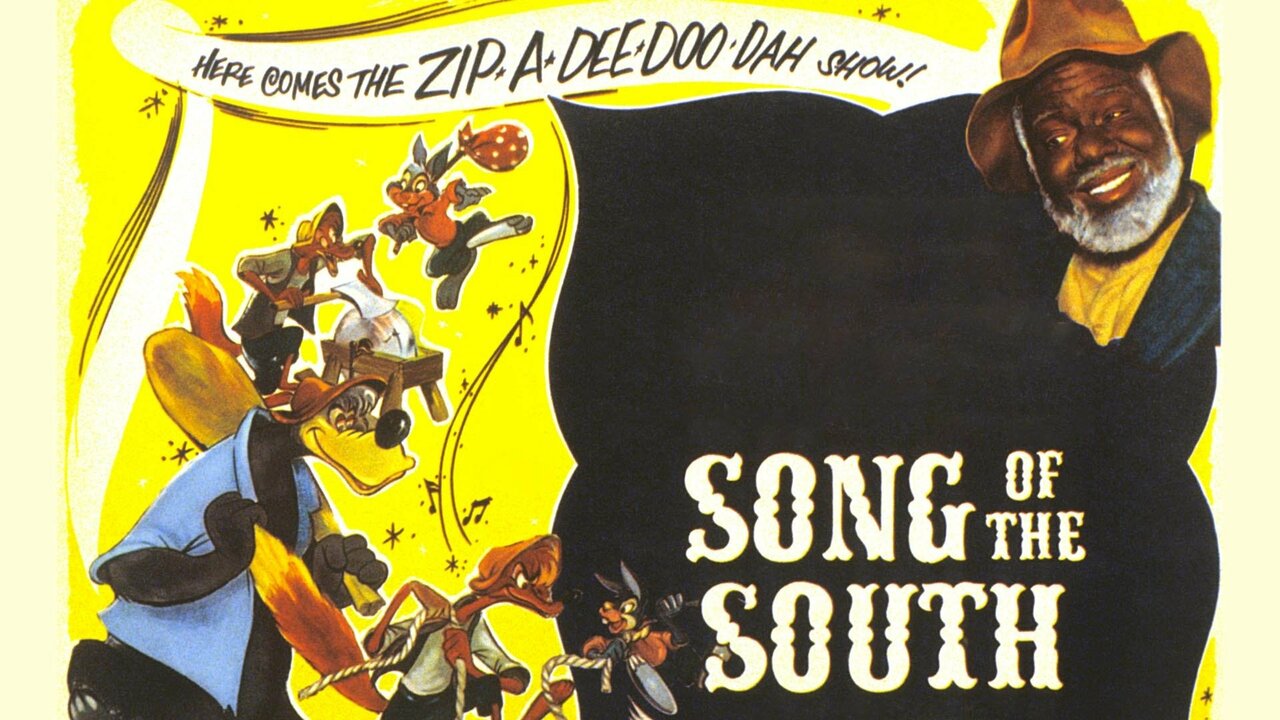
You know the tune. Even if you’ve never seen the 1946 film—and let’s be honest, unless you own a bootleg VHS or a rare European laserdisc, you probably haven't—you can whistle the melody. It’s infectious. It’s sunshine in musical form. "Zip-A-Dee-Doo-Dah" is the definitive Song of the South song, a piece of pop culture DNA that survived long after the movie it originated from was locked away in the Disney vault for good.
It’s weird, right?
A song can be globally beloved while the movie it’s attached to is considered so radioactive that a multi-billion dollar corporation refuses to let it see the light of day. This isn't just about a catchy chorus. It’s about how music travels through time, how it sheds its original context, and what happens when the "feel-good" vibes of a track collide head-on with the messy reality of history.
The Day the Bluebird Landed on James Baskett’s Shoulder
In 1947, "Zip-A-Dee-Doo-Dah" won the Academy Award for Best Original Song. Think about that. It beat out tracks from big-budget musicals of the era because it captured something fundamentally "Disney." The music was composed by Allie Wrubel with lyrics by Ray Gilbert. It’s built on a foundation of "pre-Civil War" folk influences, or at least Hollywood's 1940s interpretation of them.
James Baskett, the actor who played Uncle Remus, didn't just sing it; he embodied it. His performance was so impactful that he received an Honorary Academy Award, making him the first Black male actor to receive an Oscar, though it wasn't in a competitive category.
The song itself is a "list song" of sorts. It lists the reasons why today is great.
- Mr. Bluebird on the shoulder.
- Everything is "satisfactual."
- Sunlight everywhere.
But here is the thing: the song was actually influenced by a much older pre-Civil War folk song called "Zip Coon." If you look into the musicology, the "Zip" prefix was common in minstrelsy. This is where the tension starts. While "Zip-A-Dee-Doo-Dah" feels like a harmless nursery rhyme, its rhythmic DNA is tied to a very specific, very troubled era of American stage performance.
Why This Specific Song of the South Song Lived While Others Faded
Most people can't name another song from the movie. Can you? Maybe "Ev'rybody Has a Laughing Place" rings a bell if you rode Splash Mountain before 2023. Perhaps "How Do You Do?" sticks in your brain. But they don't have the cultural weight of the big one.
The brilliance of the song lies in its simplicity. It uses "nonsense" words that feel good in the mouth. Scatting or using rhythmic vocables—like "zip-a-dee"—is a technique that crosses all linguistic barriers. Kids love it. Grandparents love it. It’s easy to hum while you’re doing the dishes.
Disney knew this.
For decades, they used the track as the anthem for their Wonderful World of Disney television intros. They put it on every "Sing-Along Songs" VHS tape produced in the 80s and 90s. They decoupled the music from the film's narrative. By the time the 1990s rolled around, an entire generation of children knew the lyrics by heart without having a single clue that Uncle Remus was a character or that the movie took place on a Reconstruction-era plantation.
It was a masterpiece of brand management. Or erasure. Depending on who you ask.
The Splash Mountain Connection and the Slow Fade
You can’t talk about this song without talking about the log flume. Splash Mountain opened at Disneyland in 1989. It was basically a "Song of the South" museum that you traveled through in a hollowed-out tree. The climax of the ride featured a massive animatronic showboat where a chorus of animals sang—you guessed it—"Zip-A-Dee-Doo-Dah."
For thirty years, that ride was the song's life support system.
But things changed. In 2020, amidst a global conversation about racial justice and the imagery we choose to celebrate, Disney announced they would re-theme Splash Mountain into Tiana’s Bayou Adventure. The Song of the South song was officially being retired from the parks.
Actually, it happened even faster than the ride construction. If you walked down Main Street U.S.A. in 2022, you might have noticed something. The background music loops, which had played instrumental versions of the song for decades, were quietly edited. The track was gone.
What the Critics and Historians Actually Say
It’s easy to fall into two camps: "It’s just a song, get over it" or "It’s a monument to racism, burn it."
But the reality is more nuanced. Music historian Floyd Levin once noted that James Baskett’s performance brought a level of dignity to the role that wasn't necessarily on the page. When you listen to the original recording, there’s a genuine soulfulness in Baskett's voice. He wasn't just a caricature; he was a powerhouse performer working within the confines of a very restrictive Hollywood system.
On the other side, scholars like Naomi Bellin point out that the song contributes to a "pastoral myth." By singing about how "satisfactual" everything is, the song reinforces the film's controversial depiction of the post-war South as a place of harmony and contentedness for formerly enslaved people.
The song isn't "evil" in a vacuum. It’s just heavy. It carries the weight of the visuals it was designed to accompany.
Is It Still "Okay" to Listen to It?
Honestly? People still do. It’s all over Spotify and YouTube. Cover versions exist by everyone from Louis Armstrong to Miley Cyrus (back in her Disney Channel days).
What’s interesting is that the song has become a case study in "Death of the Author." When a piece of art becomes this famous, does the creator—or the original movie—even matter anymore? For many, the song has evolved into a generic expression of joy. It’s become folk music.
But Disney's stance is clear: they aren't going to sell it to you anymore. They've stopped including it in new merchandise. They've stopped playing it in the parks. They've effectively decided that the brand risk of the Song of the South song outweighs the nostalgic value.
How to Approach the Song Today
If you're a fan of film history or Disney music, you don't have to pretend the song doesn't exist. It’s a massive part of 20th-century animation history. However, engaging with it requires a bit more brainpower than it did thirty years ago.
Understand the Source Don't just listen to the song in isolation. If you’re curious, look up the history of the Joel Chandler Harris stories the film was based on. Read about the "Uncle Remus" legacy. Knowing the context doesn't mean you can't enjoy a melody, but it does mean you’re a more informed consumer.
Acknowledge the Performers Shift the focus to James Baskett. He was a pioneer who did incredible work under impossible circumstances. Celebrating his talent is a way to appreciate the song without necessarily endorsing the film’s broader themes.
Check the Lyrics Most people get the lyrics wrong anyway. It’s "Zip-A-Dee-Doo-Dah, Zip-A-Dee-A." It’s not "Zip-A-Dee-Doo-Dah-Day." Small distinction, but if you’re going to talk about it, get the facts right.
Look at the Evolution of Disney Music Compare this track to later "I Want" songs or celebratory anthems in the Disney canon, like "Under the Sea" or "Friend Like Me." You can see the DNA of the Song of the South song in the way Disney structures its big, show-stopping numbers. The rhythmic pacing and the use of "nonsense" syllables became a template that the company used for the next seventy years.
The song is a ghost. It haunts the Disney archives, appearing in the background of old specials or in the memories of anyone who visited the parks between 1989 and 2023. It’s a reminder that music is never just "music." It’s tied to time, place, and the complicated people who make it. You can hum the tune, but you can't ignore the history. That’s just the way it is.
Instead of looking for the song on official modern Disney soundtracks, look for archival releases or jazz covers from the 1950s. Those versions often lean into the musicality of the track rather than the movie's imagery. It’s a way to appreciate the composition while acknowledging that the world has moved on from the "satisfactual" plantation.
Music doesn't disappear; it just changes shape. The bluebird is still on the shoulder, but the shoulder belongs to a different era now.
If you want to dig deeper, look for the 2006 documentary The Legacy of Song of the South or read the work of film historian Jim Hill. They’ve spent years tracking how this specific piece of media went from the pinnacle of Disney's success to its most guarded secret. Information is out there if you know where to look, even if Disney+ doesn't want you to find it.