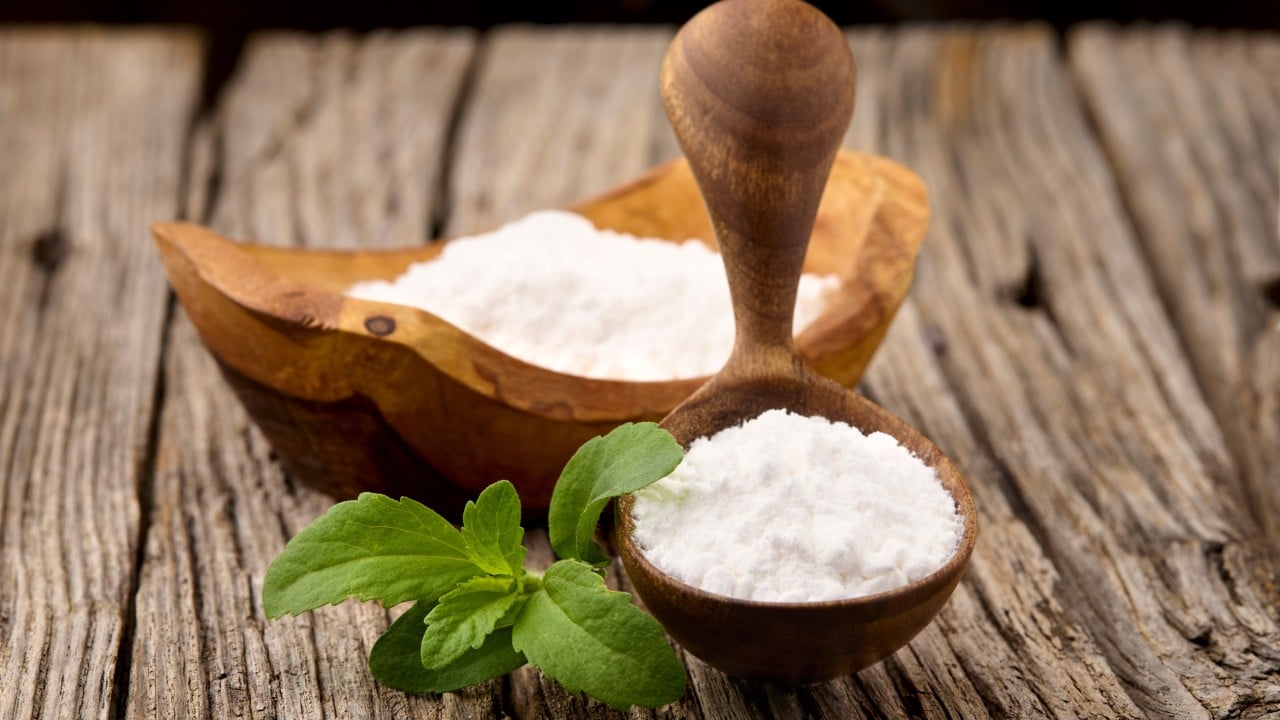
You’ve probably seen it. That thick, stark white paste smeared across a lifeguard’s nose in an 80s movie. It looked ridiculous. Honestly, it still looks a little ridiculous if you don't rub it in well, but zinc oxide is arguably the most hard-working multitasker in your medicine cabinet. We’re talking about a crushed-up mineral—zincite—turned into a power-packed topical.
It's weirdly versatile.
Most people think of it as just a "sunscreen thing," but the range of zinc oxide uses for skin covers everything from angry diaper rashes to the cystic acne that pops up right before a big wedding. It’s a physical barrier. It’s an anti-inflammatory. It’s an antimicrobial powerhouse. If you've ever wondered why your dermatologist keeps pushing "physical blockers" instead of the fancy chemical stuff, this is why.
The Science of Sitting on Top
Chemical sunscreens work like a sponge. They soak into your skin, absorb UV rays, turn them into heat, and release that heat from your body. It’s a complex chemical reaction happening on your face. Zinc oxide doesn’t do that. It sits on top like a million tiny mirrors. It’s a "physical" or "mineral" blocker. It reflects UVA and UVB rays away before they even touch your cells.
This is huge for people with melasma.
Heat can actually trigger more pigment production. Since chemical sunscreens generate heat as a byproduct, they can sometimes make melasma worse. Zinc oxide keeps things cool. Dr. Shari Marchbein, a board-certified dermatologist in New York, often points out that for patients with heat-sensitive skin conditions like rosacea, mineral blockers are the gold standard. They don't irritate. They just protect.
Why Zinc Oxide Uses for Skin Go Beyond the Beach
It’s not just for the sun. Not even close.
Have you ever looked at the back of a Desitin bottle? The active ingredient is zinc oxide, usually at a high concentration like 40%. It creates a literal wall between the skin and moisture. In the world of baby care, this is the "brick wall" strategy. By preventing "wetness" from touching the skin, it allows the epidermis to heal itself without constant irritation from urine or friction.
But adults use it too.
Chafing. "Chub rub." Marathon runners slather this stuff on their inner thighs to prevent the literal skin-stripping that happens over 26 miles. It's cheap, it's thick, and it stays put even when you're sweating buckets.
Acne and the "Shrinkage" Effect
Zinc oxide is mildly astringent. That’s a fancy way of saying it shrinks things. If you have a weeping, angry pimple, a spot treatment containing zinc can help dry it out. It also regulates oil production. Some studies suggest that topical zinc can reduce the amount of sebum your pores pump out.
It’s also an antimicrobial.
Bacteria like P. acnes hate zinc. While it’s not as aggressive as benzoyl peroxide—which, let’s be real, ruins all your favorite towels—zinc oxide is much gentler for those with sensitive skin who still struggle with breakouts. It calms the redness while fighting the bugs.
The White Cast Problem
Let's address the elephant in the room: the "ghost face."
Historically, zinc oxide was thick. It was pasty. If you put it on, you looked like you were auditioning for a mime troupe. This is because the particles were large. Today, we have "micronized" zinc oxide. The particles are ground down so small that they become almost transparent when rubbed in.
There's a catch, though. Some people worry about "nanoparticles" getting into the bloodstream.
Current research, including a major study published in the Journal of Investigative Dermatology, shows that even the tiniest zinc nanoparticles don't penetrate past the outermost layer of dead skin (the stratum corneum). They stay where they belong. However, if you're a purist, you can still find "non-nano" zinc. It just takes a bit more elbow grease to blend it in.
Healing Wounds and Calming Rashes
If you've ever had surgery, your doctor might have recommended a zinc-based ointment for the scar. Zinc is a critical cofactor in DNA synthesis and cell division. Basically, your skin needs zinc to build new versions of itself.
It speeds up "re-epithelialization."
- Eczema flares: It calms the itch and keeps external allergens out.
- Psoriasis: It softens the scales.
- Minor burns: It provides a cooling, protective layer.
I once talked to a wound care nurse who called it "the duct tape of dermatology." If something is red, wet, or broken, you put zinc on it. It’s the ultimate "reset" button for a compromised skin barrier.
The Surprising Use: Foot Odor
This is the one nobody talks about. Zinc oxide is incredibly effective at neutralizing foot odor. Smelly feet are caused by bacteria breaking down sweat. Because zinc oxide is antimicrobial and keeps the skin dry, it stops the smell at the source. Some people actually dust their shoes with a bit of zinc powder or use a zinc-heavy cream before putting on socks. It works better than most store-bought deodorizers. Honestly.
How to Actually Use It Without Looking Crazy
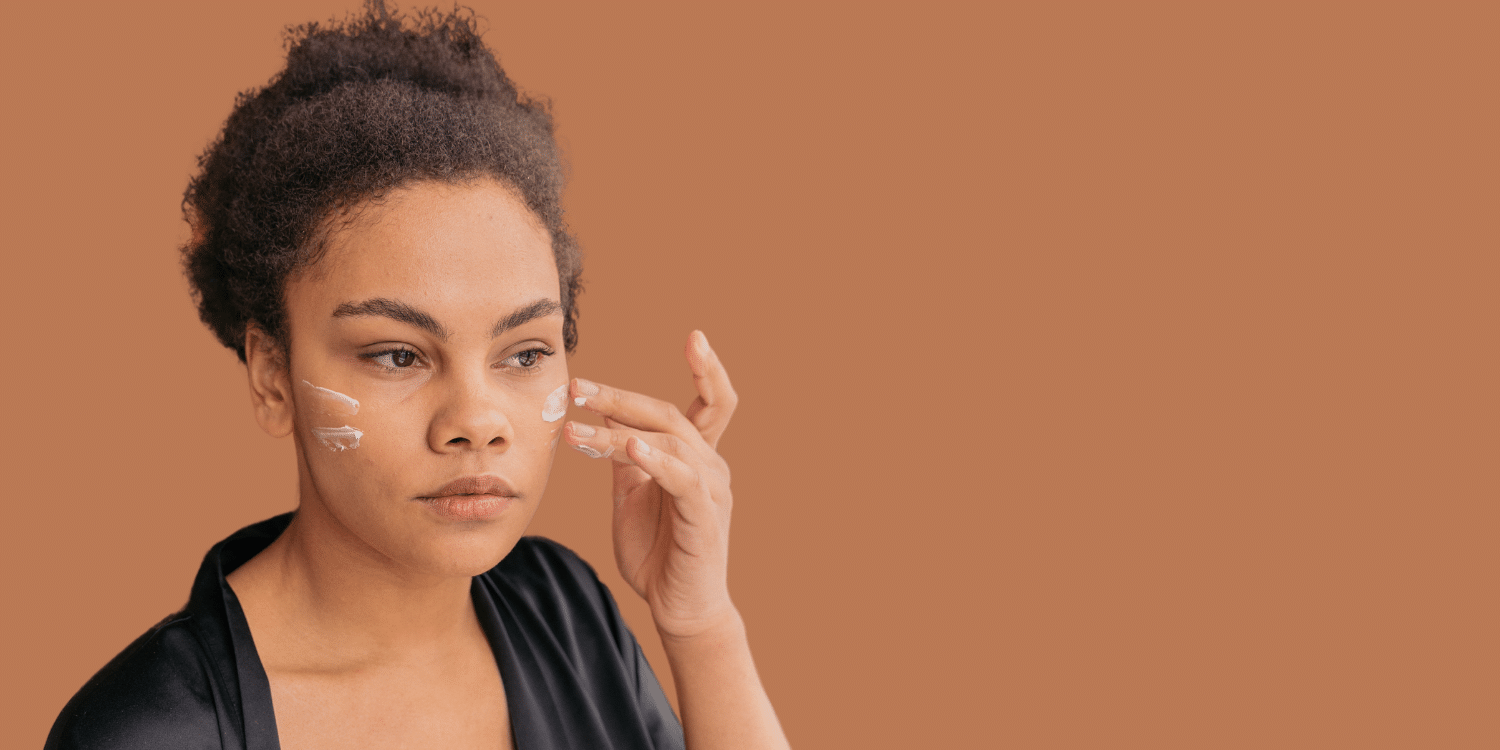
If you're using a zinc-based sunscreen, the trick is the "dot method." Don't just slap a glob on your palm and smear. Put tiny dots all over your face—forehead, cheeks, chin, nose—and then blend them together. This ensures even coverage and helps the mineral particles lay flat against the skin, which reduces that chalky look.
For irritation or rashes, more is usually better.
You want a visible layer. If you can see the skin through the cream, you haven't put enough on to create a true moisture barrier. This is especially true for "slugging" with zinc. Some people with severely damaged barriers use a thin layer of zinc oxide cream as their final skincare step at night. It locks everything in and keeps the air from stinging sensitive patches.
Safety and Limitations
Is it perfect? Nothing is.
Zinc oxide is generally recognized as safe (GRASE) by the FDA. In fact, it's one of only two sunscreen ingredients that currently holds that full designation (the other is titanium dioxide). But, if you have extremely dry skin, the astringent properties of zinc might make you feel even more parched.
Always patch test.
And for the love of everything, don't inhale it. If you're using a powder or spray version, be careful. While it's great for your skin, your lungs aren't designed to process mineral dust.
Actionable Steps for Your Routine
If you want to start incorporating zinc oxide uses for skin into your daily life, start small.
First, swap your chemical face sunscreen for a tinted mineral version. The tint (usually from iron oxides) helps cancel out any white cast and provides extra protection against blue light from your phone and computer.
Second, keep a tube of 10-20% zinc oxide cream in your first aid kit. Don't wait for a diaper rash. Use it on that weird dry patch on your elbow, the sunburn you got because you forgot to reapply, or the "maskne" around your jawline.
Third, check your labels. You want to see "Zinc Oxide" listed as an active ingredient, not just buried at the bottom of the "inactive" list. The concentration matters. For daily sun protection, look for at least 15-20%. For skin healing or barrier protection, higher percentages are your friend.
Stop overcomplicating your skincare. Sometimes the best solutions are the ones we've been using for a hundred years. It's boring, it's white, and it's a bit messy, but it works.
Practical Checklist:
- Buy a tinted mineral sunscreen with at least 18% zinc oxide for daily use.
- Use a high-percentage paste (like 40%) for overnight spot treatments on inflamed acne.
- Apply a zinc barrier cream to areas prone to friction before workouts to prevent chafing.
- If you have rosacea, avoid "fragranced" zinc products; stick to the pure, medicinal stuff.