Ever feel like your immune system is just... tired? Like every time a coworker sneezes, you’re the first one to wake up with a scratchy throat two days later? It might not just be bad luck or lack of sleep.
Honestly, most of us don't think about zinc until we’re already sick and staring at a bottle of lozenges in the pharmacy aisle. But by then, you’re playing catch-up. Zinc is basically the "backstage manager" of your body. It doesn’t get the fame that Vitamin C or Calcium gets, but without it, over 300 enzymes in your system basically stop working correctly. It fixes your DNA. It heals your skin. It even helps you taste your food.
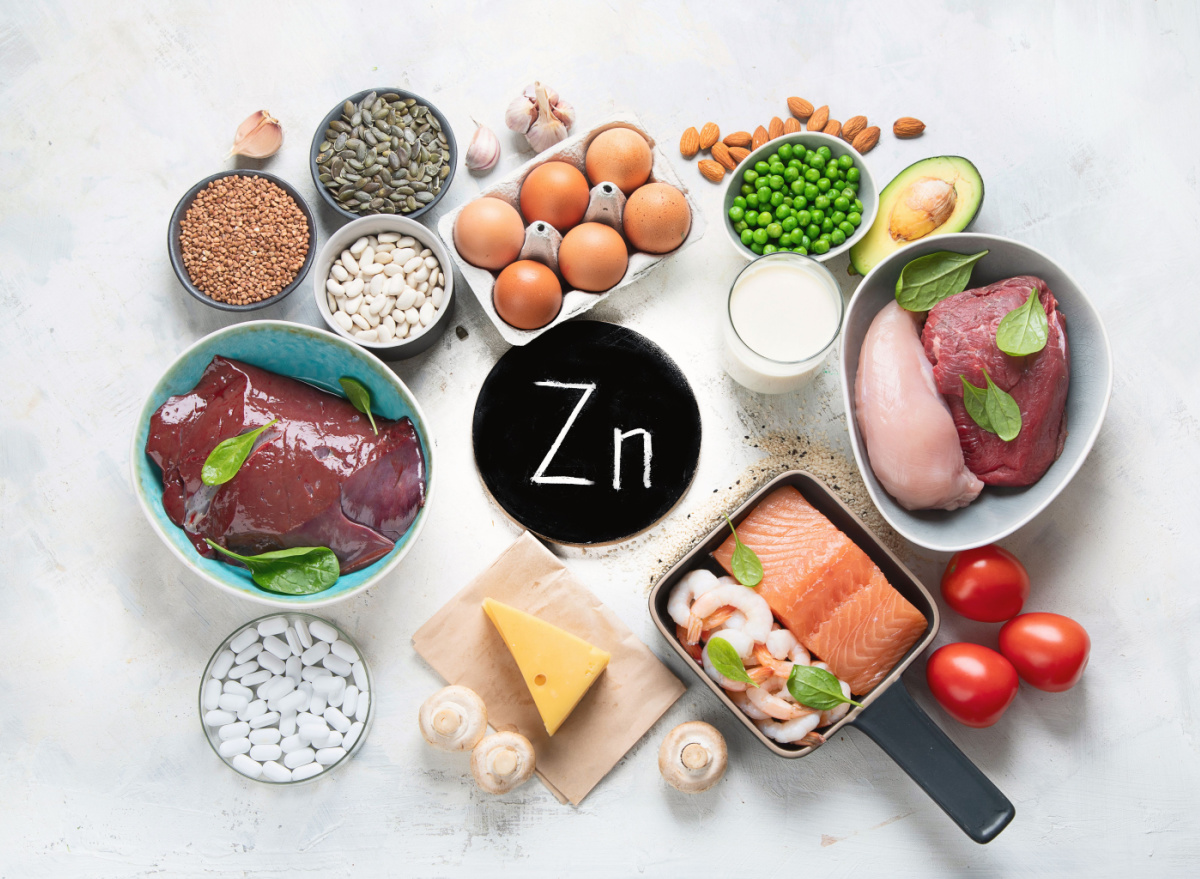
If you’ve been feeling sluggish or noticed that tiny papercuts take forever to heal, you might want to look at your plate. Getting enough of the top 10 foods with zinc isn't just about avoiding a cold; it’s about keeping your entire metabolic engine from stalling.
Why Zinc Is Kinda a Big Deal
The tricky part about zinc is that your body has no way to store it. None. Unlike some vitamins that hang out in your fat cells for a rainy day, zinc is a "use it or lose it" mineral. If you don't eat it today, your body doesn't have it today.
For men, the goal is usually around 11 mg a day. Women need about 8 mg, though that jumps up if you’re pregnant or breastfeeding. It sounds like a tiny amount, right? But here’s the kicker: absorption is a nightmare.
Plants have these things called phytates. They’re like "anti-nutrients" that grab onto zinc and escort it out of your body before you can use it. This is why a steak and a bowl of lentils might have similar zinc numbers on a chart, but your body actually gets way more from the steak.
The Heavy Hitters: Top 10 Foods With Zinc
1. Oysters (The Undisputed Kings)
If there were a Hall of Fame for zinc, oysters would be the first induction. It’s not even a close race. Just six medium oysters can pack a massive 32 mg of zinc. That is nearly 300% of your daily value in one sitting.
You don't have to eat them raw if that’s not your vibe. Smoked, canned, or fried—they still deliver. They are basically nature's most concentrated zinc supplement, minus the chalky aftertaste.
2. Beef and Bison
For most people, red meat is going to be the most reliable way to hit those daily targets. A standard 100-gram serving of ground beef gives you about 4.8 mg. That’s nearly half of what a man needs and more than half for a woman.
Chuck roast is particularly good. It’s also loaded with B12 and iron, which usually travel together with zinc in animal proteins. If you’re an athlete or someone who works a physical job, this is your best friend for muscle repair.
3. Pumpkin Seeds (Pepitas)
Vegans, listen up. Pumpkin seeds are probably your secret weapon. About 30 grams (a small handful) gives you roughly 2.2 mg.
They’re easy. Toss them on a salad, mix them into oatmeal, or just eat them plain while you’re stuck in traffic. Just a heads up: roasting them makes them taste better, but keep an eye on the salt content if you’re buying the pre-packaged ones.
4. Crab and Lobster
Seafood isn't just oysters. Alaskan King Crab is surprisingly high in zinc, offering about 6.5 mg per 3-ounce serving. Lobster follows closely behind.
It's a "fancy" way to get your minerals, sure, but even canned crab meat works in a pinch for a quick pasta or salad. Plus, it’s lean protein, so you’re not dealing with the heavy saturated fats found in some red meats.
5. Hemp Seeds
Hemp seeds are sort of the "overachievers" of the seed world. Three tablespoons will net you about 3 mg of zinc.
They have a mild, nutty flavor that basically disappears into smoothies. If you’re trying to boost your intake without changing your whole diet, this is the lowest-effort way to do it.
6. Cashews
Not all nuts are created equal. While almonds get all the glory for Vitamin E, cashews take the trophy for zinc.
An ounce of cashews has about 1.6 mg. They are also rich in healthy fats and magnesium. Just be careful—it’s very easy to eat an entire jar in one sitting, and those calories add up fast.
7. Chickpeas and Lentils
Legumes are great, but they come with a "fine print" warning. A cup of cooked lentils has about 1.3 mg of zinc.
Because of those phytates I mentioned earlier, you should soak your dried beans overnight or go for sprouted versions. It "unlocks" the minerals so your gut can actually absorb them. Honestly, canned chickpeas are still fine, just rinse them well.
8. Cheddar Cheese
Good news for the cheese lovers. Dairy is actually a very bioavailable source of zinc. 100 grams of cheddar has about 3.1 mg.
The protein in dairy actually helps your body absorb the zinc more efficiently than plant sources. A slice of cheese on your sandwich isn't just a topping; it’s a legitimate nutritional boost.
9. Dark Chicken Meat
If you’re a "chicken and rice" person, skip the breast and go for the thighs. Dark meat has significantly more zinc than white meat.
One chicken thigh has about 1.4 mg. It’s also juicier and harder to overcook, which is a win-win in my book.
10. Dark Chocolate
Yes, really. But don't go grabbing a milk chocolate bar. You need the high-percentage stuff—70% cocoa or higher.
A 100-gram bar of dark chocolate can have up to 3.3 mg of zinc. It’s definitely not the most efficient way to get your minerals (because of the sugar and calories), but it’s a nice "bonus" at the end of the day.
The Absorption Problem: How to Actually Get the Zinc
It’s not just about what you eat; it's about what you keep. You could eat a bowl of zinc-rich spinach, but if you wash it down with a giant pot of coffee, you might be sabotaging yourself.
High doses of calcium or iron can sometimes compete with zinc for absorption. If you’re taking a bunch of different supplements at once, you might be creating a "traffic jam" in your small intestine.
Pro Tip: Eat your zinc-heavy foods with a bit of protein. Amino acids have been shown to help transport zinc into your cells. This is why the zinc in meat is so much more effective than the zinc in a bowl of plain oats.
Common Misconceptions
A lot of people think you can just "load up" on zinc when you feel a tickle in your throat. While some studies suggest zinc gluconate or acetate lozenges can shorten a cold by a day or two, it works best if you have a baseline level of zinc already in your system.
Also, watch out for "Zinc Toxicity." The upper limit is 40 mg a day. If you’re smashing oysters every single day AND taking a high-dose supplement, you can actually cause a copper deficiency. Your body needs a balance between copper and zinc to keep your blood and nerves healthy.
Practical Next Steps for Your Kitchen
If you're serious about bumping up your levels, don't try to overhaul your entire life at once. Pick one or two "zinc swaps" this week.
- Switch to Thighs: Next time you’re meal prepping chicken, buy the boneless thighs instead of the breasts.
- The Salad Topper: Keep a jar of pumpkin seeds or hemp hearts on your counter. Sprinkle them on literally everything—yogurt, salads, even avocado toast.
- Soak Your Beans: If you’re a vegetarian, start soaking your lentils and chickpeas. It sounds like a chore, but it makes a massive difference in how much nutrition you actually get.
- The 80% Rule: If you want that dark chocolate "supplement," aim for the 80% cocoa bars. They have less sugar and more of the minerals you’re actually looking for.
Focus on variety. Your body loves it when you rotate your sources. A little beef on Monday, some pumpkin seeds on Tuesday, and maybe some shrimp or crab on Friday. That's how you build a resilient system that doesn't crumble the second someone on the bus coughs near you.