You’re staring at the supplement aisle. It’s flu season, or maybe your coworker just coughed in your general direction, and you feel that ominous tickle in the back of your throat. You grab the orange-flavored tablets and the little mineral pills. Most of us just toss back zinc and vitamin C like they’re magic beans, hoping they’ll build some invisible shield around our immune system. But does it actually work that way? Honestly, the science is a bit messier than the marketing on the bottle suggests.
It’s not just about "boosting" immunity. That's a buzzword that doesn't mean much in biology. Your immune system is a complex network, not a muscle you can just flex by swallowing a gummy.
The Reality of Zinc and Vitamin C for the Common Cold
We've been told since the 1970s, largely thanks to Linus Pauling, that Vitamin C is the holy grail of cold prevention. Pauling was a brilliant Nobel Prize winner, but he might have been a bit overzealous on this one. Modern meta-analyses, like those from the Cochrane Database of Systematic Reviews, show that taking Vitamin C regularly doesn't actually stop the average person from catching a cold. It might shorten the duration by about 8% in adults, which, if you do the math, is less than half a day of feeling sniffly.
Zinc is different.
Zinc actually interferes with the way rhinoviruses (the primary cause of colds) replicate in your nasal mucosa. A study published in the Open Respiratory Medicine Journal found that zinc lozenges could reduce the duration of cold symptoms by up to 40%. But there's a catch. You have to take it within 24 hours of the first symptom. If you wait until you’re three days deep into a fever, you’re basically just taking expensive minerals for no reason.
Why the forms matter (and why most people get it wrong)
If you’re buying zinc sulfate, you might be wasting your time and upsetting your stomach. Zinc acetate or zinc gluconate are generally what researchers look for in those successful trials. Also, you have to let the lozenge dissolve in your mouth. Swallowing a zinc pill doesn't give the ions a chance to coat the throat and block the virus where it lives.
Then there’s the stomach issue.
Taking zinc and vitamin C on an empty stomach is a recipe for disaster for a lot of people. Zinc is notorious for causing "zinc nausea." It’s a sharp, metallic queasiness that hits about twenty minutes after ingestion. If you’ve ever felt like you were going to barf after taking a multivitamin, it was probably the zinc.
What Your Body Actually Does With These Nutrients
Vitamin C is water-soluble. Your body is incredibly efficient at getting rid of what it doesn't need. If you take 2,000mg—which is the upper tolerable limit—you’re mostly just creating very expensive urine. Your intestinal transporters get saturated. They can only carry so much across the border into your bloodstream at once.
Zinc is a trace mineral. It’s involved in over 300 enzymatic reactions. It helps your skin heal, it helps you taste your food, and it’s vital for DNA synthesis. But it has a weird relationship with copper.
If you obsessively take high doses of zinc to avoid getting sick, you can actually create a copper deficiency. The two minerals compete for the same absorption pathways. This isn't just a minor "oops" situation; a chronic copper deficiency can lead to neurological issues and anemia. Most experts, including those at the National Institutes of Health (NIH), suggest not exceeding 40mg of zinc a day unless you’re under medical supervision for a specific deficiency.
The Synergistic Argument
Some researchers argue that zinc and vitamin C work better together because of how they handle oxidative stress. When your white blood cells—the neutrophils—rush to the site of an infection, they create "oxidative bursts" to kill the bacteria or virus. It’s like a controlled explosion. Vitamin C acts as the cleanup crew, protecting your own tissues from the blast. Zinc, meanwhile, ensures that the production of these "soldiers" stays on track.
They don't necessarily "power up" each other in the way a video game buff works. It's more like they're working different shifts on the same construction site.
The Bioavailability Trap
You’ve probably seen "Liposomal Vitamin C" or "Zinc Picolinate" and wondered if the extra $20 is worth it. Bioavailability is just a fancy way of saying how much of the stuff actually makes it into your system.
- Liposomal C: These are encased in tiny fat bubbles. Some evidence suggests they bypass the standard "saturation" point in the gut, allowing for higher blood levels without the laxative effect that high-dose Vitamin C often causes.
- Zinc Picolinate: Often cited as the most absorbable form, though gluconate is usually fine for most people.
- Food Sources: Honestly, your body loves oysters for zinc. One medium oyster has about 8mg of zinc. If you eat six oysters, you’ve smashed your daily requirement. For Vitamin C, a yellow bell pepper actually has more than an orange.
It’s easy to forget that supplements are meant to supplement a diet, not replace it. Your body processes a bell pepper differently than a synthetic powder. There are co-factors in whole foods—bioflavonoids in fruit, for example—that help the Vitamin C do its job more effectively.
Common Myths That Just Won't Die
"Vitamin C prevents the flu." Nope. It doesn't.
"More is always better." Actually, too much Vitamin C can lead to kidney stones in people who are prone to them. It breaks down into oxalate, which can crystallize in your kidneys. Not fun.
"Zinc nasal sprays are the best." Stop. Just don't. Several years ago, the FDA warned against certain zinc nasal sprays because they were literally making people lose their sense of smell (anosmia) permanently. Stick to lozenges or oral supplements.
The Special Cases: Who Actually Needs More?
Athletes lose zinc through sweat. If you’re training for a marathon in the humidity, you might actually be depleted. Vegetarians and vegans also need to be careful. Phytates, which are found in whole grains and legumes, bind to zinc and prevent it from being absorbed. This is why you’ll often see advice to soak your beans or sprout your grains—it breaks down the phytates and lets the zinc go free.
Smokers are another group. Smoking creates massive amounts of oxidative stress. The body uses up Vitamin C much faster to combat the damage to the lungs and blood vessels. If you smoke, you likely need about 35mg more Vitamin C per day than a non-smoker just to keep your baseline levels steady.
Practical Strategies for Using Zinc and Vitamin C
Don't wait until you're already miserable to think about your nutrient status. The goal is to keep your "tanks" full so that when a virus hits, your body has the raw materials it needs to fight back.
If you do feel a cold coming on, here is the evidence-based way to handle it:
- Timing: Start a zinc lozenge (acetate or gluconate) immediately. Aim for about 75-90mg total per day, spread out, but only for the duration of the cold. Do not do this for months.
- Buffer your C: Take Vitamin C in smaller doses (250mg to 500mg) throughout the day rather than one giant 2,000mg pill. Your body will actually use it instead of flushing it.
- Food first: If you aren't sick, focus on pumpkin seeds, chickpeas, and shellfish for zinc. Hit the kiwis and strawberries for C.
- Check your meds: Zinc can interact with certain antibiotics (like tetracyclines) and blood pressure medications. Always check with a pharmacist if you’re on a prescription.
The Bottom Line on Supplementation
The combination of zinc and vitamin C isn't a "cure." It’s a support system. If your sleep is terrible, your stress is through the roof, and you’re living on ultra-processed snacks, no amount of supplements will save you from the office bug.
Think of these two as the specialized tools in a toolbox. They are incredibly effective when used for the right job at the right time. Taking them daily in moderate amounts is generally safe and potentially helpful for maintaining skin health and basic immune function. But the "mega-dosing" strategy is a short-term tool, not a long-term lifestyle.
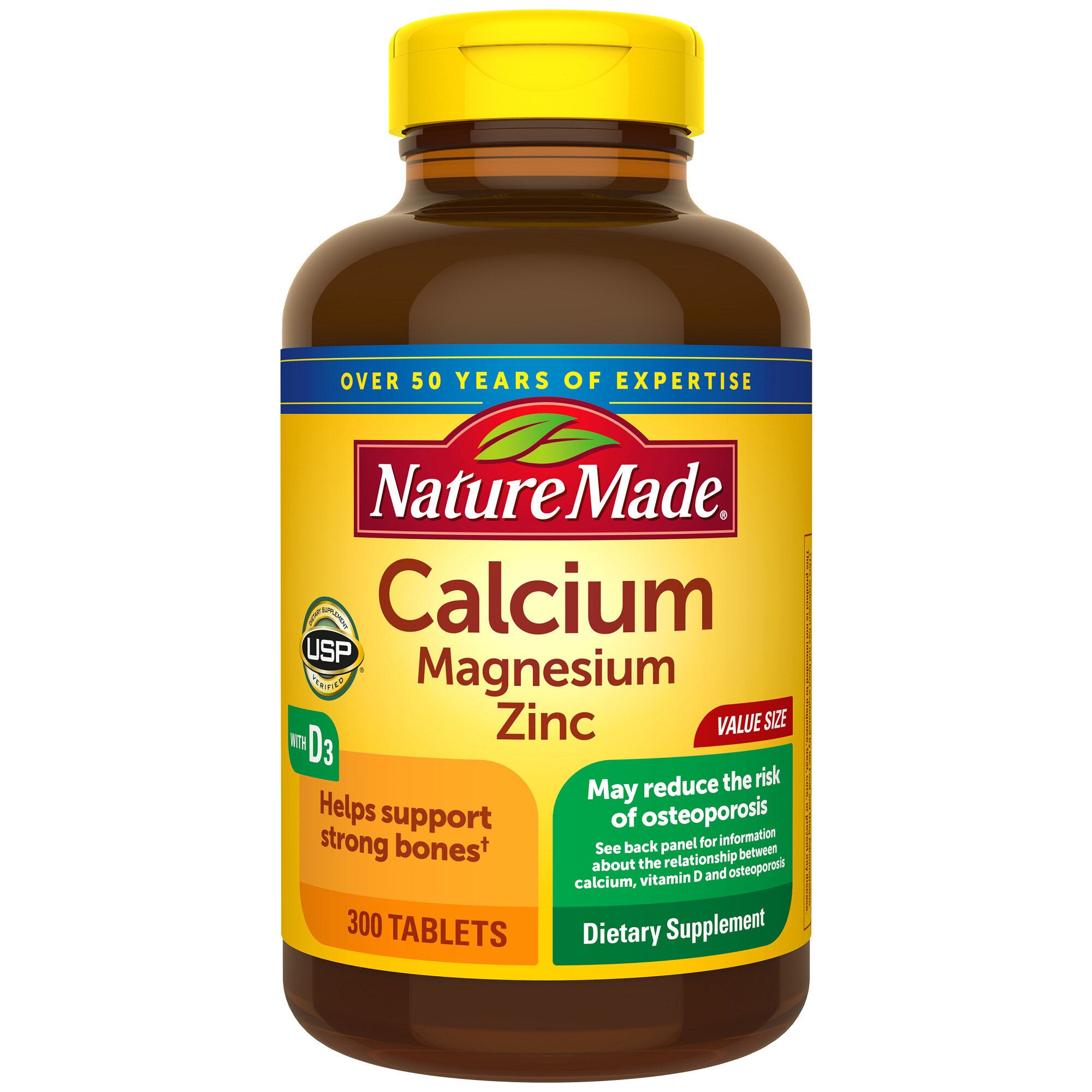
To get the most out of your regimen, look for third-party testing labels like USP or NSF on your bottles. This ensures that what’s on the label is actually in the pill, which, surprisingly, isn't always the case in the supplement world. Stick to the lozenges for colds, eat your greens for daily maintenance, and don't forget that a glass of water and eight hours of sleep are still the most underrated "immune boosters" on the planet.
Actionable Steps for Better Results
- Switch to zinc acetate or gluconate lozenges at the first sign of a scratchy throat.
- Eat one food high in Vitamin C with every meal to maximize absorption of non-heme iron (the kind found in plants).
- Avoid taking your zinc supplement at the same time as a calcium supplement, as they can interfere with each other.
- Limit high-dose zinc (above 40mg) to no more than two weeks to avoid messing up your copper levels.
- Prioritize liposomal or "buffered" Vitamin C if you have a sensitive stomach or are prone to acid reflux.