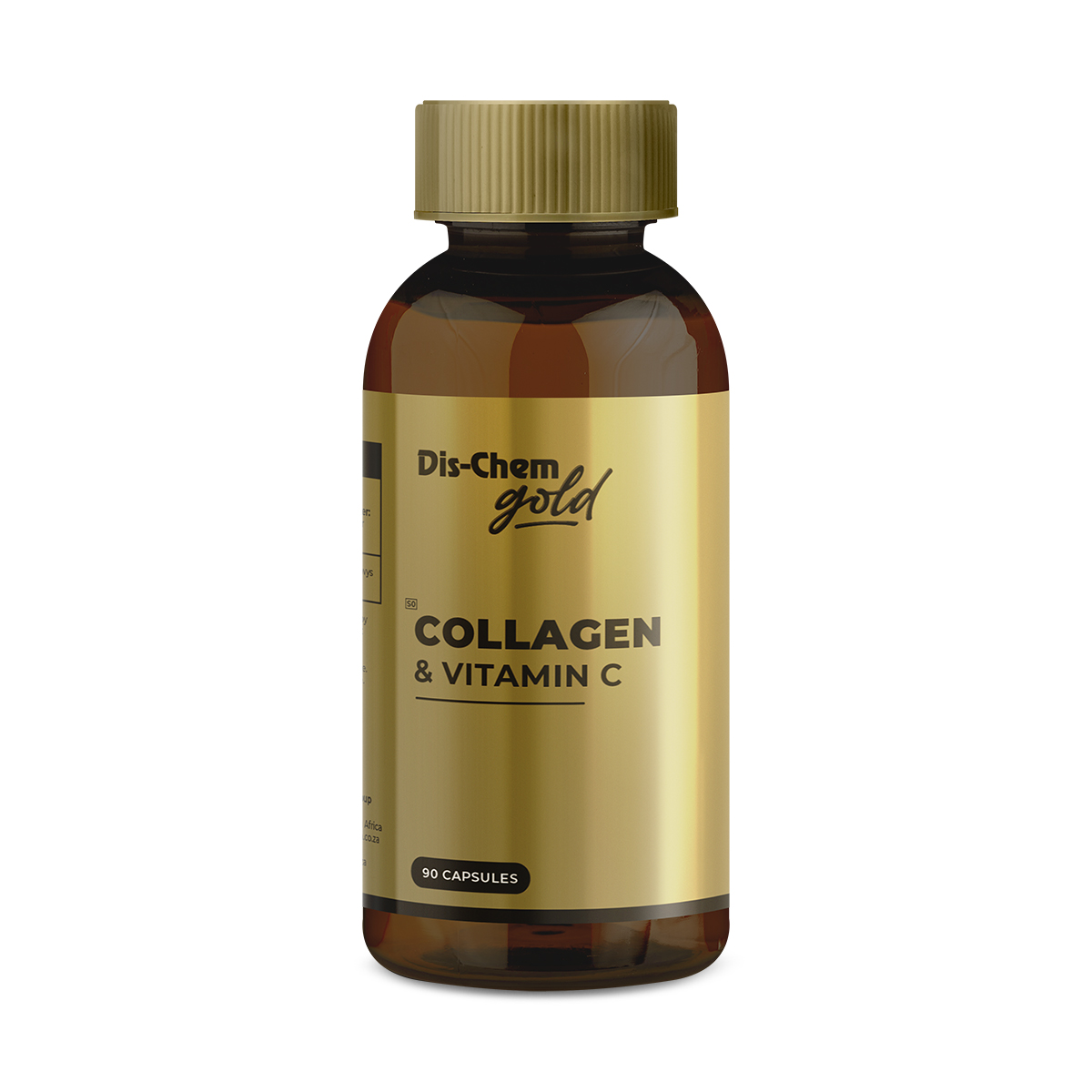
You’re staring at the pharmacy shelf. Your throat feels a little scratchy, or maybe the person in the cubicle next to you has been sneezing for three hours straight. You reach for that orange-flavored fizzy drink or a bottle of chalky white pills. It’s the classic duo. Zinc and vitamin C supplements are basically the Batman and Robin of the wellness aisle. Everyone knows they’re supposed to help. But honestly? Most people just pop them whenever they feel a sniffle and hope for the best without actually knowing how these nutrients play together.
It’s not just about "boosting immunity." That’s a buzzword that doesn't really mean much. Your immune system is a chaotic, beautiful mess of cells, signals, and chemical warfare. If it were always "boosted," you’d have an autoimmune disease. What you actually want is a system that reacts fast, kills the bad stuff, and then shuts up. That’s where the chemistry of zinc and ascorbic acid comes in.
The Cold Hard Truth About the "Cure"
Let's get one thing straight: taking zinc and vitamin C supplements isn't a magic shield. If you’ve already been hacking up a lung for five days, starting a regimen now probably won't do much. The timing is everything.
Scientific literature, like the massive Cochrane reviews, suggests that vitamin C is better at preventing the duration of a cold in people under extreme physical stress—think marathon runners or soldiers in the Arctic—than it is at curing a couch potato's flu. For the rest of us, it might shave half a day off a week-long cold. That’s it. Half a day. Is it worth it? Maybe. But the zinc side of the equation is actually way more interesting.
Zinc is a literal gatekeeper of immune function. Without enough of it, your T-cells (the assassins of your immune system) basically go on strike. A 2017 meta-analysis published in JRSM Open found that zinc lozenges—specifically the ones containing zinc acetate or zinc gluconate—could reduce the duration of the common cold by about 33%. That’s a huge margin. But there’s a catch. You have to start taking them within 24 hours of the first symptom. If you wait until you’re "really sick," you’ve missed the window. The virus has already finished its interior decorating in your upper respiratory tract.
Why the forms of zinc matter (and most brands suck)
Not all zinc is created equal. You’ll see zinc oxide on a lot of labels because it’s cheap and shelf-stable. It’s also basically sand. Your body has a really hard time absorbing it. If you’re looking for results, you want zinc picolinate, zinc citrate, or zinc gluconate.
There's also the "lozenge vs. pill" debate. For a cold, lozenges are usually superior. Why? Because the zinc ions actually need to make physical contact with the tissues in your throat and pharynx to stop the rhinovirus from replicating right there on the spot. Swallowing a pill bypasses that whole localized battlefield.
The Vitamin C Obsession
We have Linus Pauling to thank for the vitamin C craze. He was a double Nobel Prize winner who became obsessed with the idea that mega-dosing vitamin C could cure everything from the common cold to cancer. He was brilliant. He was also, according to most modern clinical data, largely wrong about the dosages.
Your body has a "bowel tolerance" for vitamin C. If you take 5,000mg at once, you aren’t becoming a superhero. You’re just giving yourself diarrhea and very expensive urine. The kidneys can only process so much at a time. For most adults, anything over 1,000mg to 2,000mg a day is just overkill unless you’re specifically correcting a clinical deficiency.
But here is where it gets cool. Vitamin C isn't just an antioxidant. It actually helps your skin—which is your first line of defense—stay strong by assisting in collagen synthesis. It also helps your white blood cells migrate to the site of an infection. It’s like the GPS for your body’s police force.
The Synergistic Reality
Do you need to take them together? Zinc and vitamin C supplements are often packaged as a pair because they complement each other’s weaknesses. While zinc is busy stopping the virus from making copies of itself, vitamin C is protecting your own cells from the "collateral damage" (oxidative stress) caused by the inflammatory response.
Think of it like a fire. The virus starts the fire. Your immune system is the fire department. They show up and spray water everywhere. The water puts out the fire, but it also ruins your drywall and your carpet. Vitamin C is like the restoration crew that tries to keep the furniture dry while the firemen are doing their thing.
The Dark Side: Can You Take Too Much?
Yes. Absolutely. Especially with zinc.
Taking too much zinc over a long period—usually more than 40mg a day for weeks on end—can lead to a copper deficiency. This is because zinc and copper compete for the same "transport bus" in your intestines. If the bus is full of zinc, the copper gets left at the station. This can lead to neurological issues and a weakened immune system, which is exactly what you were trying to avoid in the first place. Irony is a cruel mistress.
Then there’s the stomach issue. Zinc on an empty stomach is a recipe for nausea. It feels like a lead weight is sitting in your gut. Always, always take it with food.
What about the nasal sprays?
A quick warning: avoid zinc nasal sprays. Years ago, products like Zicam used zinc in nasal gels, but the FDA warned against them because people were literally losing their sense of smell (anosmia). Sometimes permanently. Stick to the lozenges or the capsules. Your nose will thank you.
Real World Evidence vs. Marketing Hype
I remember talking to a nutritionist about the "emergency" packets people drink. She pointed out that many of them are loaded with sugar. Sugar can actually suppress immune function for a few hours after consumption. So, you’re taking a supplement to help your immune system, but washing it down with enough glucose to put your neutrophils to sleep. It’s counterproductive.
If you’re going the supplement route, look for:
- Low sugar or sugar-free options.
- Buffered vitamin C (like sodium ascorbate) if you have a sensitive stomach.
- Third-party testing (look for the USP or NSF seals).
Studies from the National Institutes of Health (NIH) suggest that most people in developed nations aren't actually deficient in vitamin C because it's in almost everything we eat. Zinc, however, is a different story. Vegetarians and vegans are often low on zinc because the "phytates" in grains and legumes can block its absorption. If that’s you, a supplement might actually be a daily necessity rather than a seasonal fix.
The Dosage Sweet Spot
If you feel a cold coming on, the "expert" consensus (not medical advice, but what the data shows) tends to hover around:
- Zinc: 75mg to 90mg per day, spread out in lozenges, only for the duration of the symptoms.
- Vitamin C: 500mg to 1,000mg per day.
Anything more than that and you're mostly just testing the limits of your plumbing.
Beyond the Bottle: Where Supplements Fail
You can’t out-supplement a lifestyle that’s trash. If you’re sleeping four hours a night and living on caffeine and stress, zinc and vitamin C supplements are like putting a Band-Aid on a gunshot wound.
Sleep is when your immune system does its best work. It’s when your body produces cytokines, which are proteins that target infection and inflammation. If you aren't sleeping, those supplements are basically screaming into the void.
Also, don't ignore Vitamin D. While we're talking about C and Zinc, D is arguably more important for long-term immune modulation, especially in the winter months when the sun disappears. It’s a trio, really, but C and Zinc get all the marketing budget.
Actionable Steps for Your Next Sniffle
Stop guessing. If you want to actually use these tools effectively, you need a plan that isn't based on "vibes."
- Check your cabinet now. Throw out anything that uses zinc oxide as the primary source. Look for picolinate or gluconate.
- The "First Sign" Rule. Keep zinc lozenges in your bag or car. The moment you feel that weird "tickle" in the back of your throat—not three days later—start the lozenges.
- Hydrate with purpose. If you use those fizzy vitamin C powders, mix them with at least 12 ounces of water. The hydration helps your mucus membranes stay moist, which is a physical barrier against germs.
- Eat some oysters or pumpkin seeds. If you want to get your zinc from food, these are the heavy hitters. Six oysters provide about 30mg of zinc. That's a powerhouse dose.
- Watch the clock. Do not take high-dose zinc for more than two weeks. If the cold isn't gone by then, you have a bigger problem, and you're starting to risk that copper imbalance we talked about.
Supplements are tools. Used correctly, they can save you a few days of misery and keep you on your feet. Used incorrectly, they're just a waste of twenty bucks and a source of heartburn. Choose the right forms, hit the timing perfectly, and don't forget to actually get some sleep.
Most people wait until they're miserable to care about their micronutrients. If you're reading this while you're healthy, now is the time to get the right stuff in your cabinet so you aren't panic-buying the "sand-based" zinc oxide at 11 PM on a Tuesday.
To maximize the efficacy of your regimen, ensure you are taking zinc with a meal containing some fat and protein to enhance absorption and mitigate stomach upset. Switch to a maintenance dose of vitamin C (around 250mg) once your symptoms subside to keep your tissue levels saturated without taxing your kidneys. Finally, if you are on blood thinners or blood pressure medication, check with your doctor before starting high-dose C, as it can occasionally interfere with those specific pathways.