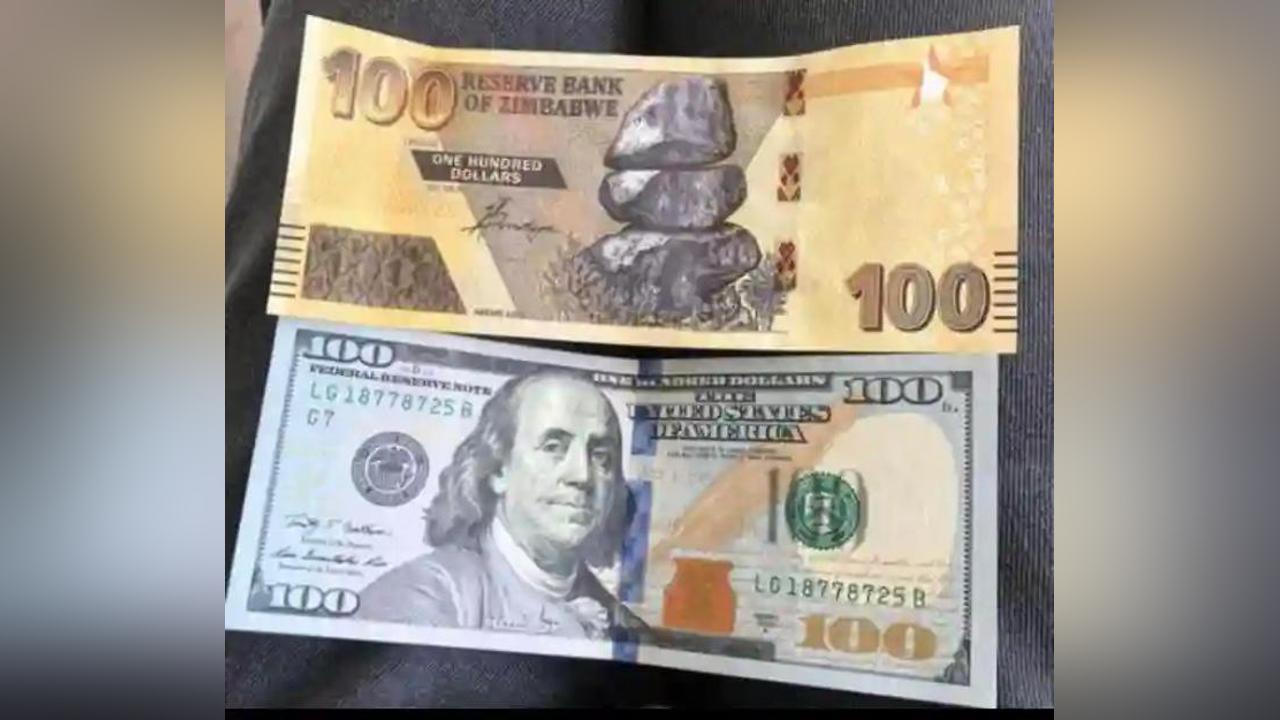
Walking through a supermarket in Harare today feels a bit like a high-stakes math olympiad. You’ve got your phone out, scrolling for the latest rates, while the person behind you is trying to figure out if they should pay in "ZiG" or greenbacks. Honestly, the Zimbabwe US dollar exchange rate is more than just a number on a screen. It’s a daily survival metric.
As of mid-January 2026, the official interbank rate is hovering around 25.60 ZiG to 1 USD. If you’re looking at the Reserve Bank of Zimbabwe (RBZ) boards, that’s the "anchor." But if you’ve spent any time on the ground, you know the official rate and the "street" rate are two very different animals.
The Reality of the ZiG vs. the Greenback
The Zimbabwe Gold (ZiG), introduced back in April 2024, was supposed to be the "final" fix. It’s a structured currency, backed by actual gold and foreign currency reserves. For a while, it seemed to hold its breath. Then came the September 2024 devaluation, where the central bank basically admitted the gap between the official rate and the market was too wide to ignore, slashing the value by over 40% in a single day.
Since then, RBZ Governor John Mushayavanhu has been on a crusade to build trust. By January 2026, foreign exchange reserves have climbed to roughly $1.1 billion. That sounds like a massive win, but when you realize it only covers about 1.2 months of imports, the confidence starts to feel a little thin.
- Official Rate: ~25.61 ZiG per USD.
- Parallel Market: Often carries a premium, though the gap has narrowed compared to the wild 300% spreads of the old ZWL era.
- The "Change" Problem: Shops still struggle with coins. If your bill is $10.50 and you hand over a $20 bill, don't be shocked if you're offered a chocolate bar or a credit note instead of 50 cents.
Why the Rate Won't Stay Still
The government wants a "mono-currency" system by 2030. They want the USD gone from local shops. But right now, the USD still handles about 60% to 70% of transactions. It’s the "trust" currency. People keep their savings in USD because every $100 saved in local currency last year would be worth significantly less today due to the "base effect" of inflation.
Interestingly, gold prices are doing some heavy lifting. With gold trading near $4,500 per ounce in early 2026, the backing for the ZiG is technically stronger than it was at launch. But global economics don't always play nice with local sentiment.
The Hidden Factors
- Agriculture Cycles: Zimbabwe is expecting a stronger harvest in 2026. This usually means fewer USD leaving the country to buy food, which takes some pressure off the exchange rate.
- Diaspora Remittances: This is the secret engine. Billions flow in from Zimbabweans in South Africa, the UK, and the US. It keeps the "street" liquid even when the banks are dry.
- The 2026-2030 Strategic Plan: The RBZ just launched a new five-year plan. They’re aiming for single-digit inflation this year. It's an ambitious goal, considering annual inflation was still hitting high double digits just a few months ago.
Navigating the Market: A Practical Look
If you're a business owner or just trying to send money home, the Zimbabwe US dollar exchange rate isn't a static target. It’s a moving one.
Most formal retailers are legally required to use the official interbank rate plus a small 10% margin. Informal markets? They do whatever they want. You'll see "weighted" prices where a loaf of bread costs one price in ZiG and a noticeably different price in USD. It’s messy. It’s confusing. It’s uniquely Zimbabwean.
The International Monetary Fund (IMF) has been watching this like a hawk. They keep pushing for a "free float," meaning the market should decide the price, not a committee in a boardroom. The RBZ is hesitant. They remember the hyperinflation of 2008. They remember the 2019 collapse. They’re trying to manage the descent, but the market usually has a mind of its own.
What to Watch for Next
Keep an eye on the gold royalty rates. The government decided not to hike them to 10% yet, waiting for gold to hit $5,000. This is a smart move to keep artisanal miners selling through official channels. If that gold stops flowing into the central bank, the ZiG loses its "shield," and the Zimbabwe US dollar exchange rate could spike overnight.
Actionable Insights for 2026
- For Savers: Diversification remains king. While the ZiG is more stable than the old dollar, the USD is still the preferred "store of value" for a reason.
- For Businesses: Pricing in ZiG requires daily monitoring of the RBZ’s "Mid Rate." Using outdated rates for even 48 hours can eat your entire profit margin.
- For Travelers: Carry small USD denominations ($1, $5, $10). Large bills are a nightmare to break because of the aforementioned "change" crisis.
The story of the exchange rate in Zimbabwe is far from over. It’s a tug-of-war between a government trying to reclaim its monetary sovereignty and a population that has learned—through decades of hardship—that the only currency you can truly trust is the one you can spend anywhere in the world.
To stay ahead, track the weekly RBZ auction results and monitor the gold price index. These two factors will dictate your purchasing power more than any political speech or policy document could.