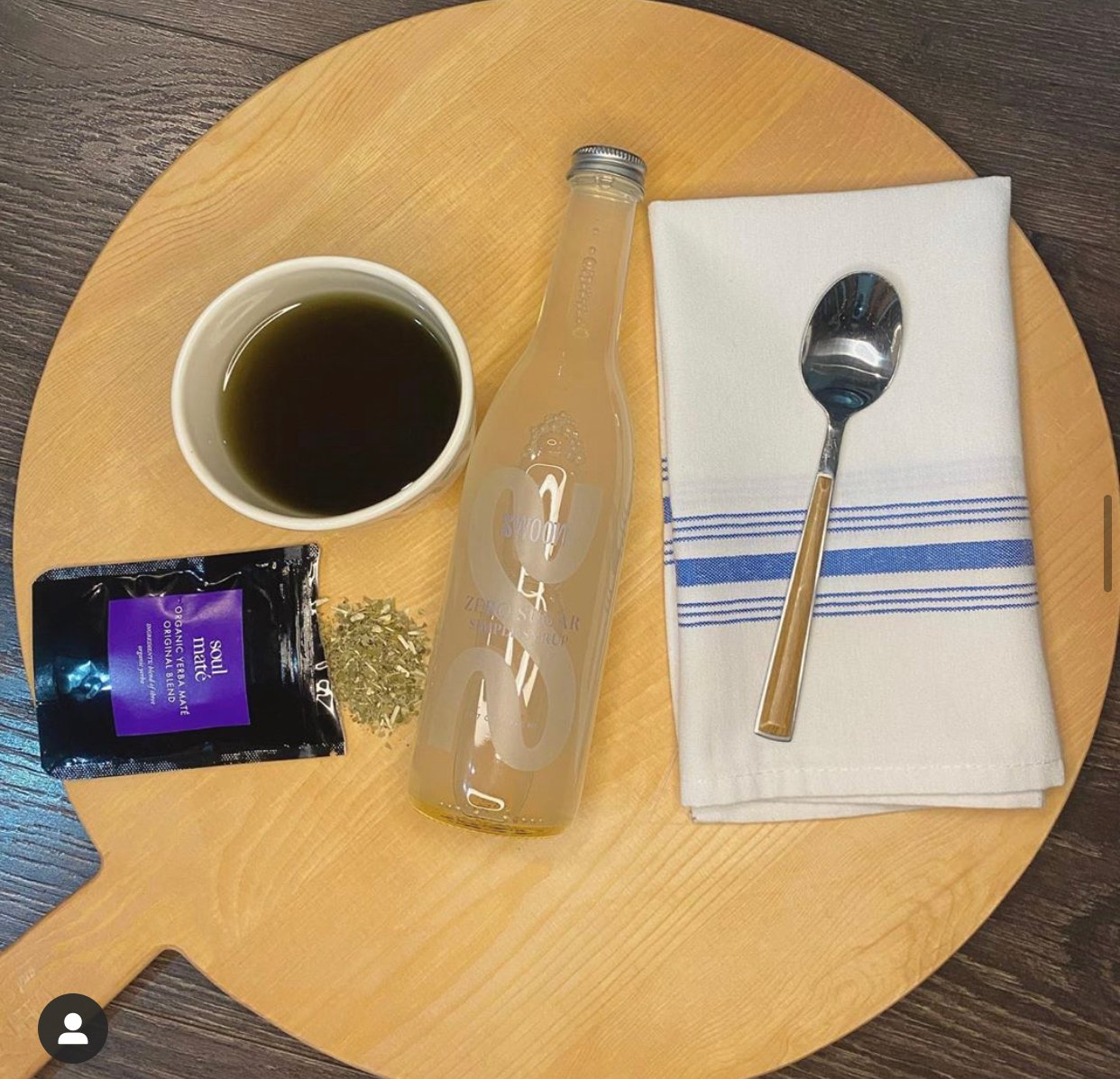
You're standing over the stove. You’ve got your bag of monk fruit or erythritol, and you’re trying to make a cocktail that won't give you a massive insulin spike. It seems easy. Water plus sweetener equals syrup, right? Wrong. If you’ve ever tried to make zero sugar simple syrup at home, you’ve probably ended up with a jar of rock-hard crystals sitting in your fridge forty-eight hours later. It’s frustrating. It's a waste of expensive ingredients. Honestly, it’s why most people just give up and buy the bottled stuff that tastes like chemicals and plastic.
But here’s the thing. You can actually make a version that stays liquid. You just have to stop treating it like real sugar.
Sucrose—the stuff in the white bags—is a molecular miracle. It dissolves beautifully and stays that way because of its chemical structure. When we swap that for sugar alcohols or natural high-intensity sweeteners, we're playing a completely different game. Most people fail because they try to do a 1:1 ratio. That works for sugar. It's a disaster for erythritol.
The Science of Why Zero Sugar Simple Syrup Fails
Sugar alcohols have a lower solubility point. This is the "Aha!" moment most home bartenders miss. If you heat up water, you can force more sweetener to dissolve than the water can naturally hold at room temperature. This is called a supersaturated solution. As soon as that water cools down, those molecules are looking for any excuse to jump out of the liquid and turn back into a solid. One tiny grain of undissolved powder on the side of your pot can trigger a chain reaction that ruins the whole batch.
Erythritol is the biggest offender here. It’s popular because it’s cheap and easy to find, but its solubility in water is pretty pathetic compared to table sugar. At room temperature, you can only dissolve about 13 grams of erythritol in 100ml of water. For context, you can dissolve over 200 grams of white sugar in that same amount. You see the problem? If you try to make a "rich" 2:1 syrup with erythritol, it’s going to turn into a brick.
Allulose is the secret weapon. It’s a "rare sugar" found in figs and raisins. Unlike erythritol, it actually behaves like sugar because, well, it is a sugar—it just isn't metabolized by your body the same way. It doesn't crystallize easily. It even carmelizes. If you're tired of the "cooling effect" of other sweeteners, allulose is the answer.
The Xanthan Gum Trick
Commercial brands like Jordan’s Skinny Syrups or Torani SF don't just use water and sweetener. They use thickeners. When you remove sugar, you lose the "mouthfeel." Your syrup feels like flavored water. It’s thin. It’s sad.
To fix this, you need a stabilizer. Xanthan gum is the standard. You only need a tiny, tiny bit—we’re talking 1/8th of a teaspoon for a whole cup of syrup. It provides that viscous, silky texture that coats the back of a spoon. Without it, your sugar-free Old Fashioned is going to feel watery and weak.
How to Actually Build a Recipe That Works
Stop boiling your water. Seriously. If you boil the water and evaporate it, you're changing the ratio of liquid to solid, making crystallization even more likely. You want to heat the water just enough to get everything to incorporate.
- Start with 1 cup of filtered water.
- Add 1/2 cup of Allulose (or a blend of Allulose and Monk Fruit).
- Use a whisk. Do not stop whisking.
- Add a pinch of salt. It sounds weird, but it cuts the weird aftertaste some sweeteners have.
- If you're using xanthan gum, don't just dump it in. It will clump into "fish eyes." Blend it with the dry sweetener first, or use a hand blender once it's in the water.
Let’s talk about the "cooling effect." You know that sensation when you eat a peppermint and your mouth feels cold? Erythritol does that even when there's no mint. It’s an endothermic reaction—the molecules literally suck heat out of your tongue as they dissolve. To minimize this in your zero sugar simple syrup, you have to blend your sweeteners. A mix of Allulose, Monk Fruit, and maybe a touch of Stevia glycerite usually creates the most balanced flavor profile.
Flavoring Beyond Vanilla
Most people stick to the basics. But if you’re making this at home, you can go way further. Fresh ginger. Dried hibiscus flowers. Cardamom pods. Since you aren't dealing with the preservative qualities of high-concentration sugar, you have to be careful with perishables. If you steep fresh ginger in your syrup, it's only going to last about a week in the fridge.
Want it to last longer? Add a teaspoon of vodka. It’s not enough to make the drink alcoholic, but it acts as an antimicrobial agent. It’ll give you an extra week or two of shelf life.
The Commercial vs. Homemade Debate
Is it worth the effort? Honestly, sometimes it isn't. If you just want a quick pump of vanilla in your morning coffee, buying a bottle of Monin Zero Calorie is fine. It’s convenient. It’s consistent.
But if you care about cocktails, the store-bought stuff is usually a nightmare. Most commercial sugar-free syrups are sweetened with Sucralose (Splenda). Sucralose is incredibly sweet, but it has a lingering, metallic finish that clobbers the delicate notes of a good gin or a high-end bourbon.
When you make your own zero sugar simple syrup with Allulose, you get a clean finish. You actually taste the botanical notes of the liquor. Plus, you avoid the preservatives like Sodium Benzoate that give some people headaches.
Why Glycerin Matters
Vegetable glycerin is another "pro" ingredient you won't find in most Pinterest recipes. It’s a sugar alcohol, but it’s a liquid. Adding a tablespoon to your batch does two things: it adds a massive amount of body (thickness) and it acts as an "anti-freeze" for crystals. It prevents the other sweeteners from linking back together. If you want a syrup that feels like a 2:1 Demerara syrup, glycerin is your best friend.
Common Pitfalls and How to Pivot
Maybe you already made a batch and it’s cloudy. Don't throw it out. Cloudiness usually means you didn't get the sweetener fully dissolved, or you used a monk fruit blend that contains bulking agents like maltodextrin.
Check your labels. Many "Monk Fruit" sweeteners at the grocery store are actually 99% Erythritol. If the label says "1:1 Sugar Replacement," it has a bulking agent. You want the pure stuff for syrups, or a blend specifically designed for solubility.
If your syrup has already crystallized in the fridge, you can save it. Put the jar in a bowl of hot water—a bain-marie. Let it gently warm up until the crystals disappear. Once they're gone, add a tablespoon of water and a half-teaspoon of lemon juice or cream of tartar. The acid helps keep the molecules from rebonding. It's a classic candy-making trick adapted for the keto world.
Real World Usage: Not Just for Drinks
Don't limit this stuff to the bar cart.
- Baking: Use it to soak sponge cakes to keep them moist without adding carbs.
- Fruit Salad: A light drizzle over berries makes them glossy and brings out their natural juices.
- Yogurt: Stir it into plain Greek yogurt to avoid the "fruit on the bottom" sugar bombs.
The reality is that sugar-free living doesn't have to taste like a compromise. It just requires a little more chemistry than the standard recipes suggest. You're not just cooking; you're managing solubility and molecular interference.
Your Move: The 3-Step Success Plan
If you're ready to stop drinking watery, bitter coffee and start making real-deal syrups, do this:
- Source the right ingredients. Order a bag of Allulose. It’s harder to find in local grocery stores but it is the absolute gold standard for sugar-free liquids. Avoid anything with maltodextrin or dextrose as they will spike your blood sugar anyway.
- Master the "Small Batch" first. Don't make a liter of syrup on your first try. Make a half-cup. Practice getting the xanthan gum incorporated without clumping. See how the flavor changes after 24 hours in the fridge—sweetness levels often shift as the liquid matures.
- Experiment with Acids. A drop of phosphoric acid or just a squeeze of fresh lemon juice changes the way your taste buds perceive sweetness. It makes the syrup taste "bright" rather than just "sweet."
Stop settling for the stuff in the tan plastic bottles. Get a glass swing-top bottle, some high-quality Allulose, and a scale. Weigh your ingredients instead of using cups. 100g of water and 50g of Allulose is a much more reliable way to ensure your zero sugar simple syrup stays perfect every single time.
Once you nail the base, start throwing in some toasted pecans or dried lavender. The possibilities are actually pretty endless once you get the physics of it right. No more crystals. No more weird aftertastes. Just better drinks.