You're standing in the fluorescent-lit aisle of a Vitamin Shoppe or scrolling through Amazon, looking at a wall of plastic tubs and Tetra Paks. Every single one of them screams about muscle recovery. Most of them also scream about being "Zero Sugar." It sounds like the perfect deal, right? You get the protein your biceps need without the insulin spike that'll give you a spare tire by Friday. But honestly, most people are looking at these things all wrong.
Let's be real. Zero sugar protein shakes are basically a laboratory feat of engineering. To make something taste like a Triple Chocolate Brownie without using a single gram of sucrose, scientists have to play a very specific game with your taste buds. Sometimes they win. Sometimes your digestive system loses.
It’s not just about avoiding calories. It’s about what’s filling the gap. When you strip away the sugar, you aren’t just left with "nothing." You’re left with a cocktail of sucralose, stevia, monk fruit, or sugar alcohols like erythritol. If you’ve ever felt like your stomach was inflating like a parade float twenty minutes after a workout, you’ve met the dark side of the sugar-free world.
The Chemistry of "Sweet" Without the Calories
We need to talk about the "Zero" in zero sugar protein shakes. It’s a bit of a marketing sleight of hand. Under FDA guidelines, if a serving has less than 0.5 grams of sugar, it can be rounded down to nothing.
But what’s actually making it sweet?
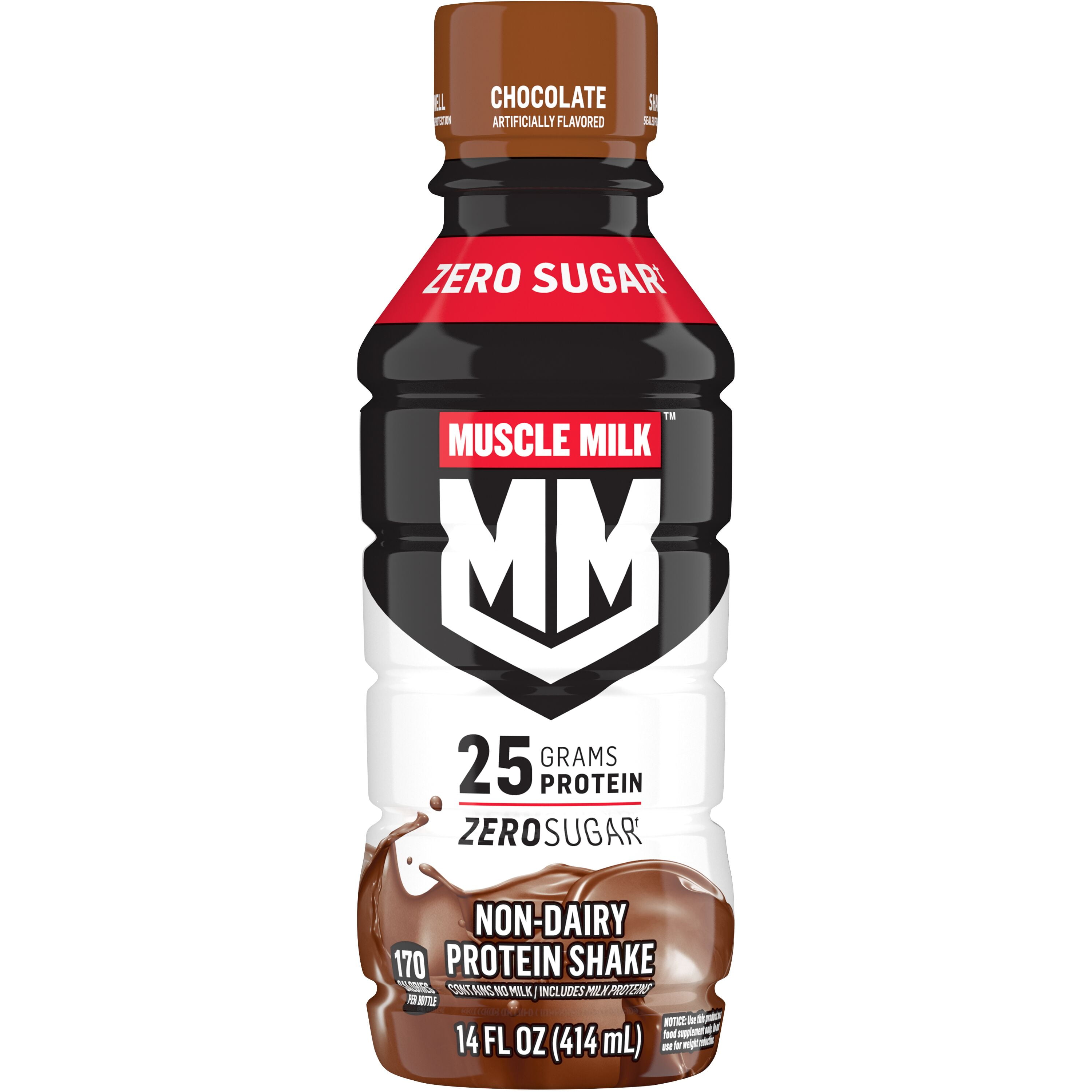
Most mainstream brands like Muscle Milk Zero or Premier Protein rely heavily on Sucralose and Acesulfame Potassium (Ace-K). These are synthetic. They’re hundreds of times sweeter than table sugar. The problem is that they can mess with your "sweetness threshold." Basically, you’re training your brain to expect an explosion of sweetness that doesn't exist in nature. This is why a real apple starts to taste like cardboard if you’re chugging two of these shakes a day.
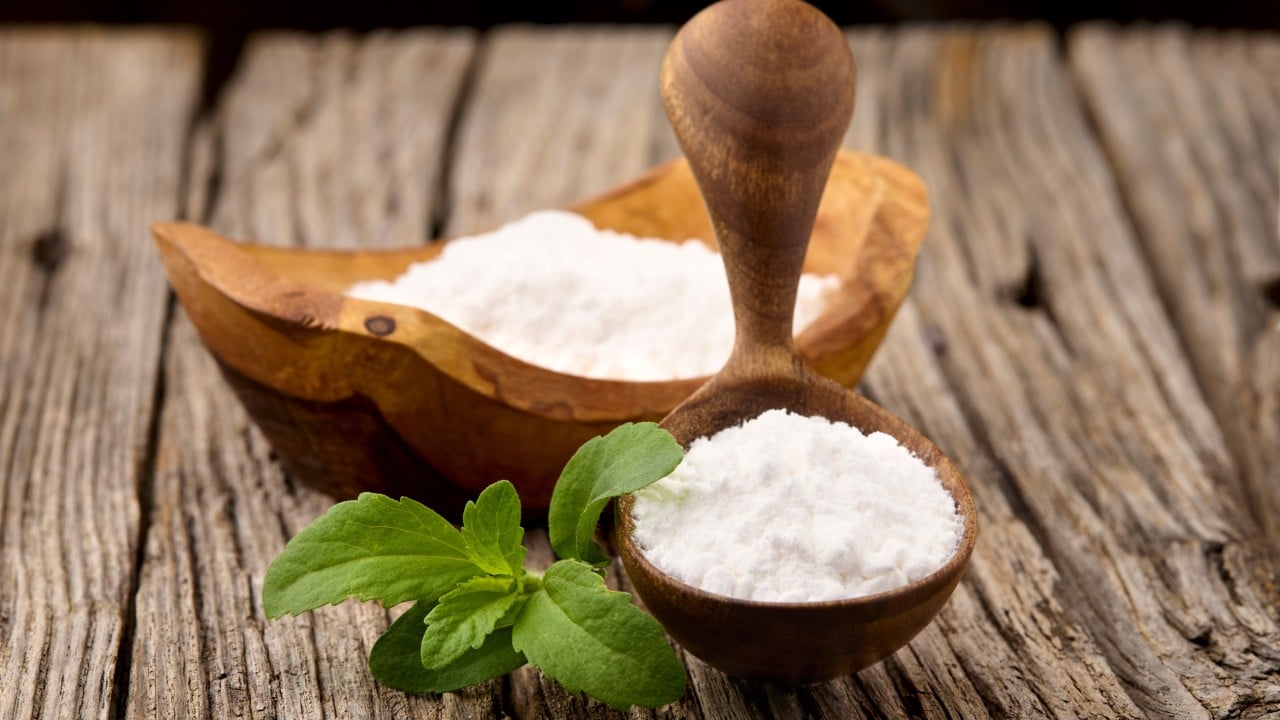
Then you’ve got the "natural" camp. These guys use Stevia or Monk Fruit.
Stevia is interesting because it’s a plant, but it has this weird, metallic aftertaste that some people absolutely despise. Researchers have actually looked into this—it’s a genetic thing, similar to how cilantro tastes like soap to some folks. If you have the "bitter gene," stevia-sweetened zero sugar protein shakes will taste like you're licking a copper penny.
Why Your Gut Is Probably Grumbling
Here is the part the influencers don't mention in their "What I Eat in a Day" videos. Sugar alcohols.
Erythritol is the big one lately. It’s technically a carb, but your body doesn't really digest it, so it’s calorie-free. However, because it isn't absorbed in the small intestine, it travels down to the large intestine. The bacteria there have a field day. They ferment it.
The result?
Bloating. Gas. Occasional, urgent trips to the bathroom.
A 2023 study published in Nature Medicine even raised some eyebrows about erythritol's connection to cardiovascular events, though the fitness industry is still debating the nuances of that one. The point is, "zero sugar" doesn't mean "zero impact" on your physiology. It’s a trade-off.
Case Study: The Ready-to-Drink (RTD) Convenience Trap
Think about the last time you grabbed a cold shake from the gym fridge.
Brands like Fairlife Core Power have changed the game because they use ultra-filtered milk. They’re technically removing the lactose (which is milk sugar) to get those numbers down. It’s a brilliant piece of food tech. You get a creamy texture without the "sugar" label.
But compare that to a cheap tub of discount whey.
The cheap stuff often uses "fillers" to make up for the lack of sugar. They’ll use maltodextrin—which is technically a complex carbohydrate, but it has a higher glycemic index than actual sugar. So, you’re drinking a zero sugar protein shake that spikes your blood sugar faster than a Snickers bar. It’s a loophole. It’s a way for companies to put "0g SUGAR" on the front of the pack while still giving you a metabolic rollercoaster on the back.
You have to be a detective. If maltodextrin is in the top three ingredients, put the bottle back.
Does It Actually Build Muscle?
The short answer is yes. Protein is protein. Your muscles don't care if the leucine and valine they're receiving came from a shake that tasted like a stevia leaf or a bag of cane sugar.
However, there is a nuance to timing.
After a brutal leg day, your muscle glycogen is depleted. Usually, you want a little bit of insulin to help shuttle those amino acids into the muscle cells. Insulin is an anabolic hormone. By opting for zero sugar protein shakes immediately post-workout, you might actually be slowing down the recovery process slightly compared to someone having a moderate-carb shake.
If you're on a ketogenic diet, the zero-sugar option is mandatory. But if you're a high-intensity athlete? You might be doing yourself a disservice by being too afraid of a little glucose when your body actually needs the fuel.
The Quality Gap: Whey Isolate vs. Concentrate
When you go sugar-free, the source of the protein matters more than ever.
- Whey Protein Concentrate: This is the "dirty" version. It’s cheaper. It still contains some lactose and fats. If a brand claims to be zero sugar but uses a low-grade concentrate, they’re probably using heavy flavorings to mask the funky dairy taste.
- Whey Protein Isolate: This is the gold standard for sugar-free fans. It’s processed further to strip out almost all the carbs and fats. It’s usually 90% protein or higher. It’s thin, it’s light, and it mixes well.
If you’re sensitive to dairy, even "zero sugar" shakes can cause acne or digestive issues because of the IGF-1 (Insulin-like Growth Factor) found in milk. Some people find that switching to a zero-sugar plant-based protein—like pea or rice protein—clears up their skin within weeks.
Honestly, the plant stuff has come a long way. Ten years ago, drinking a vegan sugar-free shake was like drinking liquid sand. Now? With the right blend of pumpkin seed and pea protein, it’s actually drinkable.
The Hidden Additives Nobody Talks About
Check your label for "carrageenan" or "cellulose gum."
These are thickeners. Since sugar and fat provide "mouthfeel," manufacturers have to add these gums to make a zero sugar protein shake feel like a milkshake and not like watery chalk.
Some studies suggest that carrageenan can trigger inflammation in the gut. If you have IBS or a sensitive stomach, these thickeners are often the real culprit behind your discomfort, not the protein itself. Look for "gum-free" options if you want to be safe, though they are harder to find and usually more expensive.
Expert Strategies for Your Next Purchase
Don't just buy the one with the coolest label.
First, check the protein-to-calorie ratio. A good zero sugar protein shake should have about 20-30 grams of protein for every 120-150 calories. If the calories are creeping up to 250 but there's still "zero sugar," there’s a lot of hidden fat or thickeners in there.
Second, look at the sweetener blend. A mix of Stevia and Erythritol is generally the most "natural" tasting and easiest on the blood sugar, provided you don't overdo the erythritol.
Third, check for Third-Party Testing.
The supplement industry is notoriously under-regulated. Look for labels like NSF Certified for Sport or Informed-Choice. These logos mean an independent lab actually verified that what’s on the label is in the bottle. You’d be shocked how many "zero sugar" products actually contain trace amounts of undeclared sugars or, worse, heavy metals like lead and arsenic.
Making Your Own: The Better Alternative?
If you have five minutes, making your own is almost always better.
Get a high-quality, unflavored whey isolate. Add a dash of cinnamon. Use a splash of unsweetened almond milk. Maybe a drop of vanilla extract.
You control the sweetness. You control the thickeners.
But I get it. Life is fast. Sometimes you’re at a gas station at 4 PM and you haven't eaten since breakfast. In that case, a pre-made zero sugar protein shake is a massive win over a bag of chips or a candy bar. It’s all about the context of your day.
The Verdict on Daily Use
Should you drink these every day?
Moderation is a boring word, but it fits here. If you're replacing three meals a day with shakes, you're missing out on micronutrients and fiber that you can only get from whole foods. Your jaw muscles actually need to chew things to maintain bone density—that's a weird fact, but it's true.
However, as a tool for weight loss? They are incredibly effective.
High protein intake is the most "satiating" thing you can do for your body. It keeps you full. It stops the late-night fridge raids. If a zero sugar protein shake keeps you from eating a sleeve of Oreos at 10 PM, then it’s a health food in my book. Just pay attention to how your body reacts. If you're gassy, bloated, or getting breakouts, the "zero" on the label isn't worth the price you're paying.
Actionable Next Steps
- Audit your current shake: Flip the bottle over right now. If "Maltodextrin" or "Polydextrose" are listed before the protein, finish the bottle and never buy that brand again.
- The 24-Hour Test: Try a shake with a different sweetener. If you usually drink sucralose-based shakes, switch to a monk fruit version for two days. Notice if your energy levels or digestion change.
- Prioritize Isolate: If you are cutting weight, specifically look for "Whey Protein Isolate" rather than "Whey Protein Blend." The purity is worth the extra five bucks.
- Watch the Sodium: Many sugar-free products use extra sodium to enhance flavor. If you find yourself holding water weight, check the milligrams of salt in your daily shake.
- Mix it up: Don't rely on the same brand for months. Rotating your protein sources (whey, casein, collagen, pea) ensures you get a wider amino acid profile and prevents you from developing a sensitivity to a specific sweetener.
By being a skeptical consumer, you can use these tools to your advantage without falling for the marketing hype. A shake is just a supplement—it’s meant to supplement a diet of real food, not replace it.