Honestly, the cereal aisle used to be a nutritional wasteland. You had two choices: cardboard-flavored flakes that turned to mush in thirty seconds or neon-colored loops that were basically dessert in a bowl. Most people think cereals with no sugar have to taste like nothing, but that’s just not the reality anymore. Food tech has moved fast. If you’re looking to cut the sweet stuff without hating your breakfast, you have to understand that the game has completely changed. It’s not just about what isn’t there—it's about what replaced it.
The push for sugar-free options isn't just a fad; it’s a response to some pretty alarming data. According to the American Heart Association, the average adult consumes about 77 grams of sugar per day. That is triple the recommended amount for women. Cereal is one of the biggest "stealth" sources. You think you're being healthy with "Honey Oat" or "Fruit Medley," but you're often hitting 12 to 15 grams of added sugar before you've even finished your first cup of coffee. Switching to a zero-sugar base changes your metabolic response for the entire day.
Why cereals with no sugar are finally edible
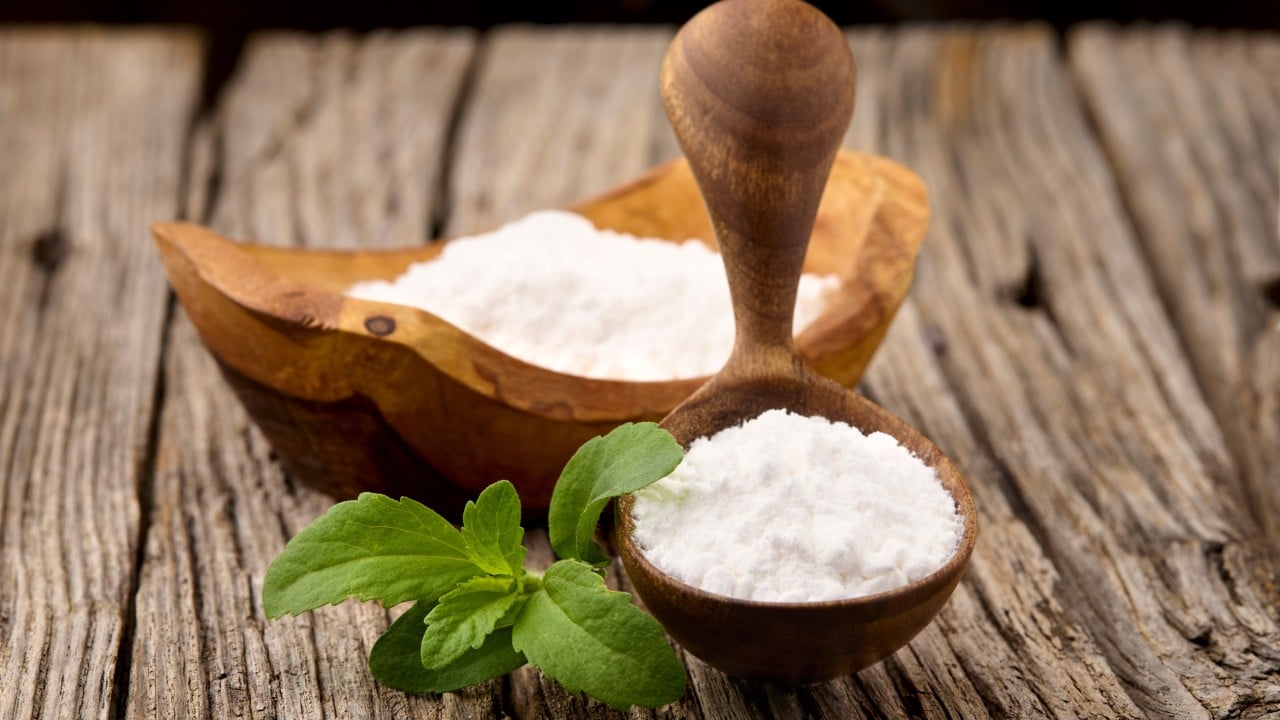
For decades, the problem was the sweetener. Stevia used to leave this weird, metallic aftertaste that lingered for hours. Then came erythritol, which was better but gave some people digestive issues if they ate too much. Now, we’re seeing brands like Magic Spoon, Three Wishes, and Catalina Crunch use allulose and monk fruit. These are game-changers. Allulose is a "rare sugar" found in figs and raisins. It behaves like sugar in your mouth but your body doesn't metabolize it the same way. It doesn't spike your insulin.
It's also about the base. Traditional cereal is mostly corn or wheat flour. These are simple carbs that turn into sugar anyway. Modern cereals with no sugar often use pea protein, chickpea flour, or milk protein isolates. This gives you a crunch that actually holds up against milk. Nobody wants soggy breakfast.
The grit factor
You’ve probably noticed that some keto cereals feel a bit "gritty." That’s usually the fiber content. Brands are trying to hit high fiber counts to lower the "net carb" total. This is great for your gut microbiome, but it can be a shock to the system if you aren't used to it. Brands like Seven Sundays avoid the processed protein powders and stick to cassava root and nuts. It’s a different mouthfeel—more like a dense granola—but it feels like real food.
The sneaky labels you have to watch out for
Don't trust the front of the box. Marketing departments are paid a lot of money to make you think a product is healthy. "No Added Sugar" does not mean "No Sugar." If a cereal is made with concentrated fruit juice or dates, it still has a high glycemic load. Your liver doesn't care if the fructose came from a lab or a pear; it still has to process it.
Look for the "Total Sugars" line on the back. If it says 0g, you're golden. But then look at the "Sugar Alcohols" or "Allulose" section. These are usually subtracted from the total carbs to give you the net carb count. It’s a bit of a math puzzle. For example, a serving of Catalina Crunch might have 14g of total carbs, but with 9g of fiber and 0g of sugar, the impact on your blood sugar is minimal.
Maltodextrin: The hidden villain
Some "sugar-free" products use maltodextrin as a thickener or filler. Here is the kicker: maltodextrin has a higher glycemic index than table sugar. It can spike your blood glucose faster than a spoonful of white sugar would. If you see this in the ingredients list, put the box back. It’s a loophole that many legacy brands use to keep the "0g Sugar" claim while still triggering that sweet-craving response in your brain.
Real talk: Which ones actually taste like childhood?
If you grew up on Cocoa Puffs or Froot Loops, you’re looking for a specific kind of nostalgia. You want that hit of flavor and the milk to change color. Magic Spoon is the heavy hitter here. They’ve managed to recreate flavors like Fruity, Cocoa, and Peanut Butter using milk protein. It’s expensive—sometimes $10 a box—but for people managing diabetes or a strict keto diet, it’s a lifesaver.
Then there is the "adult" cereal category. Think Kashi Go Zero or Special K Zero Sugar. These aren't trying to be candy. They are crunchy, slightly toasted, and work well if you like adding your own toppings like fresh raspberries or walnuts.
The cost of health
Let’s be real. Eating cereals with no sugar is a luxury. A standard box of generic toasted oats is maybe $3. The high-protein, zero-sugar alternatives are often double or triple that price. Why? Because sugar is cheap. Corn is cheap. Pea protein isolates and monk fruit extract are not. You have to decide if the price tag is worth the health trade-off. For many, avoiding the "sugar crash" at 10:00 AM makes it worth every penny.
How to fix the "bland" problem
Sometimes, even the best sugar-free cereal needs a boost. You don't have to eat it dry and depressing.
- The Milk Choice: If you’re using unsweetened almond milk, the whole bowl can taste a bit thin. Try unsweetened soy milk or pea milk (like Ripple) for a creamier texture.
- The Spice Rack: A shake of cinnamon or a drop of vanilla extract goes a long way. Cinnamon actually helps with insulin sensitivity, so it’s a double win.
- Salt: It sounds weird, but a tiny pinch of sea salt makes the cocoa or vanilla flavors pop. It cuts through the "fake" sweetness of monk fruit.
- The Berry Hack: Freeze-dried strawberries give you that crunch and tartness without the massive sugar hit of dried raisins or cranberries.
The Science of Satiety
One of the biggest reasons to switch to cereals with no sugar isn't actually the sugar itself—it's the protein. Standard cereal is "empty." You eat a bowl, your blood sugar spikes, your body pumps out insulin, your blood sugar crashes, and you're starving an hour later. This is the "cereal cycle."
When you eat a cereal like Three Wishes (which uses chickpeas and pea protein), you're getting 8g of protein and 3g of fiber per serving. This slows down digestion. You feel full. You don't reach for a snack before lunch. Dr. Robert Lustig, a pediatric endocrinologist and author of Fat Chance, has long argued that fiber is the "antidote" to sugar. By removing the sugar and amping up the fiber, you're essentially fixing the broken mechanics of the modern breakfast.
Myths about Sugar Substitutes
You'll hear people claim that all sweeteners are toxic. The research is nuanced. While some older studies on rats suggested issues with saccharin, modern sweeteners like erythritol and monk fruit are generally recognized as safe by the FDA and EFSA. Some people do experience bloating. This is because sugar alcohols can ferment in the gut. If you have a sensitive stomach, look for brands that use only monk fruit or stevia rather than large amounts of erythritol.
Another myth: "Sugar-free means I can eat the whole box." Calories still count. A bowl of keto cereal can still be 200-300 calories. If you eat four bowls, you’re still in a massive caloric surplus. It’s better for your blood sugar, sure, but it’s not a "free" food.
Taking the Next Steps for Your Breakfast
Making the switch to cereals with no sugar doesn't have to happen overnight. You can start by mixing your old favorite 50/50 with a sugar-free version. This lets your taste buds adjust to the lower sweetness levels. Over a couple of weeks, you'll find that regular cereal actually tastes cloying and chemically sweet.
Actionable Advice for your next grocery trip:
- Scan the Ingredient List: Look for "Allulose" or "Monk Fruit" if you want the best taste.
- Check the Protein: Aim for at least 8g per serving to ensure you actually stay full.
- Avoid Maltodextrin: Don't let the "0g Sugar" label fool you if this ingredient is present.
- Trial the Samples: Many of these brands (like Magic Spoon) sell variety packs online. Don't commit to a 4-pack of one flavor until you know you like it.
- Mind the Fiber: If you aren't used to high fiber, start with a small portion to avoid digestive discomfort.
The reality is that breakfast can be both fast and functional. You don't have to cook an omelet every morning to stay healthy. By choosing the right cereals with no sugar, you're reclaiming your morning energy and avoiding the mid-morning slump that has defined the office worker experience for decades. It's a small change, but the cumulative effect on your metabolic health is massive.
Start by swapping out just one box this week. Your energy levels at 11:00 AM will tell you everything you need to know.