You’re standing in the grocery aisle, staring at a package of tortillas that claims to have zero net carbs. It feels like a glitch in the matrix. How can something made of flour—or at least looking exactly like flour—not count toward your daily carb limit? If you've ever tried keto or a low-carb lifestyle, you know the "bread ache" is real. You want a taco. You want a wrap. But you don't want the blood sugar spike that usually comes with it.
Honestly, the rise of zero net carb tortillas has been a total game-changer for the metabolic health community, but there is a lot of nuance that people miss. It isn't just magic. It’s chemistry. Specifically, it’s the heavy lifting done by modified wheat starch and vital wheat gluten.
Manufacturers like Mission, La Banderita, and Guerrero have flooded the market with these "zero" options lately. They’re everywhere. But before you start eating five of them in one sitting, we need to talk about what "net carb" actually means in the context of your gut health and why your glucose monitor might tell a different story than the nutrition label.
The Math Behind the Zero
Let’s get the technical stuff out of the way. The "net carb" calculation is basically: Total Carbs minus Fiber minus Sugar Alcohols.
In most zero net carb tortillas, the total carb count is actually quite high—often around 7g to 10g per small tortilla. However, the fiber count is exactly the same. When you subtract 7g of fiber from 7g of total carbs, you get zero.
The hero (or villain, depending on your digestion) here is Resistant Starch.
Companies use ingredients like Modified Wheat Starch. This isn't your standard white flour. It's treated so that your small intestine can’t easily break it down into glucose. Instead, it travels to the large intestine. There, it acts more like a prebiotic, feeding your gut bacteria.
It sounds perfect. But here is the catch: not everyone's body treats "resistant" starch the same way. Some people find that their blood sugar still creeps up. Why? Because "resistant" doesn't always mean "totally inert."
The Cellulose Factor
Have you ever looked at the back of the package and seen "Cellulose Powder"? That's basically wood pulp. It's a common food additive used to add bulk and fiber without adding calories. It's totally safe and FDA-approved, but it’s a far cry from the stone-ground corn tortillas you find at a street taco stand.
Then there is Vital Wheat Gluten. This is the protein found in wheat. It gives the tortilla that stretchy, chewy texture that's usually missing from gluten-free or almond-flour alternatives. If you have a gluten sensitivity, these tortillas are basically your kryptonite, even if the carb count is low.
Why Your Body Might React Differently
I've seen people on Reddit and in keto forums get frustrated because they stopped losing weight after introducing these wraps.
It’s rarely about the carbs themselves. It’s often about the Inflammatory Response.
Many of these products use highly processed oils like soybean oil or canola oil. While these are "carb-neutral," they are high in Omega-6 fatty acids. If you’re eating three wraps a day, you’re hitting your systemic inflammation levels pretty hard.
Also, the fiber. Good lord, the fiber.
Most people don't eat 30 grams of fiber in a single meal. If you eat two or three zero net carb tortillas, you are dumping a massive amount of fiber into a digestive tract that might not be prepared for it. The result? Bloating. Discomfort. Let's just say you won't be fun to be around for a few hours.
Real-World Glucose Testing
People like Thomas DeLauer and various health influencers have done "n=1" experiments using Continuous Glucose Monitors (CGMs). The results are mixed.
- Group A: Sees almost no spike. Their body treats the fiber exactly as advertised.
- Group B: Sees a slow, steady rise in blood sugar that stays elevated for hours.
This happens because some "modified" starches are more digestible than others. If the heat-treatment process used to create the starch isn't perfect, your body will find a way to turn some of those carbs into fuel.
Comparing the Big Players
If you're going to buy these, you should know that they are not created equal.
Mission Zero Net Carb is the king of the mountain right now. They use a blend of modified wheat starch and wheat gluten. The texture is frighteningly close to a "real" tortilla. It’s soft, it folds well, and it doesn't crack. But it’s very heavy on the processed additives.
La Banderita Carb Counter is the cult favorite. Many low-carb veterans swear these taste better and have a "cleaner" finish. They still rely heavily on cellulose and gums (like guar gum and xanthan gum) to hold everything together.
Then you have the Almond Flour or Coconut Flour tortillas, like those from Siete. Wait. Those aren't zero carb. Siete tortillas usually have 10-15g of net carbs.
This is where people get confused. They think "Grain-Free" means "Carb-Free." It doesn't. If you want true zero net carb tortillas, you almost always have to go back to the modified wheat products. It’s a trade-off: do you want "clean" ingredients with more carbs, or "dirty" keto ingredients with zero carbs?
The Satiety Trap
One thing nobody talks about is how these affect your hunger.
When you eat a whole food—like an avocado or a steak—your brain gets clear signals that you are full. Highly processed fibers don't always trigger those same satiety hormones.
You might find yourself eating a "zero carb" wrap and feeling hungry twenty minutes later. This is often because the "bulk" of the fiber fills your stomach physically, but the lack of nutrient density fails to satisfy your brain's nutritional "checklists."
Texture and Cooking Tips
If you've tried these and hated them, you’re probably eating them cold. Don't do that. Straight out of the bag, zero-carb wraps can feel a bit like damp cardboard or thin rubber.
- The Dry Pan Method: Throw it on a hot cast-iron skillet for 30 seconds per side. No oil. You want those little brown "leopard spots." This changes the molecular structure of the gums and makes it much more pliable.
- The Air Fryer Trick: Brush a tiny bit of avocado oil on them and air fry for 2 minutes. They turn into decent (not great, but decent) tostada shells.
- The Moist Paper Towel: If you must use a microwave, wrap them in a damp paper towel first. It prevents them from turning into leather.
Health Implications of Long-term Consumption
Is it okay to eat these every day?
The Research on Resistant Starch Type 4 (RS4)—which is what most of these are—is actually somewhat positive regarding insulin sensitivity. A study published in the Journal of Nutrition and Metabolism suggests that RS4 can help lower postprandial glucose levels.
But, we have to look at the Gut Microbiome.
Our gut bacteria love fiber, but they like diverse fiber. If your only source of fiber is the modified wheat starch in your tortillas, you’re feeding a very specific group of bacteria. Over time, this can lead to an imbalance. It’s much better to use these as a tool—a way to enjoy a meal with your family—rather than a primary food group.
The "Keto-Friendly" Labeling Loophole
Be careful with marketing. Some brands will put "Zero" in big letters on the front, but if you look at the serving size, it's for half a tortilla. Or the "Zero" refers to "Zero Sugar" while the carbs are still high.
Always check the Net Carb count yourself. Total Carbs - Fiber = Your Result.
Actionable Insights for Your Next Grocery Trip
If you're ready to dive into the world of low-carb wraps, don't just grab the first green package you see.
- Test your reaction: If you have a glucose monitor, check your levels two hours after eating one. If you feel incredibly bloated or "heavy," your gut is telling you that the modified starch isn't a good fit.
- Watch the serving size: It’s easy to eat three of these because they are small. Suddenly, you’ve consumed 45 grams of fiber. Your bathroom will not be a peaceful place.
- Prioritize ingredients: Look for wraps that use olive oil or avocado oil instead of "vegetable oil" or soybean oil. They are harder to find, but they exist in high-end health stores.
- Balance the meal: Since the tortilla itself is mostly "empty" fiber, load the inside with high-quality fats and proteins. Think grass-fed beef, wild-caught fish, or plenty of cilantro and lime to add micronutrients.
- Store them properly: Because these have a lot of moisture and gums, they can mold faster than traditional tortillas once the seal is broken. Keep them in the fridge.
Zero net carb tortillas are a tool, not a miracle. Use them to make your diet sustainable. If being able to eat a taco on Tuesday keeps you from binging on a loaf of bread on Wednesday, then they are a massive win for your health journey. Just keep an eye on the ingredients and listen to what your stomach is trying to tell you.
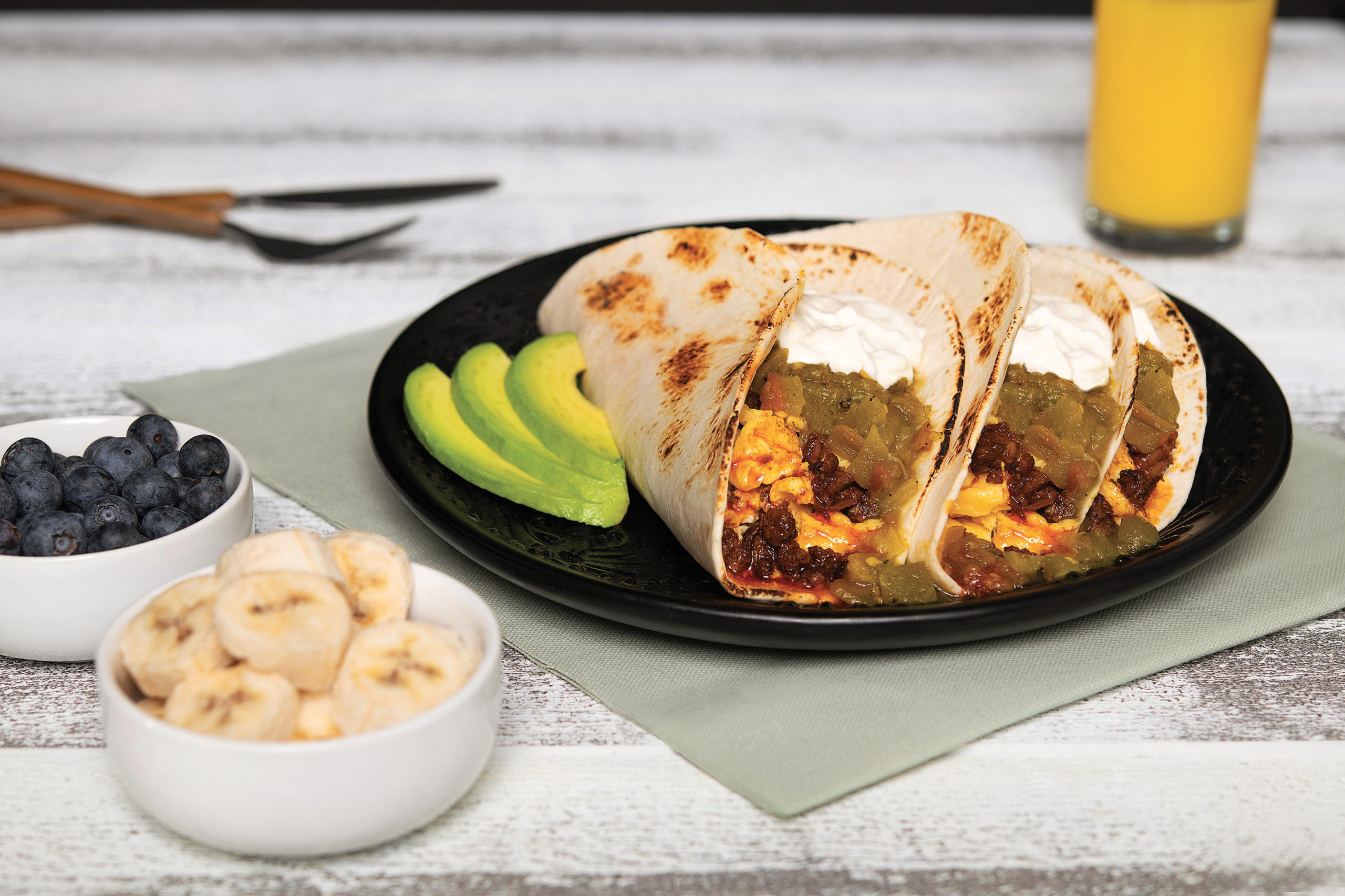
To get the most out of them, try swapping your morning toast for a breakfast burrito using a single charred tortilla. It’s a simple way to keep your insulin low during the most critical part of the day while still feeling like you're eating "normal" food. Check the "Health" or "International" aisle of your local Kroger or Walmart—that's usually where the newer, more specialized zero-carb brands are hiding.