You’re standing in front of the glass cooler at the gas station. It’s 3:00 PM. Your brain feels like a browser with seventy tabs open, half of them frozen. You reach for a can of something neon-colored and cold. You see the big, bold "0" on the back. Zero sugar. Zero calories. It feels like a free pass. You drink it, the caffeine hits your system, and suddenly you’re back in the game. But what’s actually happening inside your body when you swap real sugar for sucralose and acesulfame potassium? Honestly, the reality of zero calorie energy drinks is a lot more complicated than "it’s just water with caffeine."
The energy drink market is exploding. Companies like Monster, Red Bull, and Ghost are leaning hard into the "clean energy" or "performance" branding. It’s no longer just about staying awake during a 2:00 AM gaming session. Now, it’s about fitness. It’s about productivity. People are treatng these cans like a health supplement. Some of them actually have decent ingredients. Others? They're basically a chemistry lab in a tin can.
The Sweetener Dilemma
Let’s talk about the elephant in the room: the taste. To make something taste like a liquid gummy bear without using sugar, you need artificial sweeteners. Most zero calorie energy drinks rely on a tag-team of sucralose and acesulfame potassium (Ace-K). Sucralose is about 600 times sweeter than table sugar. Ace-K helps mask the bitter aftertaste that some people get from sucralose alone.
There is a massive, ongoing debate in the scientific community about how these chemicals affect our gut microbiome. A 2022 study published in Cell by Suez et al. found that certain non-nutritive sweeteners can actually alter the glycemic response in humans. Basically, even though there's no sugar, your body might still react in ways that affect your blood sugar levels. It’s not as "invisible" as we once thought. Some people swear they get bloating or digestive issues from these drinks. If that's you, it's probably the erythritol. Erythritol is a sugar alcohol often used in brands like Reign or Bang to provide bulk and sweetness. While it’s generally recognized as safe, a 2023 study in Nature Medicine suggested a potential link between high levels of erythritol and increased cardiovascular risk. This doesn't mean your afternoon can is going to give you a heart attack tomorrow, but it does mean we should probably stop viewing these drinks as totally inert "health waters."
The Caffeine Ceiling
Caffeine is the engine. Most of these drinks pack between 150mg and 300mg of caffeine per can. For context, a standard cup of home-brewed coffee has about 95mg. If you’re chugging a 300mg Bang or a Ghost, you’re hitting nearly the entire daily recommended limit for an adult (which the FDA puts at 400mg) in about fifteen minutes.
The delivery system matters. In coffee, you have polyphenols and antioxidants that slow down the absorption a tiny bit. In a carbonated zero calorie energy drink, the caffeine hits your bloodstream fast. Like, really fast. This is why you get the jitters. Or the "heart flutters." Or that weird feeling where you’re tired but your pulse is racing. It’s a lot for the central nervous system to handle all at once.
Beyond the Caffeine: The "Functional" Ingredients
You’ve seen the labels. L-Theanine. Taurine. Glucuronolactone. B-Vitamins that are 4,000% of your daily value. Manufacturers love to claim these ingredients provide "focus" or "mental clarity."
Take L-Theanine, for example. This is an amino acid found naturally in tea leaves. It’s actually pretty great. It helps take the "edge" off caffeine, preventing that sharp crash and the shaky hands. When you see it in a drink like Ghost or Celsius, it’s there to smooth out the ride. Then there’s Taurine. Despite the urban legends from the early 2000s, it doesn't come from bull sperm. It’s an amino acid that plays a role in nerve growth and mineral balance. Some research suggests it might even protect the heart from the stress of high caffeine intake.
But then there are the B-Vitamins. You don’t actually need 5,000% of your B12 in one sitting. Your body is a master at filtration. If you aren't deficient, you’re basically just creating very expensive, neon-colored urine. It’s a marketing gimmick. It looks impressive on the "Supplement Facts" panel, but for the average person with a balanced diet, it’s not doing much for your energy levels. Energy comes from calories (macronutrients). These vitamins just help your body process those calories. If the calories aren't there because it's a zero-calorie drink, the extra B-Vitamins are mostly just along for the ride.
The Psychological Trap of "Zero"
There’s a phenomenon called the "Health Halo." When we see a "zero" or a "diet" label, we subconsciously give ourselves permission to indulge elsewhere. You might justify a bigger lunch because you saved 200 calories on your drink. This is where zero calorie energy drinks can actually backfire for weight loss.
Furthermore, the extreme sweetness of these drinks keeps your palate primed for high-intensity flavors. If you’re constantly bombarding your taste buds with sucralose, a piece of fruit starts to taste bland. You start craving more processed, hyper-palatable foods. It’s a cycle. You’re not getting the sugar, but you’re keeping the "sugar habit" alive in your brain.
Why Some Brands Are Better Than Others
If you’re going to drink them, you should know that not all cans are created equal.
- Celsius: They’ve positioned themselves as a "thermogenic" drink. They use green tea extract and ginger. They avoid high-fructose corn syrup and aspartame. People like them because they feel "cleaner," though the caffeine content is still high (200mg).
- Monster Ultra: The white can is legendary. It’s the gold standard for taste in the zero-calorie world. But it uses a lot of artificial colors and preservatives. It’s a "dirty" zero.
- Zoa: This is Dwayne "The Rock" Johnson’s brand. They use natural caffeine from green tea and green coffee beans. They also include electrolytes, which is a nice touch if you're using it as a pre-workout.
- Ghost: They are very transparent about their labels. They list the exact milligram amounts of their "brain-boosting" ingredients (nootropics). It’s popular with gamers and lifters who want to know exactly what they’re putting in their bodies.
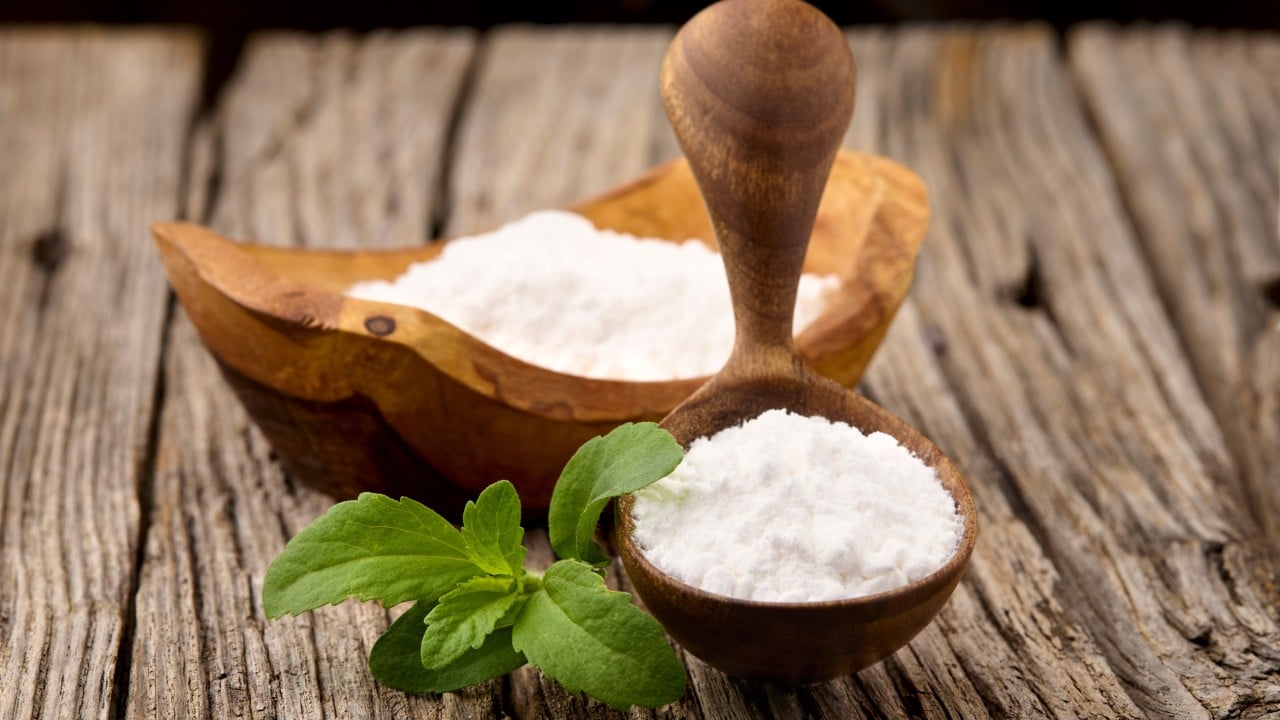
The "natural" energy drink sector is growing. Brands like Guru or Steaz use stevia or monk fruit instead of sucralose. They don't taste as much like candy, but they're arguably better for your gut health in the long run. Stevia can be a bit bitter, and monk fruit is expensive, so these drinks usually cost a dollar or two more per can.
The Hidden Impact on Teeth
Even without sugar, these drinks are not "safe" for your teeth. This is a huge misconception. It’s not just sugar that causes cavities; it’s acid. Most zero calorie energy drinks are highly acidic. They have a low pH, often between 3.0 and 3.5. For reference, battery acid has a pH of 1.0.
When you sip on an acidic drink over the course of an hour, you’re essentially giving your tooth enamel an acid bath. This softens the enamel and leads to erosion. Dentists are seeing a massive spike in enamel wear among young adults who have swapped soda for energy drinks. If you’re going to drink one, it’s better to drink it quickly rather than sipping it all afternoon. And for the love of everything, don't brush your teeth immediately after. Your enamel is soft from the acid; brushing will just scrub the enamel right off. Rinse with water instead.
What Happens When You Quit?
If you're drinking two or three of these a day, your adenosine receptors are essentially held hostage. Adenosine is the chemical in your brain that tells you you're tired. Caffeine blocks those receptors. When you stop drinking them, your brain realizes it has way more receptors than it needs, and it floods them with adenosine.
That’s the "withdrawal headache." It’s real. It feels like a dull throb behind your eyes. You might also feel irritable, depressed, or just completely wiped out. This usually lasts 24 to 72 hours. The irony is that the more you use zero calorie energy drinks to fight fatigue, the more you change your brain chemistry to require them just to feel normal.
Real-World Strategy: How to Use Them Without the Crash
Look, I’m not saying you should never touch an energy drink again. Sometimes you just need to get through a shift or a long drive. But there's a way to do it without wrecking your health.
First, stop drinking them on an empty stomach. The caffeine hits way harder and can irritate your stomach lining. Have a small snack first. Second, watch the timing. Caffeine has a half-life of about five to six hours. If you drink a 200mg Celsius at 4:00 PM, you still have 100mg in your system at 10:00 PM. That's enough to ruin your deep sleep, even if you manage to fall asleep.
Poor sleep leads to more fatigue the next day, which leads to... you guessed it, another energy drink. It’s a trap.
The Actionable Bottom Line
If you want to keep zero calorie energy drinks in your life, follow these rules:
- Check the Sweetener: Look for drinks using Stevia or Monk Fruit if you're worried about gut health. If you stick with sucralose, keep it to one can a day.
- Hydrate Double: For every energy drink you consume, drink 16 ounces of plain water. This helps your kidneys and keeps your mouth from staying too acidic.
- The 10-Hour Rule: Try to finish your last caffeinated drink at least 10 hours before you plan to go to sleep. Your REM cycle will thank you.
- Cycle Your Usage: Don't drink them every day. Save them for the "emergencies." If you find you can't function without one, it's time for a two-week caffeine detox to reset your tolerance.
- Eat Real Food: Remember that B-Vitamins in a can are no substitute for a steak, some spinach, or a handful of almonds.
The "zero" on the label refers to calories, not consequences. Treat these drinks like a tool, not a beverage. Use them when you actually need the sharp edge, but don't let them become the fuel your body relies on to survive the day. Your heart, your gut, and your teeth will be a lot happier if you find a balance.
Stay sharp. Stay hydrated. And maybe, just maybe, try a nap once in a while.
Sources for Further Reading
- Suez, J., et al. (2022). "Personalized microbiome-driven effects of non-nutritive sweeteners on human glucose tolerance." Cell.
- Witkowski, M., et al. (2023). "The artificial sweetener erythritol and cardiovascular event risk." Nature Medicine.
- FDA Guidelines on Caffeine Consumption (Updated 2023).
- Journal of the American Dental Association (JADA) - Studies on beverage acidity and enamel erosion.