You’re standing in the beverage aisle, staring at a wall of neon labels. It’s a classic dilemma. On one side, you have the standard sodas—liquid sugar, basically—and on the other, the growing army of zero calorie carbonated drinks. You grab the diet can because it feels like the "adult" choice. No calories, no guilt, right? Well, it’s actually a bit more complicated than just swapping sugar for chemicals, and honestly, the science has shifted a lot lately.
People used to think these drinks were a total free pass. If it has zero on the label, it must be invisible to the body. That’s the dream. But your tongue and your gut don't always agree with the marketing.
The Chemistry of "Nothing"
When you crack open a can of sparkling water or a diet cola, you aren't just drinking water and bubbles. Even the "cleanest" zero calorie carbonated drinks usually involve a cocktail of acids and sweeteners. Carbonation itself is just carbon dioxide dissolved under pressure, which creates carbonic acid. This gives the drink that sharp, refreshing bite we all crave.
But the sweetness? That’s where things get weird.
Take aspartame, for instance. It's probably the most scrutinized food additive in history. In 2023, the International Agency for Research on Cancer (IARC), which is part of the World Health Organization, classified aspartame as "possibly carcinogenic to humans." Sounds terrifying, right? But then the Joint FAO/WHO Expert Committee on Food Additives (JECFA) turned around and said the acceptable daily intake remains unchanged. They basically said you'd have to drink between 9 and 14 cans of diet soda every single day to actually hit a risk threshold.
Moderation matters.
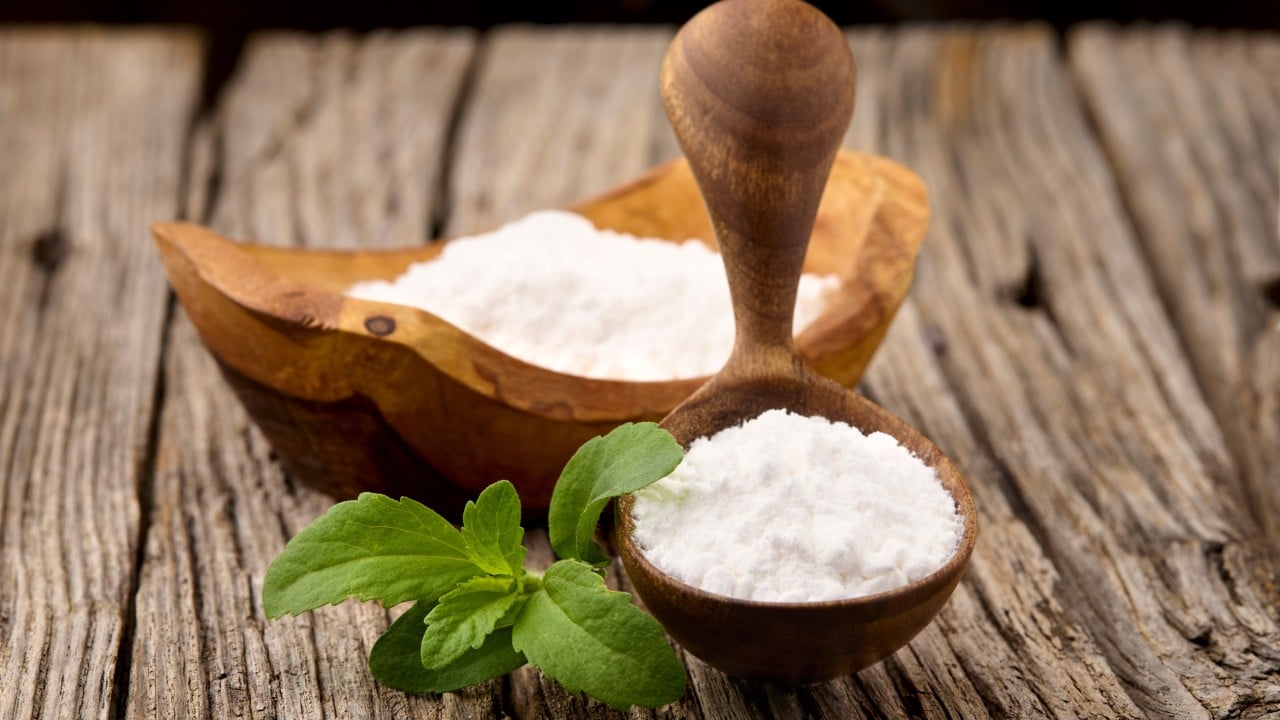
Then you’ve got the newer players like Stevia and Erythritol. Stevia comes from a plant, so it gets the "natural" halo, even though it's often heavily processed by the time it hits your seltzer. Erythritol is a sugar alcohol. It tastes remarkably like the real thing without the weird bitter aftertaste some people hate in Stevia. However, a study published in Nature Medicine in early 2023 suggested a link between high levels of erythritol in the blood and an increased risk of cardiovascular events like heart attack or stroke. It’s a developing field of study. We don't have all the answers yet.
Why Your Brain Might Be Getting Tricked
There is this concept called "cephalic phase insulin response." It’s a fancy way of saying your body prepares for sugar the second your tongue tastes something sweet. Some researchers argue that when you sip zero calorie carbonated drinks, your brain sends a signal to the pancreas to release insulin, expecting a massive glucose hit that never arrives.
This can lead to a drop in blood sugar. Suddenly, you’re ravenous.
You saved 150 calories on the soda only to eat 400 extra calories in snacks because your brain feels cheated. It’s a biological bait-and-switch. Not everyone experiences this, but if you find yourself reaching for cookies an hour after a diet soda, your drink might be the culprit.
The Stealth Attack on Dental Health
Let's talk about your teeth for a second. Most people assume that since there's no sugar, there's no cavities. Wrong.
It’s the acid.
Even plain sparkling water is more acidic than flat water. When you add flavors like lemon or lime, the pH level drops further. Most zero calorie carbonated drinks sit somewhere between a 2.5 and 3.5 on the pH scale. For context, battery acid is a 1.0. Your tooth enamel starts to dissolve (demineralize) at a pH of about 5.5.
If you’re sipping on these all day long, you’re essentially giving your teeth a constant acid bath. Dentists are seeing more "erosion" than actual "decay" these days. The tooth doesn't rot from a hole; the whole surface just wears thin until it's sensitive and yellow.
If you're going to drink them, do it fast. Don't linger.
Drinking through a straw helps a bit. It bypasses the teeth. Also, rinsing your mouth with plain tap water afterward can neutralize the acid. Just don't brush your teeth immediately after drinking something acidic—your enamel is softened, and you’ll actually scrub it away. Wait 30 minutes.
The Gut Microbiome Revolution
The most interesting research right now isn't about calories; it's about the bugs living in your stomach. We used to think artificial sweeteners just passed through us. We were wrong.
A landmark study led by Dr. Eran Elinav at the Weizmann Institute of Science found that certain non-nutritive sweeteners can actually change the composition and function of your gut bacteria. In some people, this change leads to glucose intolerance. Essentially, the "diet" drink makes it harder for your body to process real sugar later on.
It’s highly individual.
One person can drink a gallon of diet ginger ale and have a perfectly healthy gut. Another person might see their microbiome shift after just a few weeks of daily consumption. This is the "nuance" that gets lost in TikTok health trends. There is no one-size-fits-all answer because your microbiome is as unique as your fingerprint.
Seltzer vs. Diet Soda: Is There a Winner?
If we're being honest, seltzer is the clear winner here.
Plain carbonated water with "natural flavors" usually avoids the heavy-duty sweeteners like sucralose or acesulfame potassium. Brands like Spindrift actually use a tiny bit of real fruit juice, which adds maybe 3 to 10 calories but keeps the ingredient list recognizable.
On the other hand, heavy-hitter diet sodas are basically chemistry experiments. They contain phosphoric acid (which can leach calcium from your bones if consumed in massive quantities) and caramel coloring. Some studies suggest caramel color IV contains 4-MEI, a potential carcinogen, though the FDA currently considers it safe at the levels used in beverages.
Weight Loss: Does It Actually Work?
This is the big one. Why do we drink these? To lose weight or stay thin.
The data is surprisingly mixed.
Observational studies often show a correlation between diet soda consumption and weight gain. But correlation isn't causation. It might be that people who are already struggling with their weight turn to diet drinks as a last resort.
However, randomized controlled trials—the gold standard of science—usually show that replacing sugary drinks with zero calorie carbonated drinks leads to modest weight loss. It’s better than the alternative. If you’re choosing between a 250-calorie classic cola and a 0-calorie version, the math favors the 0-calorie version for immediate weight management.
But water is still king.
How to Navigate the Aisle
You don't have to quit cold turkey. That's miserable. Just be smarter about your choices.
- Check for Phosphoric Acid: If you’re worried about bone density or kidney health, stick to clear sodas or seltzers. Colas are the primary source of this stuff.
- The "Natural" Trap: Don't assume "naturally flavored" means it came from a fruit. It just means the original source was biological. It can still be a highly processed chemical.
- Watch the Sodium: Some carbonated waters add minerals for taste (looking at you, Club Soda). If you're watching your blood pressure, these can add up.
- Listen to your hunger: If you feel a "crash" after a diet drink, your body might be reacting to the sweetener. Switch to a non-sweetened sparkling water.
Actionable Steps for the Health-Conscious Drinker
The goal isn't perfection; it's harm reduction. You want the bubbles without the baggage.
Start by treating zero calorie carbonated drinks as a treat rather than a water replacement. If you're currently drinking four a day, try dropping to two and replacing the others with plain water infused with a slice of real cucumber or lemon.
When you do indulge, try to drink them with a meal. The presence of food helps buffer the acid for your teeth and can mitigate the insulin response that leads to cravings.
Switch to brands that use "cleaner" sweeteners if you can't give up the sweetness. Monks fruit and Stevia-based drinks like Zevia are generally viewed as slightly "safer" for the gut microbiome than the older synthetic options like saccharin or sucralose.
Finally, pay attention to how you feel. If you’re bloated, having headaches, or experiencing weird sugar cravings, try a two-week "bubble break." Your taste buds actually reset remarkably fast. After ten days without intense artificial sweeteners, a plain strawberry will taste like candy.
Your body is a fine-tuned machine. It doesn't need 20 ingredients to stay hydrated. Use these drinks for the enjoyment of the fizz, but don't let them replace the one thing your body actually needs: pure, simple H2O.