The Moral High Ground Is a Luxury Most Can’t Afford
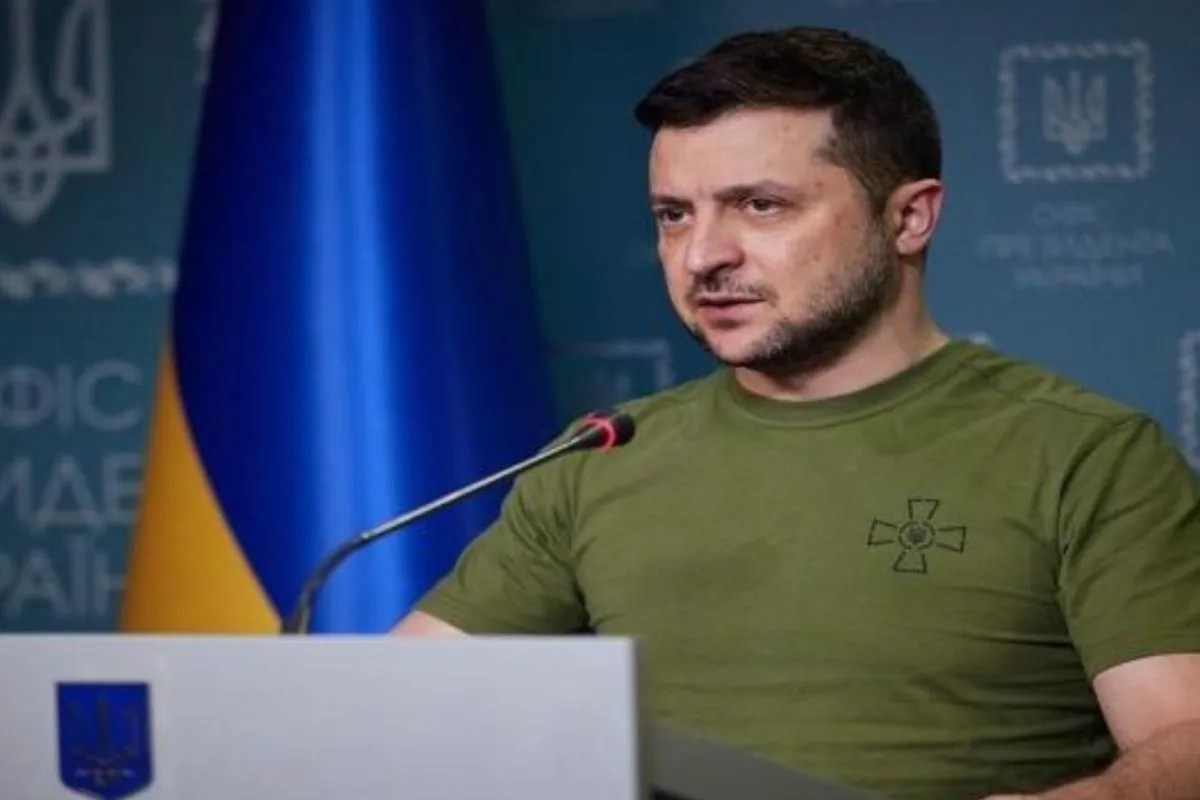
Moral outrage is easy. Logistics are hard. When Volodymyr Zelenskyy claims that every dollar spent on Russian oil is a dollar for war, he is deploying a powerful rhetorical device. But as a strategy for global stability, it is fundamentally flawed. The outcry over India’s purchase of discounted Russian crude ignores the brutal arithmetic of the energy market.
If India stops buying Russian oil tomorrow, the world enters a Great Depression. That isn’t hyperbole. It is a calculation of supply and demand that many Western commentators refuse to acknowledge because it ruins the narrative of a unified moral front.
The Myth of the "Blood Oil" Subsidy
The mainstream media loves the "blood oil" headline. It’s punchy. It’s emotional. It’s also an oversimplification that borders on economic illiteracy.
When India buys Russian Ural crude at a discount, they aren't "funding the war" in the way a direct donor would. They are preventing a global supply shock. Consider the alternative: If those millions of barrels per day were removed from the market, Brent crude wouldn't be sitting at manageable levels. It would skyrocket to $150 or $200 a barrel.
At those prices, the economy of the Global South collapses. We are talking about mass starvation, the toppling of governments in developing nations, and an inflationary spiral that would make the 2022-2023 price hikes look like a minor inconvenience. Zelenskyy’s demand is essentially asking India to commit economic suicide to make a symbolic point.
India Isn’t the Villain—It’s the Pressure Valve
The West knows this. This is the "dirty secret" of the G7 price cap. The U.S. and the EU haven't sanctioned Indian refineries for a reason. They need India to buy the oil, refine it, and sell the resulting diesel and jet fuel back to Europe.
Europe is currently running on Russian oil that has been "laundered" through Indian refineries. This isn't a failure of the sanctions; it is the design of the sanctions. The goal was never to stop Russian oil from flowing—that would destroy the global economy. The goal was to reduce Putin’s margins while keeping the supply lines open.
India is performing a thankless service for the global energy grid. By buying at a discount, they squeeze the Kremlin’s profits. By refining and exporting, they keep Western gas stations open. Attacking New Delhi for this is biting the hand that keeps your inflation rates under double digits.
Why "Diversification" Is an Empty Buzzword
Critics often ask: "Why can't India just buy from the Middle East or the US?"
I have seen energy traders navigate these markets for decades. It doesn't work like a grocery store where you just pick a different brand of milk.
- Refinery Chemistry: Refineries are built for specific grades of crude. You cannot just swap Russian Urals for light sweet Texan crude without massive, multi-year retrofits.
- Freight Costs: Geography dictates destiny. Shipping oil from the Atlantic to the Indo-Pacific is an ecological and financial nightmare compared to the existing routes.
- The OPEC+ Trap: The Middle East isn't looking to rescue the West by flooding the market. They want high prices. If India moves its entire demand to the Middle East, prices surge for everyone else.
The Hypocrisy of Selective Outrage
The most grating part of the "outrage" over Indian oil purchases is the source. The European Union has paid Russia hundreds of billions for natural gas since the 2014 annexation of Crimea. Even after February 2022, several European nations continued to import Russian gas via pipelines that—ironically—run through Ukraine.
If we want to be honest about "funding the war," we have to look at the global reliance on hydrocarbons as a whole. Singling out a developing nation for trying to keep its lights on while the West maintains its own back-channel energy deals is a masterclass in double standards.
The Dangerous Logic of Total Embargoes
Imagine a scenario where the "moral" argument wins. Every nation stops buying Russian energy overnight.
Within 72 hours, the global shipping industry stalls. Within a week, the cost of transporting food doubles. In countries like India, where energy costs are a massive percentage of the household budget, you get civil unrest. When people can't feed their children because the price of transport fuel has tripled, they don't care about geopolitics in Eastern Europe. They care about survival.
Zelenskyy is a wartime leader doing his job—which is to be a maximalist. But a maximalist position is often a blind position. By demanding a total boycott, he is inadvertently calling for the destabilization of the very global order that is currently keeping Ukraine afloat.
The Price of Truth
The uncomfortable reality is that the global economy is a tangled web of compromises. There are no "clean" supply chains in the energy sector. Whether it's oil from regimes with questionable human rights records or minerals mined by children for "green" batteries, every joule of energy has a shadow.
India is acting in its national interest, which happens to coincide with the world’s need for price stability. This isn't "war-mongering." It’s math.
The West needs to stop using India as a scapegoat for its own inability to transition away from fossil fuels faster. We are all complicit in a system that requires the flow of oil to prevent chaos. Screaming at the buyer doesn't change the nature of the market; it just makes for a better headline while the ships keep sailing.
Stop pretending this is a moral binary. It’s an extraction game, and right now, India is the only player keeping the global economy from a total blackout.