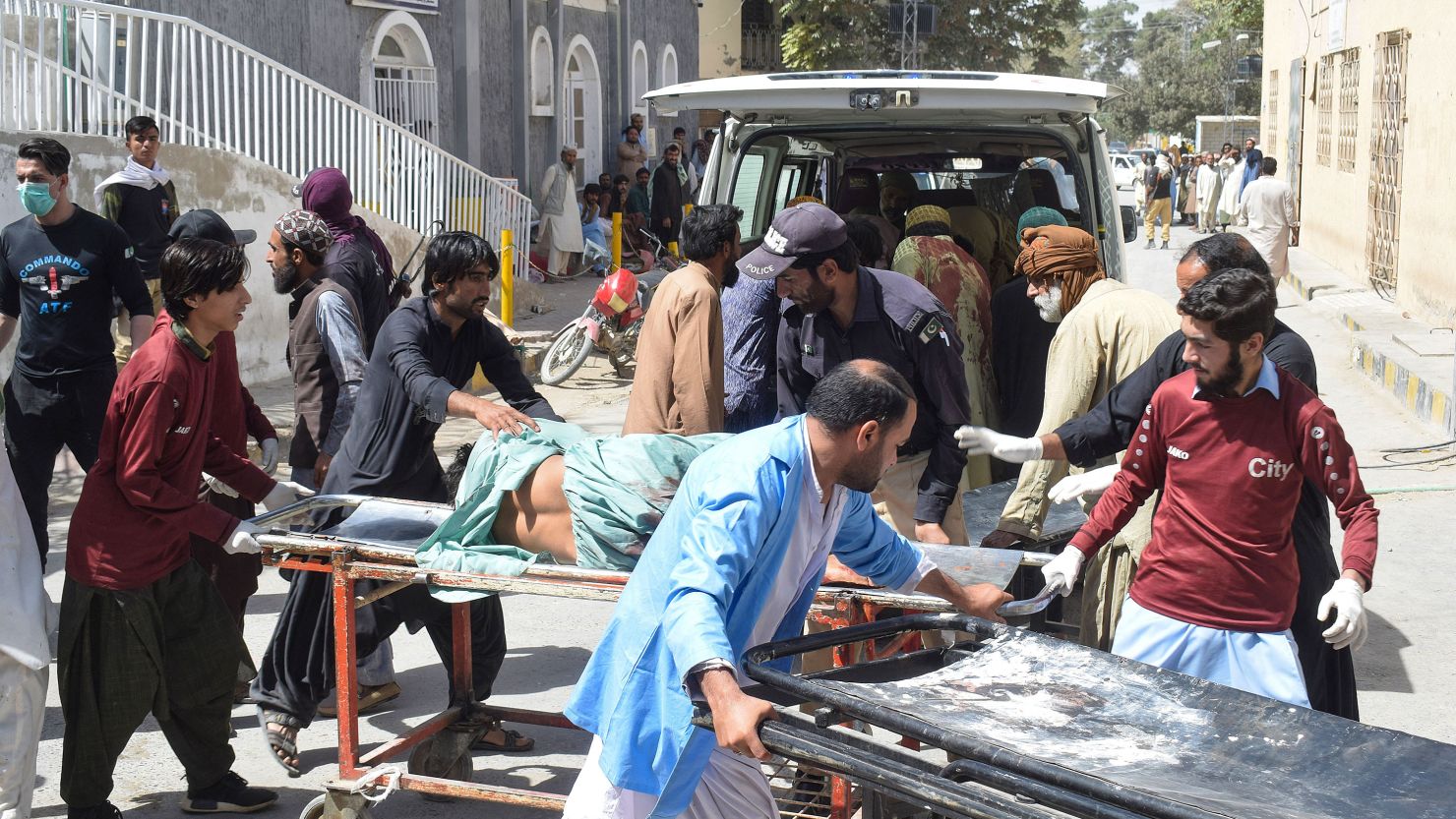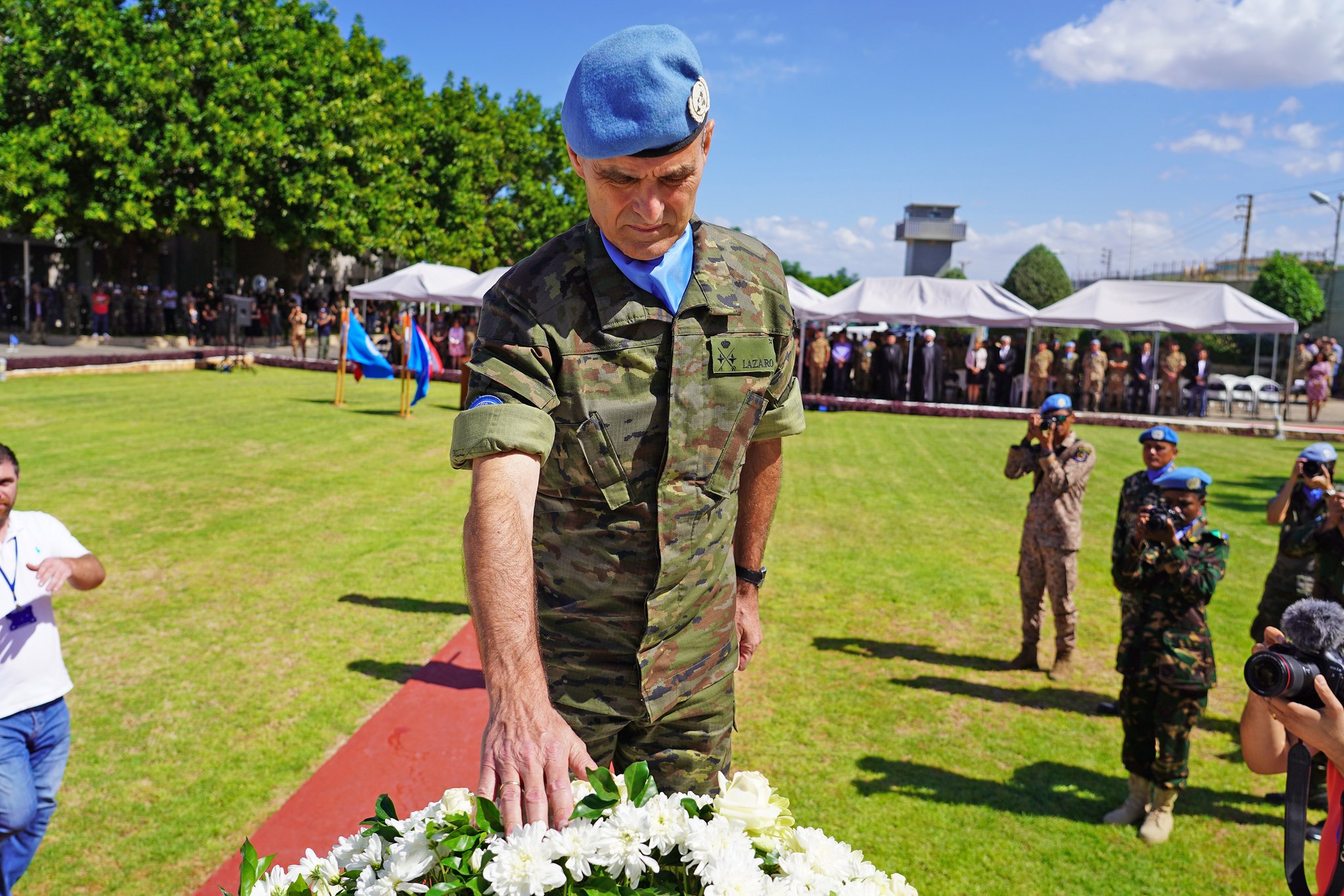
Condemnation is the cheapest currency in international relations. When Kuwait issues a formal statement "strongly condemning" an attack on French UNIFIL peacekeepers in southern Lebanon, it isn’t performing an act of diplomacy. It is performing an act of theater.
The standard narrative—the one you’ll read in every dry wire report—is that these attacks are "unacceptable" violations of international law that threaten regional stability. This is a polite fiction. The reality is far more cynical: UNIFIL (the United Nations Interim Force in Lebanon) is a mission designed to fail, and every diplomatic "condemnation" that follows an attack only serves to mask the total obsolescence of the Blue Helmets in the Levant.
The Myth of the Neutral Arbiter
The "lazy consensus" suggests that UNIFIL is a vital buffer between Israel and Hezbollah. If you believe this, you haven’t looked at a map or a weapons cache in twenty years.
UNIFIL’s mandate is governed by UN Security Council Resolution 1701. In theory, this resolution was supposed to ensure that the area between the Blue Line and the Litani River was free of any armed personnel, assets, and weapons except for those of the Lebanese government and UNIFIL.
In practice? Southern Lebanon is arguably the most heavily fortified non-state military zone on the planet.
When French troops are targeted or obstructed, the international community acts shocked. Why? I’ve watched these missions operate for decades. You have thousands of troops from dozens of nations stuck in a geographic sandwich, tasked with a mission they are physically and legally barred from completing. They cannot search private property without the Lebanese Armed Forces (LAF). They cannot engage unless fired upon. They are observers in a room where everyone has already decided to ignore the referee.
Why France is the Target and Kuwait is the Echo
France isn’t just another troop contributor. Paris views Lebanon as its historic sphere of influence—the "tender mother" of the Levant. When French peacekeepers are hit, it’s a direct message to the Quai d'Orsay: Your colonial-era paternalism has no teeth here.
Kuwait’s condemnation, meanwhile, is a low-stakes attempt to maintain the "Arab Consensus." It’s the diplomatic equivalent of hitting "retweet" on a corporate HR statement. It costs Kuwait nothing, it changes nothing on the ground, and it reinforces the status quo that keeps Lebanon in a state of permanent, managed collapse.
If we were being honest, we would admit that these condemnations are actually harmful. They provide a veneer of international concern that prevents us from asking the hard question: What is the exit strategy?
The Failure of Resolution 1701
Let’s dismantle the mechanics of the "peacekeeper" illusion. Since 2006, the presence of UNIFIL has arguably provided a shield for the very militarization it was supposed to prevent.
- The Transparency Trap: UNIFIL patrols are predictable. They are tracked. When they move, they see what they are allowed to see.
- The LAF Paradox: The West funds the Lebanese Armed Forces to be a counterweight to non-state actors. But the LAF cannot—and will not—confront those actors in the south. UNIFIL is tethered to a partner that is effectively neutralized.
- The Illusion of Deterrence: Does anyone truly believe an IDF commander or a Hezbollah operative changes their tactical calculus because a French armored vehicle is parked three kilometers away?
Imagine a scenario where a local police force is tasked with stopping a gang war, but they aren't allowed to enter houses, aren't allowed to carry handcuffs, and must call the gang’s cousins to help them with every arrest. That is UNIFIL.
The Cost of "Stability"
We are told that without UNIFIL, there would be total war. This is a false binary.
The current "stability" is actually a slow-motion rot. By maintaining the UNIFIL presence, the international community gives the Lebanese political class an excuse to avoid settling the border issue once and for all. It allows the state to remain a hollow shell because the "peacekeeping" is outsourced to foreigners who have no skin in the game beyond their six-month rotation.
France spends millions. Kuwait sends letters. Lebanon stays broken.
The attack on French peacekeepers isn't an anomaly to be condemned; it is the inevitable outcome of a mission that has overstayed its welcome by eighteen years. If the UN cannot enforce 1701, it should not be there to provide target practice for local factions.
Stop Asking the Wrong Question
The media asks: "How can we protect the peacekeepers?"
The real question is: "Why are we still pretending there is a peace to keep?"
Every time a Gulf nation or a European power issues one of these boilerplate condemnations, they are choosing the comfort of a lie over the pain of a solution. A solution would require either a massive expansion of UNIFIL’s powers—granting them the right to use force and conduct intrusive inspections (which will never happen)—or a total withdrawal that forces the regional players to face each other without a human shield.
The current middle ground is a graveyard of good intentions and French taxpayers' money.
The Hard Truth About Sovereignty
You cannot "foster" (to use a term I hate, but let’s look at its failure) sovereignty from the outside. Kuwait’s statement calls for the respect of Lebanese sovereignty. But sovereignty is not something you "respect" into existence. It is something a state earns by having a monopoly on the use of force.
As long as the UN is the primary security actor in the south, the Lebanese state will remain a ghost.
I’ve seen this play out in the Balkans, in Africa, and throughout the Middle East. When the UN becomes a permanent fixture, the conflict becomes a permanent fixture. The "temporary" force established in 1978 is now nearly half a century old. It is an institution, not a mission. It exists to justify its own budget and to provide a platform for empty diplomatic posturing.
The New Reality
The geopolitical landscape has shifted. We are no longer in the post-Cold War era of liberal interventionism. The actors on the ground in Lebanon don't care about UN stickers on SUVs. They care about leverage, territory, and survival.
If France wants to protect its soldiers, it should bring them home. If Kuwait wants to support Lebanon, it should stop sending press releases and start demanding a Lebanese government that actually controls its own borders.
Anything else is just noise.
The next time you see a headline about a "strongly worded condemnation" of an attack on UN troops, realize you are watching a scripted play. The actors know their lines, the audience knows the ending, and the tragedy is that nobody has the courage to close the theater.
Stop condemning the symptoms. Start admitting the mission is dead.
Withdraw the troops or give them the power to actually fight. There is no third option that doesn't involve more empty statements and more wasted lives.