NBA teams talk about brotherhood constantly. It’s the ultimate league cliché. Every training camp features a veteran player leaning into a microphone to tell reporters that this group is "different" and that they’ve "got each other's backs." Most of the time, it’s PR fluff designed to sell season tickets. But for the Toronto Raptors, the idea of standing up for each other isn't just a catchy slogan for a social media graphic. It’s the foundational requirement for a roster that lacks a traditional top-five superstar.
The Raptors aren't winning on pure talent alone right now. They know it. The fans know it. To survive in an Eastern Conference loaded with giants, Toronto has to be the team nobody wants to play because they’re too loud, too physical, and too connected. When one Raptor gets shoved, five Raptors need to be in the culprit's face before the whistle even stops echoing. That’s the identity. Without that friction and fierce loyalty, they’re just another lottery team waiting for May.
The Chemistry of Conflict
Team chemistry is often misunderstood as everyone getting along and sharing a laugh at the practice facility. That's part of it, sure. However, the real stuff—the grit that wins games in the fourth quarter—comes from shared defensive accountability. If a point guard gets blown by on the perimeter, he needs to know his center is rotating over to help. More importantly, he needs to know that if he takes a hard foul while protecting the rim, his teammates are going to make sure the opponent feels the weight of that choice.
Darko Rajaković has preached a style of play that requires total unselfishness. You can't have a "0.5-second" offense if guys are worried about their own stats or looking over their shoulders. You need trust. Standing up for one another on the court creates a psychological safety net. It allows a young player like Gradey Dick or a newcomer to take risks, knowing the veterans aren't going to hang them out to dry.
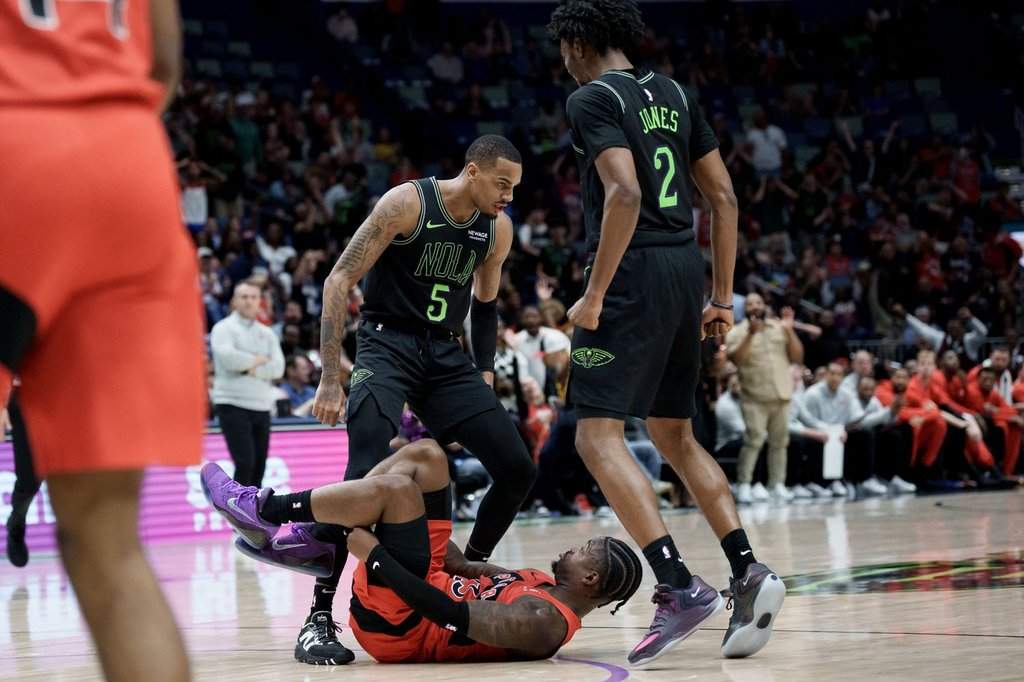
We saw flashes of this collective backbone during the more heated matchups of the recent season. When Scottie Barnes gets targeted by opposing defenders trying to get under his skin, the immediate reaction from the rest of the floor tells the story. If the bench is up and the four other guys on the hardwood are closing ranks, the message is clear. You don't just play the Raptors; you fight the Raptors.
Why Toughness Matters More Than Ever
The NBA has shifted. The "tough guy" era of the 90s is gone, replaced by space, pace, and a lot of three-point shooting. But don't let the highlights fool you. The playoffs are still a grind. Look at the teams that actually make deep runs—the Celtics, the Heat, the Knicks. They all share a specific brand of nastiness. They are teams that refuse to be bullied.
Toronto’s championship run in 2019 wasn’t just about Kawhi Leonard’s shot making. It was about Kyle Lowry’s willingness to take a charge against a literal freight train. It was Serge Ibaka not backing down from anyone. It was Marc Gasol being a wall. That DNA drifted away for a few years, but the current front office seems obsessed with reclaiming it.
Standing up for each other isn't just about physical altercations or technical fouls. It’s about the "boring" stuff that shows you care.
- Sprinting to pick a teammate up off the floor.
- Communicating through a complex screen action.
- Challenging a star player in the film room.
- Taking the blame for a missed assignment in the post-game presser.
Accountability Starts in the Locker Room
You can't fake this. Players see through "fake tough" acts instantly. If a veteran yells at a rookie for a mistake but then misses his own rotation, the culture crumbles. The Raptors are currently in a phase where the leadership hierarchy is settling. Scottie Barnes is the face, but he’s still learning how to lead. Immanuel Quickley and RJ Barrett have brought a different energy, a "hometown hero" vibe that resonates with the city.
The true test of a team standing together happens when things go wrong. It’s easy to be a united front during a three-game winning streak. It’s much harder when you’ve lost four in a row and the media is questioning the coach’s rotations. Genuine loyalty means staying in the foxhole when the outside noise gets deafening.
I’ve watched plenty of teams fold under that pressure. They start leaking stories to reporters. They start pointing fingers on the bench. The Raptors have historically been very good at keeping their business "in the family," a trait that stems from the top down. Masai Ujiri doesn't tolerate locker room lawyers. He wants guys who are "all in," and that means being willing to sacrifice a little bit of your own ego for the guy standing next to you.
Developing a Collective Edge
How do you actually build this? It doesn't happen by accident. It starts in the offseason, in the runs where nobody is watching. It’s built in those late-night sessions at the OVO Athletic Centre. When a team spends that much time together, the bond becomes reflexive.
One specific area where the Raptors have shown growth is in their response to "star treatment" from officials. Instead of one guy complaining and getting a technical, you see a more coordinated effort to advocate for their teammates. It sounds small. It’s actually huge. It tells the young players that they aren't alone out there.
The Road Back to Relevance
Toronto is in a rebuild, or a "re-tool," depending on which day you ask. Whatever you call it, the talent gap between them and the top of the league is real. You don't bridge that gap overnight by hitting on one draft pick. You bridge it by being the hardest team to kill.
If the Raptors want to return to the conversation of elite Eastern Conference teams, they have to be the most cohesive unit in the league. They need to be the team that finishes every game exhausted because they covered for every mistake and contested every shot together.
The fans in Toronto don't just want wins; they want a team that represents the city’s underdog spirit. This is a city that thrives on being overlooked. When the players say they’ll stand up for each other, they’re effectively saying they’ll stand up for the logo on the front of the jersey.
If you’re watching the Raptors this season, don't just look at the box score. Watch what happens after a hard foul. Watch the bench when a teammate makes a hustle play. Look at how they talk to each other during timeouts. That’s where the real season is won or lost.
If they keep this edge, the wins will come. If they lose it, they’re just five guys wearing the same color. Pay attention to the scuffles and the huddles—they matter more than the shooting percentages right now.
Keep an eye on the defensive rotations in the next three games. If you see players pointing, talking, and flying to the ball to help a teammate who got beat, you know the culture is holding. If they start looking at the floor while their teammate gets frustrated, the rebuild might take a lot longer than we thought.