If you think your morning commute through downtown Vancouver is a headache now, wait until the first whistle blows in June 2026. The city is about to transform into a massive, high-security fortress for the FIFA World Cup. I've seen major events take over this city before, but nothing on this scale. We're talking about seven match days, 350,000 extra bodies in the downtown core, and a set of rules that'll make your head spin if you're not prepared.
The host committee recently dropped the hammer on the logistics, and honestly, it’s a lot to take in. From two-month-long road closures to drones monitoring your every move, the "beautiful game" is bringing some ugly traffic and strict boundaries. If you live or work anywhere near False Creek, you need to change your habits now before the chaos starts.
The Pacific Boulevard shutdown is no joke
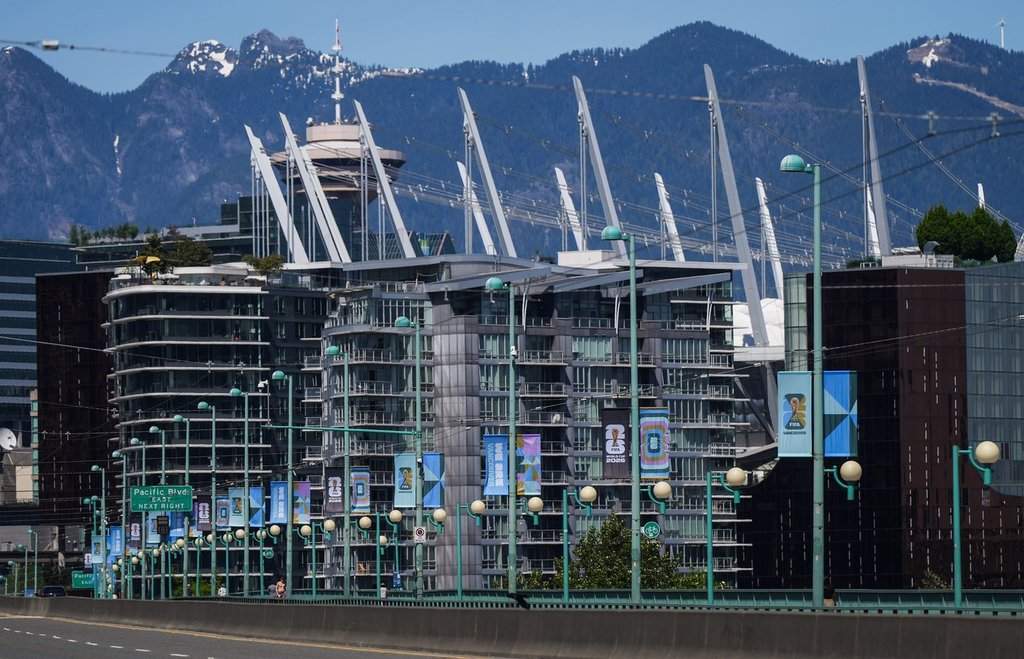
Usually, when we talk about road closures for events, we're talking about a weekend or maybe a few days. Not this time. A huge chunk of Pacific Boulevard—stretching all the way from the Cambie Street Bridge to Carrall Street—is closing down from May 23 until late July. That's over two months of one of the city's main arteries being completely severed.
This isn't just about match days. This is about the "stadium footprint." FIFA takes over the area weeks in advance to build broadcast compounds, security perimeters, and fan zones. If your daily route involves driving past BC Place to get to the office or home, you’re going to be diverted. Don't expect to just "find a way through" on side streets either. The city is designating many surrounding roads as "local traffic only."
Transit is your only real option
Driving to the stadium is basically a fool’s errand. Parking will be non-existent or priced at "sell a kidney" levels. TransLink is stepping up, but they're also changing how the stations work.
- Main Street–Science World is the hub. This is where everyone—transit riders, Uber users, and taxi passengers—will be funneled. It’s the official arrival point.
- Stadium–Chinatown is restricted. On match days, the lower Expo Boulevard entrance is closed. You can't just hop off the SkyTrain and walk straight into the stadium like you usually do for a Lions or Whitecaps game.
- Empty trains are the secret. After matches, TransLink is going to start empty trains at Main Street–Science World to clear the stadium crowds faster. Use this to your advantage.
If you're coming from the North Shore, the SeaBus is actually going to be reliable for once, running every 10 minutes before and after matches. They’re even extending service by an hour on late-night match dates like June 13 and July 2.
Drones and the new security reality
If you own a drone, leave it in the closet. Seriously. Vancouver is becoming a strict "No Drone Zone" during the tournament. The Vancouver Police and federal authorities aren't playing around. They've already announced they'll be using their own drones to monitor crowd movements and potential threats.
Flying a microdrone near BC Place or the Fan Festival at Hastings Park could land you a fine of $1,000. If your drone is over 250 grams, that fine jumps to $3,000. Under the "advertised public event" rule in Canada, you can't fly within 30 meters of the event boundary without a Special Flight Operations Certificate, which you almost certainly won't get. The FBI and local police have technology to "intercept and seize" unauthorized drones. It’s not worth the cool footage for your Instagram.
BC Place isn't the stadium you remember
The rules inside the stadium are shifting from the standard BC Place playbook to the FIFA playbook. The biggest shock for most locals? The bag policy.
Forget the usual bag check. FIFA isn't doing it. Instead, they’re setting up a "storage" system outside the security perimeter. It costs $20 per item. If you bring a backpack thinking you’ll just check it at the door, you’re throwing twenty bucks away before you even see a goal.
Water bottle rules are also specific. They must be:
- Transparent.
- Soft-sided.
- Empty upon entry.
- Maximum one litre.
Don't show up with your fancy metal Yeti or Stanley cup. They'll make you toss it or trek back to the $20 storage locker. It sounds petty, but when you're dealing with 50,000 people, these bottlenecks are what cause the most frustration.
The local access pass scramble
If you live within the restricted zone, the city should be mailing you a "local traffic access pass." You get one by default, and you can request two more online. If you're a business owner in the area, don't wait for the mail. You have to actively request passes for your employees and company vehicles.
We’re also seeing a massive pedestrian zone on Granville Street between Georgia and Davie from June 11 to July 20. It's going to be a party atmosphere, but it means the 5, 6, and 10 buses—and your usual Uber routes—are going to be a mess.
Plan your life around the seven match days: June 13, 18, 21, 24, 26, and July 2 and 7. Those are the days when the "security footprint" is at its peak. If you don't have a ticket, stay away from the stadium. Head to the Fan Festival at Hastings Park instead. It’s easier to get to and has a much better vibe for the casual fan.
Download the TransLink and "Mobi by Rogers" apps now. Use the bike valets near Main Street–Science World to avoid the transit crush entirely. Most importantly, give yourself double the time you think you need. Vancouver is a small city trying to host the biggest event on Earth, and the growing pains are going to be felt on every street corner.