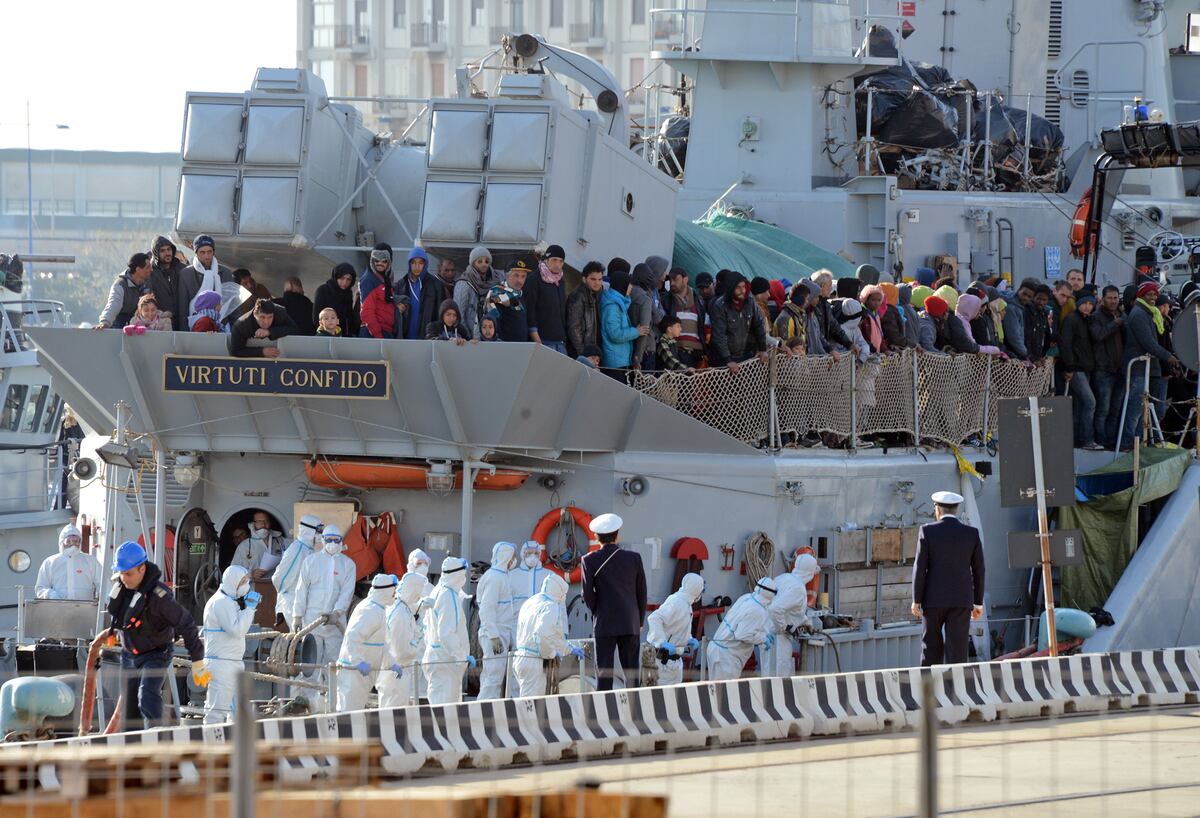
Geopolitics is rarely as simple as a ship turning around, but when two Pakistani vessels abruptly aborted their transit through the Strait of Hormuz, the ripples reached far beyond the Persian Gulf. This was not a routine navigational adjustment or a response to inclement weather. It was a calculated retreat driven by an escalating threat environment that Pakistan’s aging fleet is ill-equipped to handle. The vessels, caught in the crosshairs of regional tensions and a tightening maritime security net, were forced to weigh the cost of their cargo against the very real possibility of seizure or kinetic strike. In the high-stakes theater of the Middle East, a U-turn is an admission of vulnerability.
The Strait of Hormuz remains the world’s most sensitive chokepoint. Roughly one-fifth of the world’s total oil consumption passes through this narrow strip of water separating Iran from Oman. For Pakistan, a nation perpetually teetering on the edge of an economic precipice, any disruption to this supply chain is catastrophic. Yet, the recent incident involving the retreat of their vessels suggests a breakdown in the informal security guarantees that Islamabad has long relied upon. When the ships turned back, they weren't just saving their hulls; they were signaling a shift in the regional power dynamic where traditional alliances no longer guarantee safe passage.
The Mechanics of a Maritime Retreat
To understand why these ships fled, one must look at the specific operational risks currently plagueing the Gulf of Oman. We are seeing a sophisticated blend of state-sponsored harassment and non-state actor interference. For a Pakistani merchant vessel, the risk profile is unique. Unlike American or British tankers that often travel with a destroyer escort or under the umbrella of Operation Prosperity Guardian, Pakistani commercial shipping frequently sails "naked." They rely on diplomatic goodwill—a currency that is currently devaluing at a record pace.
The decision to turn back usually starts in a cramped operations room, not on the bridge. Intelligence feeds—likely provided by regional partners or commercial security firms—would have flagged an imminent threat. This could range from an approaching IRGC patrol boat to a suspected drone swarm launch from the Yemeni coast. Once the risk of "hull loss" or "crew detention" exceeds the insurance premiums, the order is given. The ship executes a hard turn, burning precious fuel and shattering delivery schedules, because the alternative is a diplomatic nightmare that Islamabad cannot afford to resolve.
The Insurance Crisis Behind the U-Turn
Shipping is a business of margins, and those margins are being devoured by war-risk premiums. When a region is flagged as a high-threat zone, the cost to insure a single transit can jump by hundreds of thousands of dollars. For Pakistan’s state-owned shipping entities, these costs are unsustainable.
Risk Assessment Factors
- Proximity to Iranian territorial waters: The "Three Islands" dispute continues to make the northern transit lanes a gamble.
- Electronic Warfare (EW) interference: Reports of GPS jamming and spoofing have become frequent, making navigation through the narrowest parts of the Strait a blind man’s game.
- The Shadow Fleet factor: The proliferation of "dark" tankers carrying sanctioned oil creates a chaotic environment where misidentification is a constant threat.
When these Pakistani ships retreated, they likely did so because their insurers signaled that coverage was being pulled or the "Breach Premium" had spiked beyond the value of the freight. It is a cold, hard financial reality. A ship that cannot be insured is a ship that cannot sail.
China's Silent Observation
The most glaring absence in the Strait of Hormuz security apparatus is the lack of direct protection for Chinese-linked trade, which much of Pakistan’s maritime activity now represents. While Beijing has invested billions in the Gwadar Port, it has shown a remarkable reluctance to put its gray-hull warships in the way of Iranian or Houthi interests to protect its partners. Pakistan is learning a brutal lesson: being a centerpiece of the Belt and Road Initiative does not come with a permanent naval escort.
This creates a paradox. Pakistan is expected to be a gateway for regional trade, yet it cannot secure its own approaches. The retreat of these two ships highlights the gap between the rhetoric of "all-weather friendship" and the reality of maritime security. If the Chinese Navy—the PLAN—won't secure the lanes for Pakistani vessels, and the US-led coalitions are focused elsewhere, Islamabad is left in a strategic vacuum.
The Aging Fleet and the Technology Gap
Modern maritime security is as much about sensors as it is about steel. Most of the vessels under the Pakistani flag are decades old, lacking the advanced electronic countermeasure (ECM) suites necessary to detect or divert incoming threats. When a modern missile or an explosive-laden drone is launched, these ships have no "active" defense. Their only defense is distance.
By turning back, the captains of these vessels acknowledged that their ships are essentially sitting ducks in a high-tech combat zone. You cannot fight a drone with a fire hose, and you cannot outrun a missile with a 15-knot top speed. This technological deficit means that any increase in regional tension will disproportionately affect second-tier maritime powers. They are the first to be squeezed out of the lanes because they are the easiest targets for "message-sending" operations by regional actors.
The Domestic Fallout in Islamabad
The economic impact of a ship failing to reach its destination is immediate. Pakistan’s energy sector operates on a "just-in-time" basis. A delay of even forty-eight hours in an oil or LNG shipment can trigger rolling blackouts across the Punjab heartland. This isn't just about the safety of a crew; it’s about the stability of a nuclear-armed state.
The government’s silence on the incident is telling. To admit that their ships fled out of fear is to admit a loss of sovereignty over their own supply lines. To blame a specific actor is to invite a diplomatic rift that the current administration is too fragile to handle. Instead, we see the usual obfuscation—technical glitches, "scheduling adjustments," or logistical re-routing. But the maritime tracking data doesn't lie. A 180-degree turn in the middle of a transit lane is the nautical equivalent of a scream.
Regional Pressure Points
- The Iranian Factor: Tehran views the Strait as its own backyard and uses it to exert pressure on any nation it perceives as drifting too close to Western or rival Gulf interests.
- The Houthi Reach: The expansion of strike capabilities into the Indian Ocean means that even if a ship clears Hormuz, it is no longer "safe" until it hits the deep sea.
- The Indian Presence: New Delhi’s increasing naval patrols in the Arabian Sea create a psychological pressure for Pakistan, which feels squeezed between a hostile neighbor and an unstable Gulf.
The Breakdown of Maritime Law
What we are witnessing is the slow death of "Freedom of Navigation" in the North Arabian Sea. International law suggests that the Strait of Hormuz is an international waterway through which all ships enjoy the right of transit passage. In practice, that right now only exists for those who can defend it. For everyone else, passage is a privilege granted by the local hegemon.
The retreat of the Pakistani ships is a blueprint for how smaller nations will be forced to operate in the new era of "contested commons." We are moving toward a tiered system of global trade. In the top tier, wealthy nations use carrier strike groups to keep their lanes open. In the bottom tier, nations like Pakistan must navigate a minefield of shifting alliances, paying "protection" through diplomatic concessions or simply staying home when the neighborhood gets too loud.
The Cost of the Long Way Around
If the Strait of Hormuz becomes a "no-go" zone for Pakistani shipping, the alternative routes are non-existent. There is no "long way around" for a country positioned where Pakistan is. The only option is to offload cargo at external hubs like Salalah or Fujairah and hope for smaller, braver feeder vessels to make the run. This adds layers of cost, complexity, and corruption to an already strained economy.
The psychological impact on the merchant marine cannot be overstated. Sailors are willing to face storms; they are less enthusiastic about being used as geopolitical pawns or target practice for loitering munitions. As recruitment for merchant mariners becomes harder, the operational capacity of the Pakistan National Shipping Corporation (PNSC) will continue to erode, leading to a death spiral of capability.
A New Reality for the Arabian Sea
The incident in the Strait is a warning shot. It confirms that the era of "safe" commercial shipping in the Middle East is over. Every transit is now a tactical operation. For Pakistan, the choice is stark: invest billions in a naval modernization program it cannot afford, or accept that its maritime destiny is no longer in its own hands.
The ships that turned back were not just avoiding a confrontation; they were retreating from a world order that no longer protects the weak. The Strait of Hormuz has become a filter, allowing through only the strong or the protected, while leaving everyone else to circle in the outer waters, waiting for a permission that may never come.
The maritime silk road is beginning to look more like a gauntlet. For those without the armor to run it, the only logical move is to turn around and watch from the shore as the world’s most vital artery slowly constricts. Any nation that cannot protect its tankers is a nation that cannot guarantee its own survival. Mounting a defense requires more than just steel; it requires a strategic clarity that is currently missing from the halls of power in Islamabad.
The ocean does not forgive weakness, and the Strait of Hormuz certainly does not hide it.