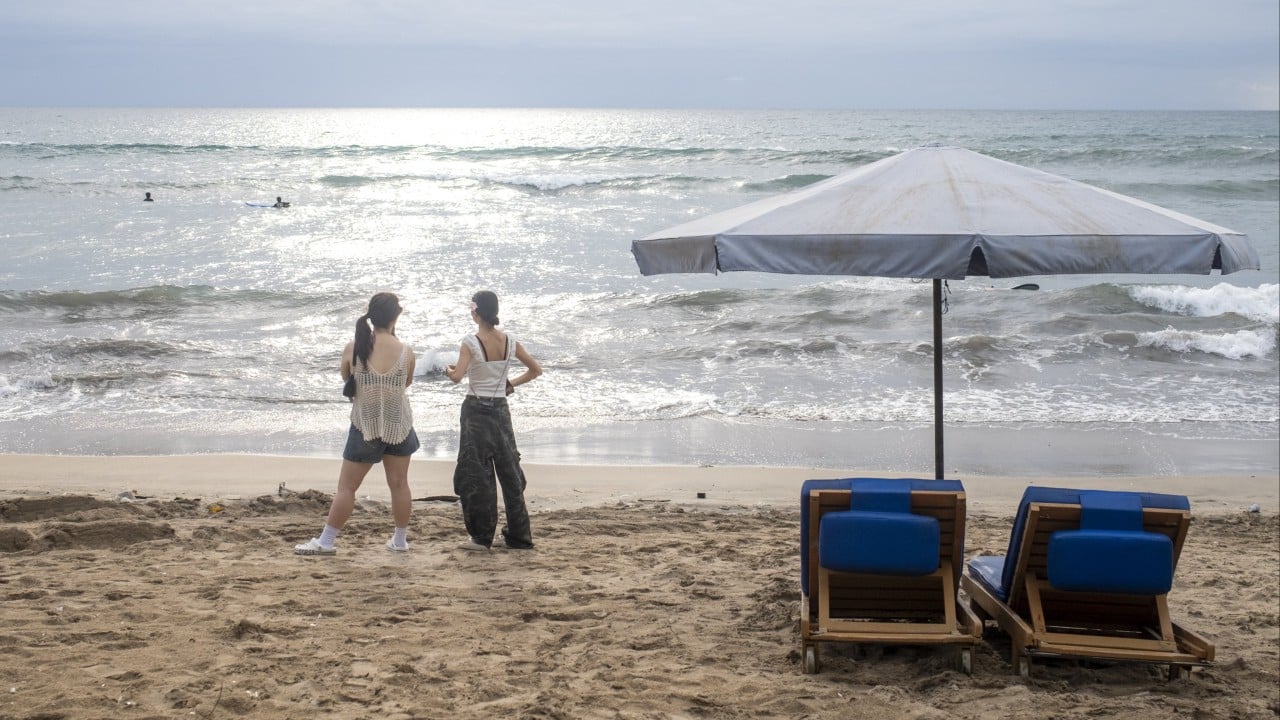
Kuta Beach isn’t dying. It’s finally shedding its skin.
The mainstream media loves a "coastal erosion crisis" because it’s easy to film. You get shots of uprooted trees, crumbling limestone, and worried hotel owners looking at the tide with a tape measure. They frame it as a tragedy—a slow-motion natural disaster swallowing the "Golden Mile."
They are wrong.
The panic over Bali’s receding shoreline is rooted in a fundamental misunderstanding of how islands work and a desperate, short-sighted need to protect real estate that should never have been built in the first place. If you want to see the real disaster, look at the sea walls, not the waves.
The Myth of the Disappearing Beach
The lazy consensus says Kuta is "disappearing." This suggests the sand is vanishing into a void. It isn’t. Sand is a transient asset. It moves. In a natural system, the beach is a shock absorber. It breathes. It retreats during the monsoon and builds during the dry season.
The "crisis" only exists because we drew a line in the sand and called it a property deed.
Erosion is only a problem when you build a $500-a-night luxury suite ten meters from the high-tide mark. When the ocean tries to reclaim that space, we don’t blame the developer for his hubris; we blame "climate change" or "unprecedented swells." I’ve spent two decades watching coastal "experts" dump millions of tons of dredged sand onto Kuta and Sanur, only to watch the Indian Ocean reclaim its property within eighteen months.
It is the most expensive, futile exercise in interior decorating on the planet.
Why "Beach Nourishment" is a Scam
Every time a major resort loses its volleyball court to the tide, the cry goes out for "beach nourishment." This is the industry term for sucking sand from the bottom of the ocean and spraying it onto the shore.
It’s a band-aid on a gunshot wound.
- Ecological Suicide: Dredging kills the benthic organisms that form the base of the food chain. You aren’t "saving" a beach; you’re creating a sterile sandbox.
- The Particle Problem: The sand dredged from the deep sea is often finer and siltier than the original reef-break sand. It doesn't stay put. It turns the water into a murky soup, choking the very coral reefs that are supposed to act as natural breakwaters.
- Economic Sinkhole: Taxpayers and donors foot the bill for projects that serve a handful of beachfront stakeholders.
We are spending billions of rupiah to fight a war against the moon. The moon wins. Every time.
The Concrete Trap
Look at the "Big Rip" or the areas around the Ngurah Rai airport runway extension. When you stick a massive concrete finger into the eye of the ocean, the ocean hits back.
This is basic fluid dynamics. When you build a hard structure—a sea wall, a jetty, or a groyne—you stop the longshore drift. The sand piles up on one side, and the other side gets starved. By "protecting" one hotel, you are effectively deleting the beach three kilometers down the coast.
The erosion at Kuta isn't just a natural phenomenon. Much of it is a direct consequence of the infrastructure built to service the tourists who come to see the beach. We are literally loving the coastline to death with concrete.
The Case for Managed Retreat
Here is the truth no tourism board will admit: The best thing that could happen to Kuta is for the first two rows of buildings to fall into the sea.
In the industry, we call this Managed Retreat. It’s the only strategy that actually works, but it’s political poison because it involves telling powerful people that their land is worthless.
If we stopped fighting the erosion and moved the infrastructure inland, the beach would stabilize itself. We would get wider, more resilient shorelines. We would get natural dune systems that actually protect the island from storm surges better than any concrete wall ever could.
But instead, we double down. We build bigger walls. We pump more sand. We try to freeze a dynamic, living system in a specific 1990s postcard aesthetic.
Your Vacation is Part of the Problem
"People Also Ask" if Kuta is still worth visiting.
If you want a pristine, static, manicured experience, go to a water park in Dubai. If you want a real island, you have to accept that the island is moving.
The obsession with "fixing" the erosion is driven by a colonial-era mindset that nature is a backdrop that must be managed for our comfort. We want the "wild" Bali, but we want it to stay behind a safety rail. We want the waves, but we don't want the salt spray to touch our iPhones.
The Real Crisis is the Cure
The real danger to Bali isn't that the sand is moving. It’s that we’ve lost the ability to adapt.
We are currently witnessing a "Sunk Cost Fallacy" on a tectonic scale. We’ve invested so much in the current shoreline configuration that we’d rather destroy the offshore ecosystem with dredging than admit that the map has changed.
I have watched developers in Seminyak try to "engineer" their way out of a three-meter swell. They lose. They always lose. The Indian Ocean has a fetch of thousands of kilometers. It doesn’t care about your infinity pool.
Stop Asking the Wrong Questions
Stop asking how we can stop the erosion. Ask why we are so afraid of it.
Erosion is the ocean’s way of clearing the slate. It’s a correction. It’s the market of the natural world telling us that our urban planning is a failure.
If Kuta Beach narrows, the crowds might thin out. The cheap, poorly constructed kiosks that clog the skyline might be washed away. The land prices might drop to a level where locals can actually afford to own something again.
Erosion isn't a "threat" to the shoreline; it is the shoreline.
Accept the tide. Stop the dredging. Knock down the sea walls. Let the ocean take what it already owns. Only then will Bali actually have a future.
The beach isn’t going anywhere. It’s just moving, and it’s time we moved with it.


