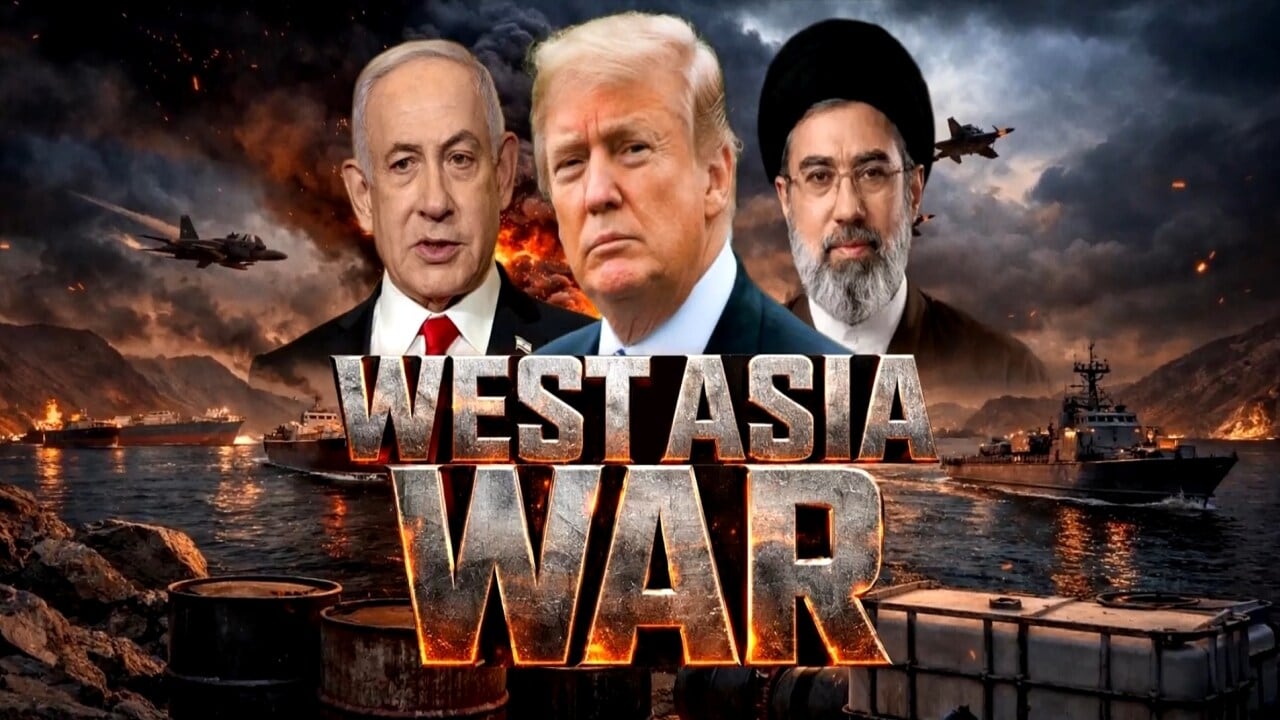
The two-week window for peace in the Persian Gulf is closing with the sound of a slamming door. As the April 22 ceasefire deadline looms, the diplomatic dance in Islamabad has devolved into a high-stakes standoff that looks less like a negotiation and more like a pre-war ultimatum. On one side, Donald Trump has signaled that the time for talk is over, promising "lots of bombs" if a deal is not struck. On the other, Iranian Parliament Speaker Mohammad Bagher Ghalibaf has categorized the American terms not as a treaty, but as a "table of surrender."
This is not a mere war of words. The failure to find common ground in Pakistan is the result of a fundamental disconnect between Trump’s "maximum pressure 2.0" tactics and Tehran’s refusal to negotiate while staring down the barrel of a naval blockade. By treating the Strait of Hormuz as a lever and the Iranian economy as a hostage, the White House has pushed the Islamic Republic into a corner where escalation, rather than concession, has become their perceived path to survival.
The Blockade that Broke the Peace
The current friction started well before the first diplomats touched down in Islamabad. While the public focused on the ceasefire, the United States maintained a suffocating naval blockade on Iranian ports. To Washington, this was a necessary "insurance policy" to keep Tehran at the table. To Tehran, it was a blatant violation of the truce.
Ghalibaf’s recent rhetoric centers on this specific point. He argues that you cannot have a genuine ceasefire when one party is actively strangling the other’s maritime trade. This isn't just about pride; it is about the physical movement of goods. When the US seized the Iranian cargo ship Touska on Sunday for attempting to run the blockade, the fragile trust evaporated.
The Iranian response was swift and predictable. After briefly signaling that the Strait of Hormuz might remain open, the Islamic Revolutionary Guard Corps (IRGC) reversed course, re-establishing restrictions on vessel movements. They are playing the only card they have left—the ability to spike global oil prices and disrupt the 20 percent of world petroleum that flows through that narrow choke point.
Why the Pakistan Channel Stalled
Pakistan was supposed to be the neutral ground where forty years of silence finally ended. The April 11-12 meetings were historic, marking the first direct high-level engagement since 1979. However, the substance of those talks revealed a canyon between the two administrations that no mediator could bridge.
- The Nuclear Question: Trump is demanding a complete abandonment of all domestic uranium enrichment, a step further than the 2015 JCPOA ever required.
- Infrastructure Threats: The US has explicitly listed Iranian power plants and bridges as potential targets if the Wednesday deadline passes without a signature.
- The "New Cards": Ghalibaf has warned that Iran has prepared "new cards on the battlefield." In intelligence circles, this is widely understood to mean synchronized drone swarms and advanced anti-ship missiles hidden in the coastal grottos of the Gulf.
The US strategy assumes that the Iranian leadership is a monolith that will eventually crack under economic pain. This overlooks the internal politics of Tehran. Ghalibaf is not just a negotiator; he is a veteran of the Iran-Iraq war and a hardliner who must answer to a Supreme Leader wary of any "Western trap." To accept Trump’s current terms—unilateral disarmament in exchange for the lifting of a blockade that shouldn't exist during a ceasefire—would be political and perhaps literal suicide for the negotiators.
The Strategy of the Ultimatum
Donald Trump has never been a fan of the slow, grinding machinery of traditional diplomacy. He prefers the "big bang" approach—a single, dramatic summit that resolves decades of tension in an afternoon. This worked to a degree with North Korea in terms of optics, but Iran is a different animal.
By setting an expiration date on the ceasefire and threatening a return to kinetic strikes, Trump is gambling that the Iranian government fears internal collapse more than external war. The January protests in Iran, which the US has cited as a sign of regime weakness, certainly play into this calculation. Washington believes the Iranian public won't support a war for the sake of a nuclear program.
However, the "bombs" threat might be having the opposite effect. Nationalistic fervor is a powerful anesthetic for economic pain. Every time a US official mentions targeting civilian infrastructure, it provides the IRGC with the propaganda it needs to consolidate domestic control and frame the conflict as a struggle for national existence rather than a dispute over centrifuges.
Market Anxiety and the Hormuz Factor
Global markets are currently priced for a miracle, but the smart money is moving toward the exits. Oil prices, which dipped on news of the initial Islamabad talks, are beginning to creep back up as the Wednesday expiration nears.
If the ceasefire lapses and the US resumes its bombing campaign—specifically targeting the "long and difficult" task of Iranian uranium recovery—the Strait of Hormuz will almost certainly close entirely. This wouldn't just be a "problem" for Tehran; it would be a systemic shock to the global economy.
The US Fifth Fleet is currently in a state of high readiness, but the reality of naval warfare in the Gulf is that it is asymmetric. A few well-placed mines or a "suicide boat" strike can do more damage to global trade than a month of strategic bombing can do to a hardened nuclear facility.
The Table of Surrender vs. The Battlefield
The standoff has reached a point where neither side can back down without losing face. Trump cannot extend the ceasefire without looking weak to his base, and Ghalibaf cannot return to the table while the blockade remains in place without looking like he is surrendering.
The US has characterized its proposals as "fair and rational." Iran has characterized them as "unrealistic and contradictory." When two parties cannot even agree on the definition of the words they are using, the diplomat’s job is finished.
The coming 24 hours will determine if the Middle East enters a new decade of "forever war" or if a last-minute concession on the naval blockade can pry the door back open. For now, the "new cards" Ghalibaf mentioned are being dealt, and the US negotiators in Islamabad are staring at a very empty chair across the table. The silence from Tehran isn't a lack of interest; it’s a preparation for what happens when the clock hits zero.