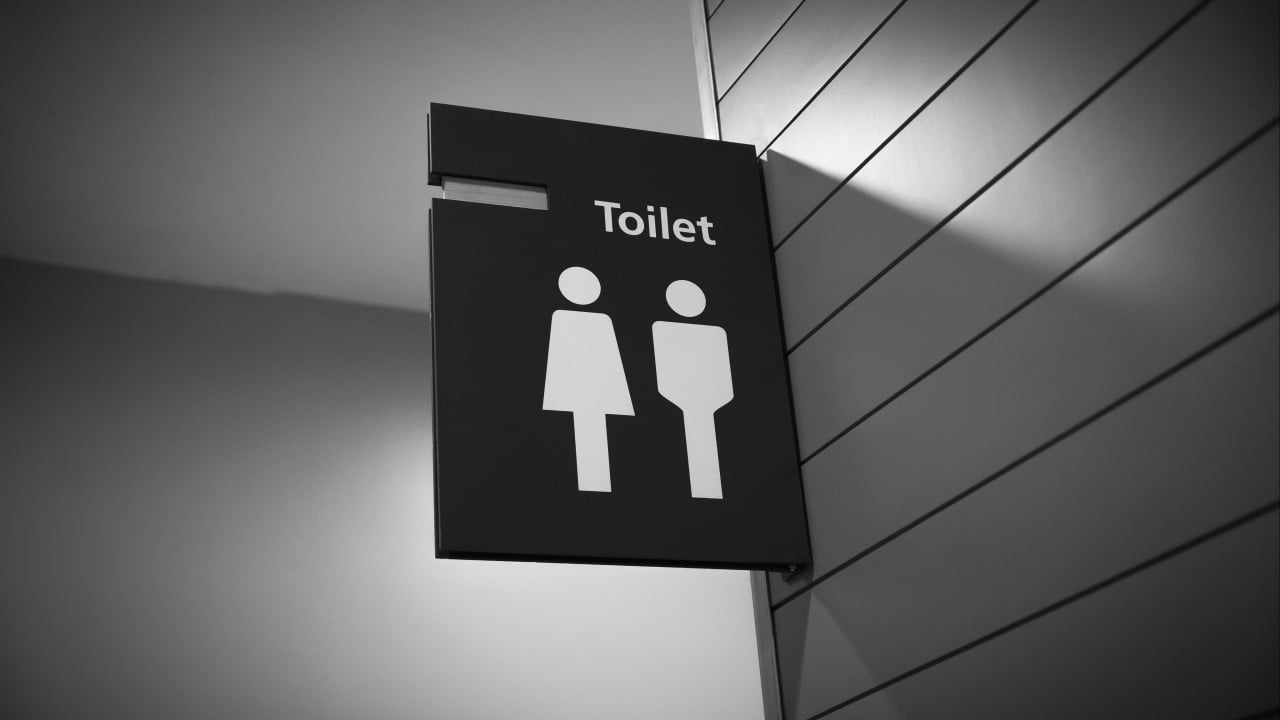
A South Korean cafe owner recently decided to charge 1,800 won—about $1.35—for a "toilet only" menu item, and the internet basically lost its mind. It sounds absurd at first. You're walking down a busy street in Seoul, you really have to go, and suddenly you're faced with a digital kiosk asking for a credit card swipe just to unlock a bathroom door. People called it greedy. They called it "inhumane." But if you’ve ever owned a small business in a high-traffic tourist district, you might actually side with the owner.
This isn't just about a buck and some change. It’s a desperate response to a culture where "private property" often gets treated like a "public utility." In South Korea’s hyper-competitive coffee shop scene, the "K-Cafe" culture has hit a breaking point where basic courtesy has vanished.
Why the toilet only menu exists
The cafe in question sits in a prime location. Think high foot traffic, lots of tourists, and very few public restrooms. For years, business owners in these areas have dealt with "restroom hikers"—people who dart into a shop, use the facilities, leave a mess, and walk out without even making eye eye contact with the barista.
The owner didn't wake up one day wanting to be a villain. They were tired. Tired of paying for extra water bills, tired of buying endless rolls of toilet paper for people who aren't customers, and tired of cleaning up after strangers who don't respect the space. By putting "Toilet Use" on the official kiosk menu for 1,800 won, the owner did something radical. They put a price tag on a service that everyone assumed was free.
It’s a bold move. It’s also a signal that the "customer is always right" era is dying a slow death in Seoul. When you buy a coffee, you're paying for the beans, the milk, the electricity, and yes, the right to use the bathroom. If you skip the coffee, you're essentially stealing maintenance costs from a mom-and-pop shop.
The backlash and the reality of modern manners
Critics online went scorched earth. They argued that access to a bathroom is a basic human right. While that's true in a broad, societal sense, it’s not the legal responsibility of a private cafe owner to provide that right at their own expense.
South Korea has a unique "open bathroom" policy in some districts where the government provides subsidies to buildings that leave their toilets open to the public. But those subsidies are often measly. They don't cover the cost of a plumber when someone flushes a wad of paper towels down the drain. For many shop owners, the government check isn't worth the headache.
We see this tension everywhere. In Paris, you pay a Euro to a person sitting at a desk outside the stalls. In London, you might need a coin for a turnstile. The US handles it with "Restrooms for Customers Only" signs and keypad codes on receipts. The South Korean approach is just more high-tech and "in your face" because it uses the same kiosk where you'd order a flat white.
The hidden costs of free bathrooms
Let's break down why "free" is never actually free for the owner.
- Maintenance and Labor: Someone has to scrub that toilet. If a staff member spends 20 minutes a day cleaning up after non-customers, that’s 20 minutes they aren't serving paying guests.
- Supply Chain: Toilet paper, hand soap, and paper towels aren't cheap. In a high-traffic area, a cafe can go through hundreds of dollars of these supplies every month.
- Wear and Tear: Commercial plumbing isn't invincible. The more people use a facility, the faster it breaks.
A symptom of a bigger problem in urban design
The outrage shouldn't be directed at the cafe owner. It should be directed at city planners. If a private business feels the need to charge $1.35 for a bathroom break, it means the city has failed to provide enough public infrastructure.
Seoul is a world-class city, but like many metropolises, its public restroom density hasn't kept pace with its "cafe hopping" popularity. When the government fails, private businesses become the fallback. The 1,800 won fee is a protest. It’s the owner saying, "I am not a public service provider."
How to handle this as a traveler or local
If you find yourself in a neighborhood like Hongdae or Myeong-dong and nature calls, don't be the person who tries to sneak past the counter. It's awkward for everyone.
Instead of getting angry at a "toilet fee," just buy the cheapest thing on the menu. You get a water or a small snack, the owner gets a sale, and you get a code for the door. It’s a fair trade. If you’re truly against the idea of paying for a bathroom, look for subway stations or large department stores like Lotte or Hyundai. They have massive, clean, and truly public restrooms that won't charge you a dime.
The 1,800 won menu item might disappear if the PR nightmare gets too loud, but the sentiment behind it won't. Small businesses are struggling with rising rents and labor costs. They don't have the margin to be the neighborhood's free janitor.
Respect the space. Pay for the service. Or find a public park.
Next time you see a "customers only" sign, remember that it's a boundary set by someone trying to keep their lights on. Support the business, and they’ll keep the stalls clean for you. That’s how the economy works, even behind a locked bathroom door.