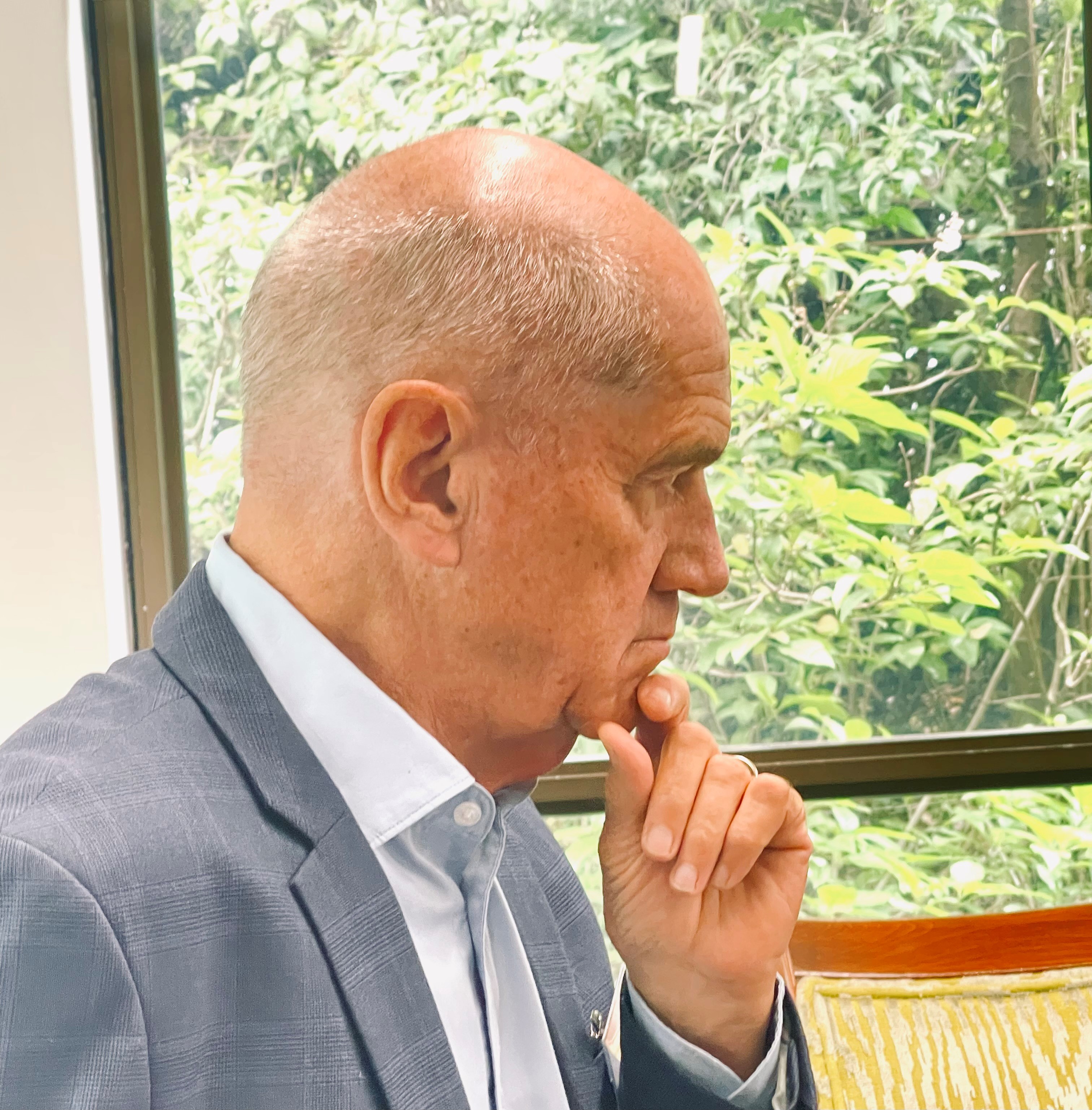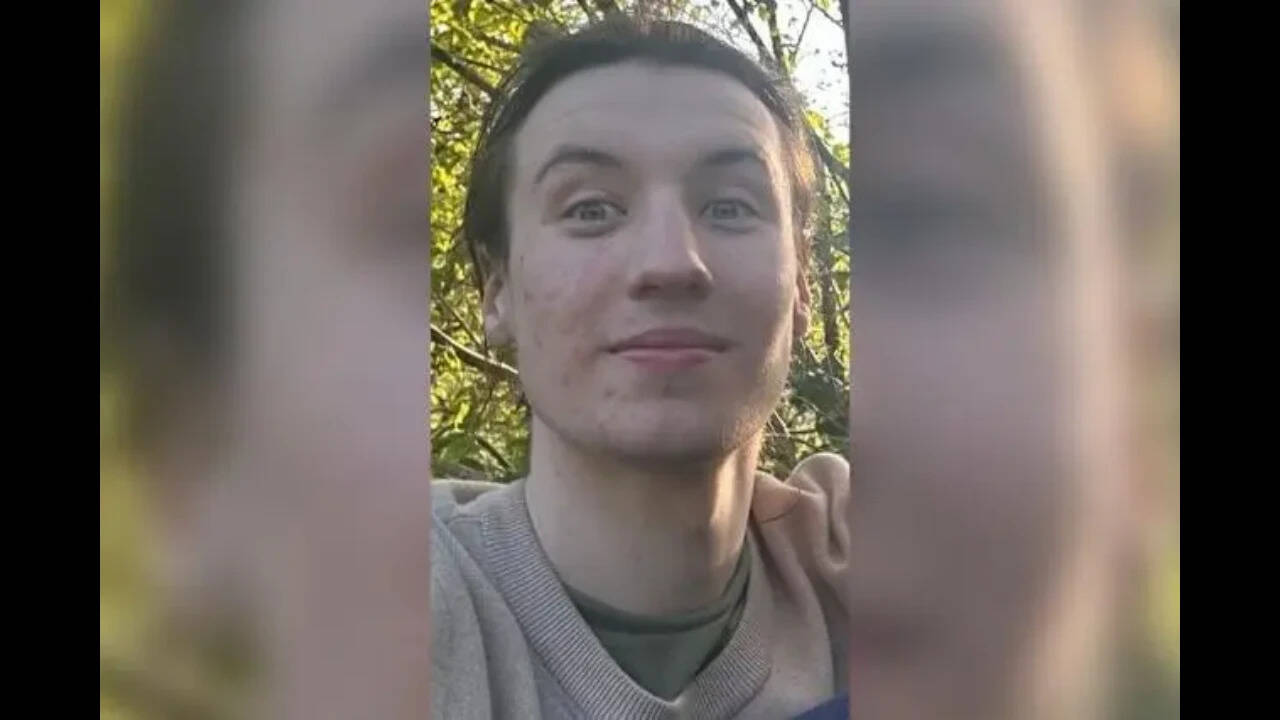
A 27-year-old man from Enfield, Oliuwadamilola Ogunyankinnu, stood before the Old Bailey today, April 15, facing a murder charge for the daylight stabbing of 21-year-old film student Finbar Sullivan. The hearing marks a grim milestone in an investigation that began on April 7, when Sullivan was found dying near the iconic north London viewpoint. This case is not just another statistic in London's knife crime ledger; it represents a violent breach of one of the city's supposedly safest sanctuaries. While the court proceedings begin to grind through the legal machinery, the tragedy exposes a widening gap between police reassurances and the reality of street violence that has now moved from midnight back alleys into the midday sun of premier public parks.
The Viewpoint as a Crime Scene
Primrose Hill is where London goes to breathe. It is a place of panoramic views, expensive real estate, and a carefully cultivated sense of tranquility. That image shattered at approximately 18:41 on Tuesday, April 7. Finbar Sullivan, a student at the London Screen Academy described by his father as a source of "warmth and enthusiasm," was caught in a confrontation that ended his life in front of witnesses.
Another man in his 20s was found nearby on Regent’s Park Road with non-life-threatening stab wounds. This suggests a frantic, multi-stage altercation rather than a single isolated strike. The Met Police have since flooded the area with "reassurance patrols," but for the residents of NW3, the presence of high-visibility vests serves as a reminder of what they failed to prevent.
The Defendant and the Charge
Ogunyankinnu, of Southbury Road, Enfield, was arrested three days after the attack. His appearance at the Old Bailey follows a brief stint at Stratford Magistrates’ Court, where District Judge Ashwinder Gill deemed the matter too grave for a lower court's jurisdiction.
The prosecution’s narrative is still forming, but the timing of the attack—during daylight hours in a busy public space—indicates either a total lack of concern for detection or a level of aggression that bypassed any traditional fear of the law. A second man, aged 25, was arrested on suspicion of assisting an offender but has since been released with no further action. This leaves Ogunyankinnu as the central figure in a case that the Metropolitan Police are treating with extreme urgency.
A Pattern of Escalation
To understand why this specific killing has sent such a shockwave through the capital, one must look at the precedent. It was only on New Year’s Eve in 2023 that 16-year-old Harry Pitman was killed on this very same hill. In that case, Areece Lloyd-Hall, who was recently sentenced to a minimum of 16 years, used a hunting knife to end a life over a trivial "scuffle."
The parallels are haunting. Both incidents involved:
- Young victims with promising futures.
- Highly public, "safe" locations.
- The use of blades carried into spaces where families and tourists gather.
The reality is that the "viewpoint" has become a flashpoint. Despite the installation of new security measures and the promise of better monitoring after the Pitman murder, the hill remains vulnerable.
The Institutional Failure
The Met’s response has followed the standard post-crisis manual: a flurry of arrests, a dedicated portal for CCTV footage, and the aforementioned patrols. However, the investigation into Sullivan’s death raises uncomfortable questions about the effectiveness of current knife crime strategies. If a 27-year-old feels emboldened to engage in a fatal stabbing in a park filled with people, the deterrent effect of "stop and search" or community policing is clearly failing at the most basic level.
Detective Inspector Andy Griffin, leading the probe, has appealed for social media footage. We live in an era where murders are filmed on smartphones before the police even arrive. This digital trail provides evidence for the Old Bailey, but it does nothing to stop the blade from being unsheathed in the first place.
The Human Cost
Finbar Sullivan was part of a creative community at the London Screen Academy. He was a natural entrepreneur, a filmmaker in the making, and a son. His death is a profound loss to the city's cultural future. When a student cannot walk through a park at dusk without becoming a victim of a "fatal attack," the city has failed its youth.
The legal process for Ogunyankinnu will now move toward a plea and trial preparation hearing. He remains in custody, a standard procedure for murder charges given the flight risk and the severity of the offense. The Old Bailey will eventually decide his guilt, but the verdict on public safety in London’s parks has already been delivered by the events of April 7.
The investigation is ongoing, and the police are still seeking witnesses who may have seen the initial "fight" that led to Sullivan's death. This is not just a plea for evidence; it is a desperate attempt to piece together a society that is becoming increasingly fragmented by casual, high-stakes violence.