Military planners in Washington are currently grappling with a reality that many casual observers miss. Comparing a potential conflict with Iran to the 2019 pressure campaign against Venezuela is a fundamental error in strategic logic. While the Venezuelan operation relied on internal collapse and diplomatic isolation, any serious move against Tehran involves a multi-front regional conflict that could consume months of intensive combat and decades of reconstruction. The timeline is not measured in days or weeks, but in cycles of escalation that the United States has not faced since the mid-20th century.
The primary difference lies in structural resilience. Venezuela was a hollowed-out state with a military focused on internal policing and resource extraction. Iran is a regional hegemon with a deeply integrated network of proxies, a sophisticated domestic arms industry, and a geography that turns every kilometer of advance into a logistical nightmare. This isn't just about different regimes. It is about the fundamental physics of modern warfare.
The Myth of the Five Week Victory
Defense analysts often get trapped in the spreadsheet trap. They look at the number of airframes, the tonnage of munitions, and the theoretical destruction of command-and-control nodes. From this data, they derive a timeline—often cited as thirty-five to forty days—to achieve "operational dominance." This is a dangerous fantasy.
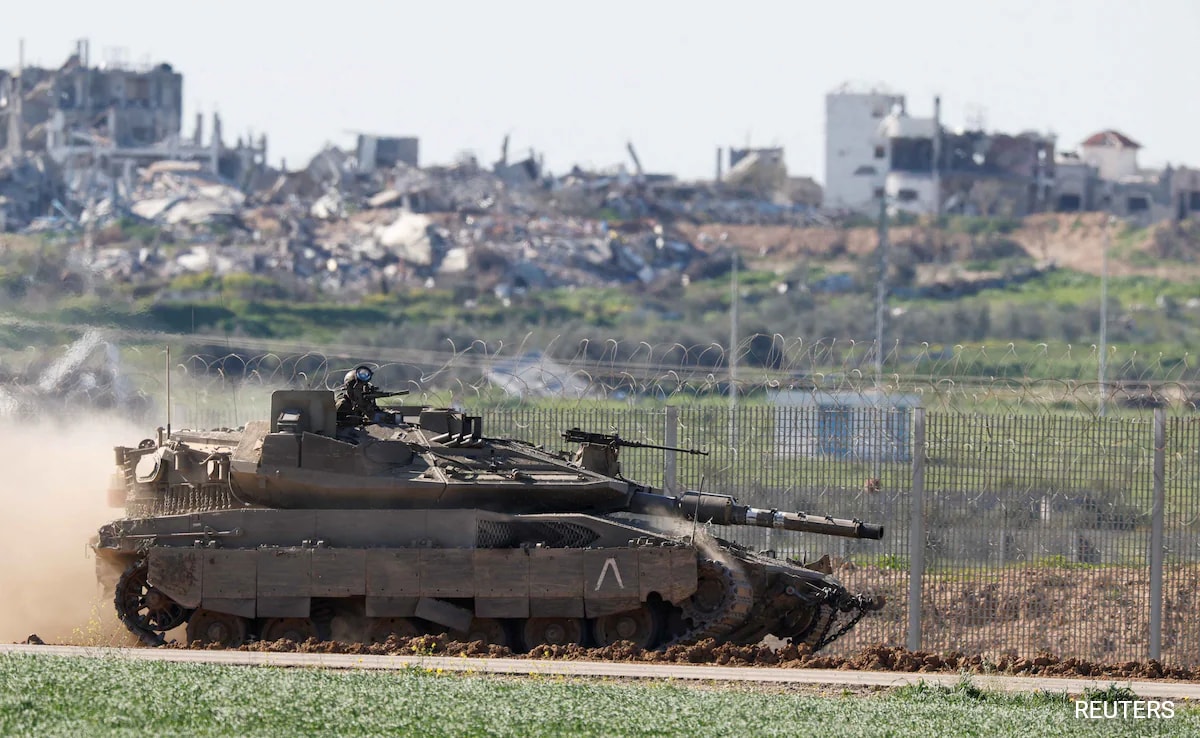
Winning the air is easy. Holding the ground and securing the waterways is where the math breaks down. Iran has spent forty years preparing for exactly this scenario. They don't plan to win a dogfight against an F-35. They plan to make the cost of staying in the Persian Gulf so high that the American public demands a withdrawal. By utilizing thousands of fast-attack boats, mobile cruise missile batteries, and "suicide" drones, they can turn the Strait of Hormuz into a graveyard of global trade.
If the U.S. military attempts to replicate the "maximum pressure" tactics used in Caracas, they will find that Tehran does not fold under the weight of a sanctioned currency. The Iranian economy has built a hardened, if inefficient, "resistance" structure that functions specifically to keep the security apparatus funded while the civilian population bears the brunt.
Deep Geography and the Asymmetric Shield
Geography dictates destiny in the Middle East. Venezuela’s heartland is relatively accessible, with a coastline that allows for easy naval positioning. Iran is a mountain fortress. The Zagros Mountains provide a natural barrier that protects the interior from ground invasion and creates literal blind spots for radar and kinetic strikes.
The Proxy Factor
You cannot talk about Iran without talking about its reach. Unlike the Maduro government, which had limited ideological influence beyond its borders, Tehran controls a "Land Bridge" stretching to the Mediterranean.
- Lebanese Hezbollah: A standing army with more rockets than most NATO members.
- The Houthis: A battle-hardened force capable of closing the Red Sea.
- Iraqi Militias: Groups that can strike American bases with zero warning.
In a conflict, these groups do not wait for orders. They trigger pre-planned contingencies. This means that on Day One of an "Iran operation," the United States is actually fighting a war in four or five different countries simultaneously. This horizontal escalation makes the Venezuelan model—which was largely contained within one sovereign border—completely irrelevant.
The Intelligence Gap and the Human Element
We often assume that superior technology equates to superior intelligence. This was the fatal flaw in the planning for the 1953 coup in Iran and the more recent miscalculations in the Levant. The Iranian intelligence apparatus, specifically the Quds Force, operates on a level of cultural and linguistic integration that Western agencies struggle to match.
They understand the "street" in Baghdad, Beirut, and Sana’a better than any satellite ever could. This allows them to shift assets, hide high-value targets in plain sight, and maintain communication channels even when the formal internet is severed. While the U.S. might be looking for a "center of gravity" to strike, the Iranian system is designed to be a decentralized web. You can break a link, but the web remains.
The Economic Suicide Pact
The global markets would react to a conflict with Iran in a way that would make the 2008 financial crisis look like a minor market correction. Venezuela’s oil was largely heavy crude, and its production was already in a tailspin before the U.S. moved in. Iran sits on the world's most vital energy artery.
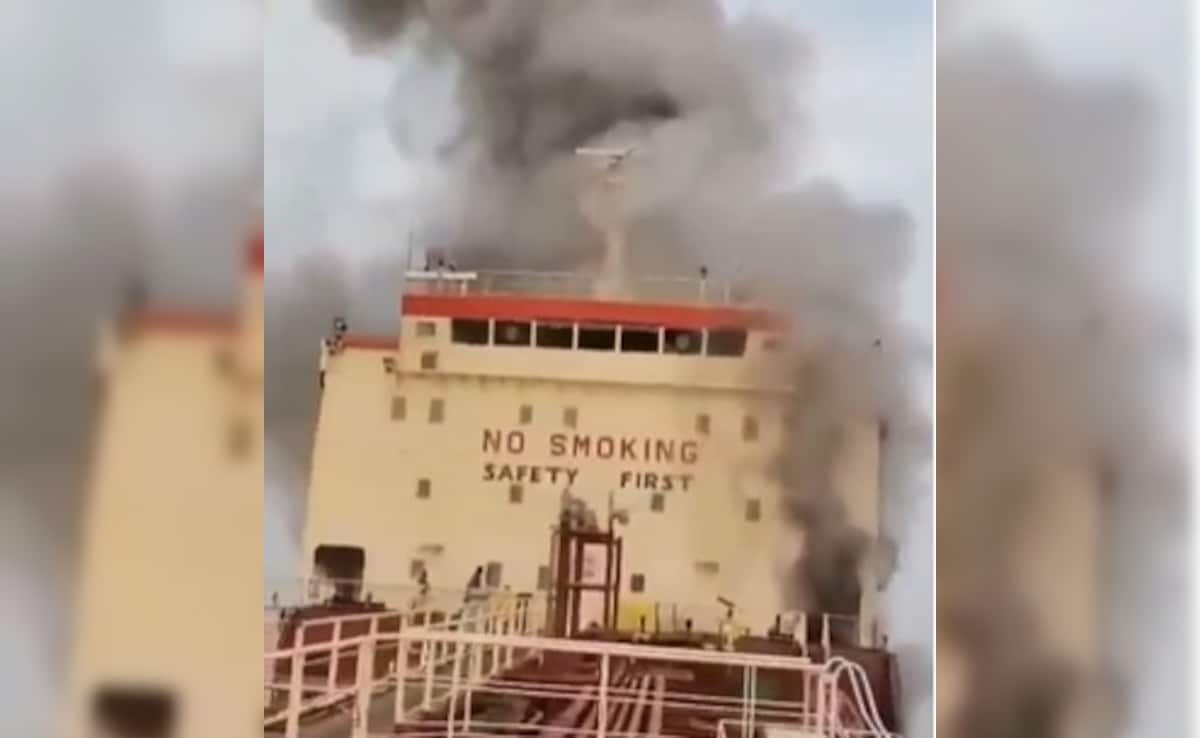
A single mine in the Strait of Hormuz raises insurance premiums for every shipping container on the planet. This isn't just about the price of gas at the pump in Ohio. It is about the entire global supply chain—semiconductors from Taiwan, grain from Ukraine, and manufactured goods from China—suddenly stopping because the maritime insurance industry has effectively shuttered the Middle East.
Washington’s "war gaming" often ignores the political pressure that comes when the S&P 500 drops 20% in a week. The Venezuelan operation didn't threaten the global retirement funds of the middle class. An Iranian conflict would.
The Failure of Technical Overmatch
There is a tendency in the Pentagon to believe that enough precision-guided munitions can solve any political problem. They call it "kinetic diplomacy." It failed in Afghanistan. It reached a stalemate in Iraq. In Iran, it would likely be a catastrophe.
The Iranian military has spent decades studying American "Shock and Awe" tactics. They have moved their most sensitive nuclear and military facilities hundreds of meters underground into reinforced bunkers that even the heaviest "Bunker Buster" bombs struggle to penetrate. This forces the U.S. into a binary choice: either engage in a multi-year air campaign that achieves only partial results, or commit to a ground invasion that would require a draft and trillions of dollars.
Neither of these options was on the table for Venezuela. The stakes were lower, the risks were contained, and the objective was regime change through internal fracture. Iran is a different beast entirely. It is a nationalist project with a deep historical memory of foreign intervention. Nothing unites the Iranian public—even those who hate the current government—faster than a foreign bomb falling on an Iranian city.
The Nuclear Clock
Finally, there is the issue of the breakout. Any conventional strike on Iran risks triggering a "dash to the bomb." If the leadership in Tehran feels that their survival is at stake, the last remaining restraint on their nuclear program vanishes. They would have every incentive to produce a functional warhead as a final deterrent.
This creates a paradox for American planners. To stop the nuclear program, you must strike. But by striking, you ensure that the program becomes the regime's only priority. It is a circular logic that leads to a permanent state of war rather than a "five-week operation."
The transition from "maximum pressure" to "maximum conflict" is not a linear path. It is a cliff. Those who suggest that the tactics used in the Caribbean can be exported to the Persian Gulf are not just wrong; they are dangerous. The complexity of the Iranian state, the lethality of its proxies, and the fragility of the global economy create a scenario where there are no easy wins, only varying degrees of disaster.
The next move for the United States isn't about finding a better military plan. It is about acknowledging that the old playbooks are obsolete.