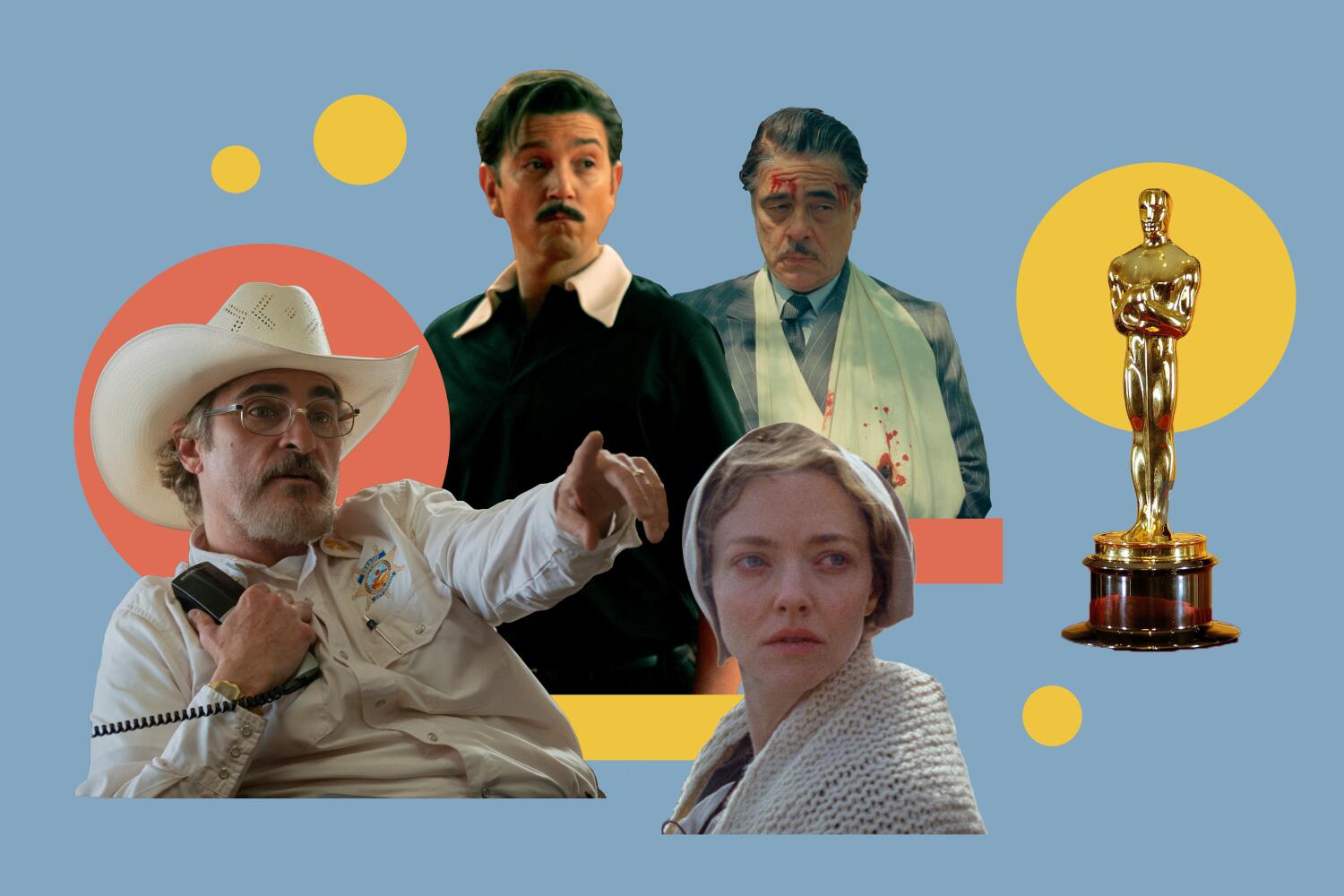
The annual ritual of the Oscar "snub" is a choreographed lie. Every spring, critics and film Twitter engage in a performative meltdown over which mid-budget drama was left off a list compiled by a geriatric voting bloc that barely watches the movies they rank. We are told that the Academy Awards represent the pinnacle of cinematic achievement. We are told that a "Best Picture" win validates an artist's soul.
It is all theater. And not the good kind.
The "lazy consensus" among critics—the ones currently weeping over a lack of nominations for a specific indie darling—is that the Oscars need to be "fixed" to remain relevant. They argue for more diversity, more populism, or a more rigorous voting process. They are wrong. You cannot fix a foundation built on the vanity of a dying industry. The Academy Awards are not a meritocracy; they are a trade show for a distribution model that no longer exists.
The Myth of the Snub
To be "snubbed," one must first have a right to be included. The term implies a moral failing on the part of the Academy. This is the first mistake. The Academy of Motion Picture Arts and Sciences is a private club. When they ignore a masterpiece in favor of a mediocre biopic about a famous person with a prosthetic nose, they aren't failing their mission. They are fulfilling it.
The Oscars exist to protect the brand of Hollywood. They are a marketing campaign designed to extend the "theatrical window." I have seen studios spend $20 million on a "For Your Consideration" campaign for a film that only made $5 million at the box office. That isn't art appreciation. That is money laundering for prestige.
When you complain that a certain director was "overlooked," you are playing into their hands. You are validating the idea that their trophy is the objective gold standard. It isn't. It is a weighted average of what 10,000 industry insiders think will make their profession look respectable for one night on ABC.
The Math of Mediocrity
The voting system itself is engineered to produce the most inoffensive winner possible, not the best one. Since 2009, the Academy has used a preferential ballot for Best Picture.
In a standard plurality vote, the film with the most #1 votes wins. In a preferential system, voters rank the nominees. If no film gets 50%, the film with the fewest #1 votes is eliminated, and those votes are redistributed to the #2 choice. This repeats until a winner emerges.
$$P_w = \text{argmax}(V_{dist})$$
This mathematical quirk favors the "consensus" pick—the movie that everyone liked but nobody loved. It punishes innovation. It punishes provocation. It rewards the cinematic equivalent of oatmeal: warm, familiar, and easy to swallow. If a film is truly groundbreaking, it will be divisive. Divisive films do not win preferential ballots. They get eliminated in round two because half the room put them at #10.
Stop asking why the "best" movie didn't win. The system is designed to ensure the "safest" movie wins.
The Populism Trap
Critics often argue that the Oscars are losing ratings because they don't nominate enough blockbusters. "Nominate Spider-Man!" they cry, "And the people will return!"
This is a fundamental misunderstanding of why people watch television. People don't watch the Super Bowl because they want to see the "best" athletes; they watch it because they want to see a high-stakes conclusion to a season of competition.
Cinema is no longer a seasonal competition. It is a fragmented ecosystem. The "average viewer" does not feel a connection to a period piece about 19th-century whaling because they haven't seen it. And they haven't seen it because the theatrical experience is a hostile environment of $15 popcorn and broken projectors.
Adding a "Fan Favorite" category—as the Academy desperately tried to do—is like a failing church adding a rock band to the Sunday service. It smells of desperation and only succeeds in alienating the few remaining true believers without attracting any new ones. You cannot bridge the gap between "Cinema" and "Content" with a trophy.
The Expertise Gap
We need to talk about who is actually voting. The Academy has made strides to diversify its membership, but the core remains an aging demographic of industry veterans.
I have spoken to voters who admit to handing their ballots to their assistants. I have heard members brag about not watching the animated features because "cartoons are for kids." This is the "expertise" we are supposed to revere.
The industry is currently obsessed with the "craft" of filmmaking, yet most voters couldn't tell you the difference between a well-edited sequence and a flashy one. They vote for "Most" acting, not "Best" acting. They vote for the actor who lost 40 pounds or spent six hours in a makeup chair. They confuse suffering with talent.
The Counter-Intuitive Truth: The Oscars Should Be More Elitist, Not Less
If the Oscars want to survive, they need to stop pretending to be for everyone. The attempt to be a "big tent" event is what's killing the brand.
Imagine a scenario where the Oscars stopped trying to be a television spectacle. Imagine if they leaned into being an insular, high-brow, unapologetically academic celebration of the medium. Shrink the ceremony. Move it to a small theater. Remove the red carpet fluff. Focus entirely on the technical and narrative breakthroughs that move the needle of the art form.
By trying to compete with the Grammys or the Super Bowl, the Oscars are fighting a war they already lost. They are a legacy product in a digital-first world. Their only value is their exclusivity. By chasing "relevance," they are destroying their only remaining asset: prestige.
The Death of the "Movie Star"
The Oscars rely on the gravity of the Movie Star. But the Movie Star is dead, replaced by the Intellectual Property.
People don't go to see the new Margot Robbie movie; they go to see the Barbie movie. When the IP is the star, the award ceremony becomes a celebration of corporate synergy. Watching a billionaire studio head accept an award for a franchise entry is not compelling television. It’s a shareholder meeting with better lighting.
The "insider" secret is that the actors themselves know this. The desperation on the campaign trail isn't about the love of the craft; it’s about the "Oscar bump"—the contractual pay raise that comes with the title. It’s a labor dispute masked as a gala.
Stop Trying to "Fix" the Broadcast
Every year, producers try to "save" the Oscars by cutting the technical awards or hiring a "hip" host. This is like rearranging the deck chairs on the Titanic while the iceberg is already inside the engine room.
The problem isn't the length of the show. The problem is that the "product" being celebrated—the mid-budget, adult-oriented drama—has been evicted from theaters and moved to streaming services. When you watch a "Best Picture" nominee on your iPad while folding laundry, the "magic of the movies" is officially dead.
You cannot have a grand, theatrical awards show for a medium that is increasingly consumed in 15-second chunks on a vertical screen.
The Actionable Truth for the Viewer
Stop waiting for the Academy to tell you what is good.
The "People Also Ask" sections of the internet are filled with queries like "Why didn't [X] win?" or "Is the Oscars rigged?"
The answer is simpler: The Oscars are a lagging indicator. They tell you what was important to the industry two years ago. If you want to know where cinema is going, look at the festivals they ignore. Look at the international films they relegate to a single category. Look at the creators who are building worlds without a single cent from a major studio.
The prestige economy is crashing. The golden statues are gold-plated lead.
Stop mourning the "snubs." Stop checking the betting odds. Stop treating a trade association's annual dinner as a cultural census. The moment you stop caring if the Academy "gets it right" is the moment you actually start appreciating film.
The Oscars aren't the heart of cinema. They are the funeral.
Stop going to the wake and go back to the movies.