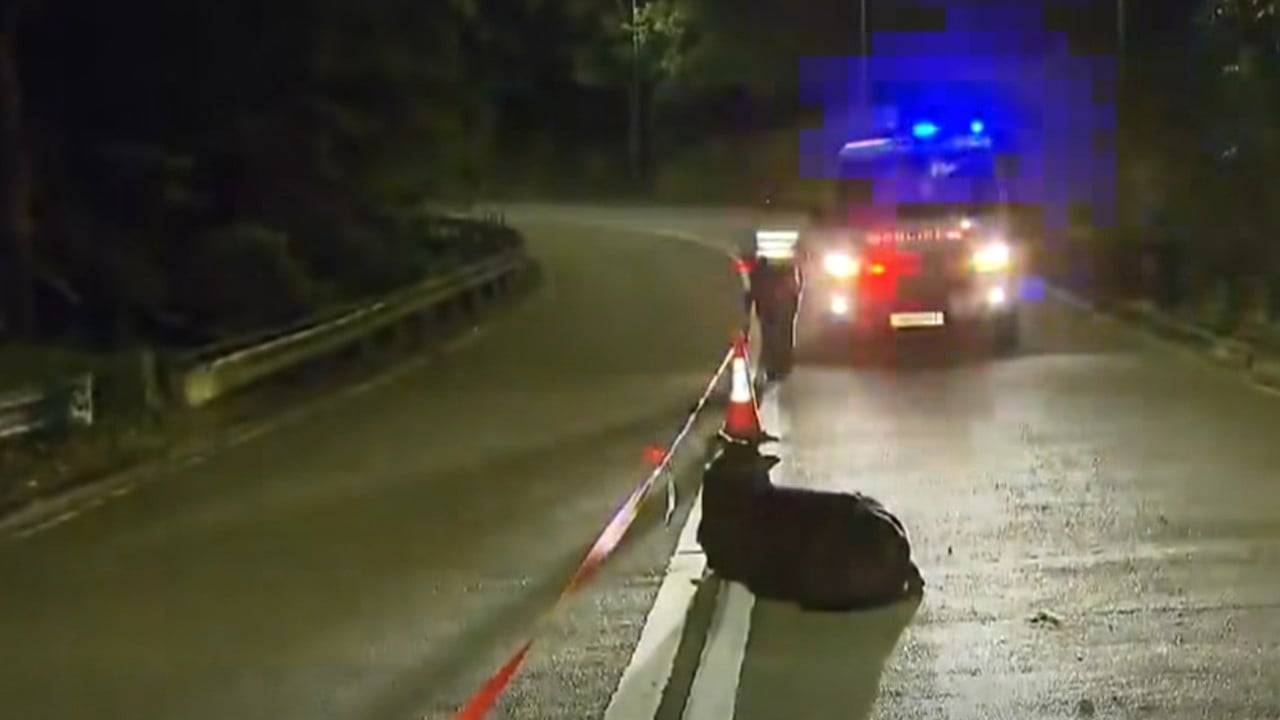
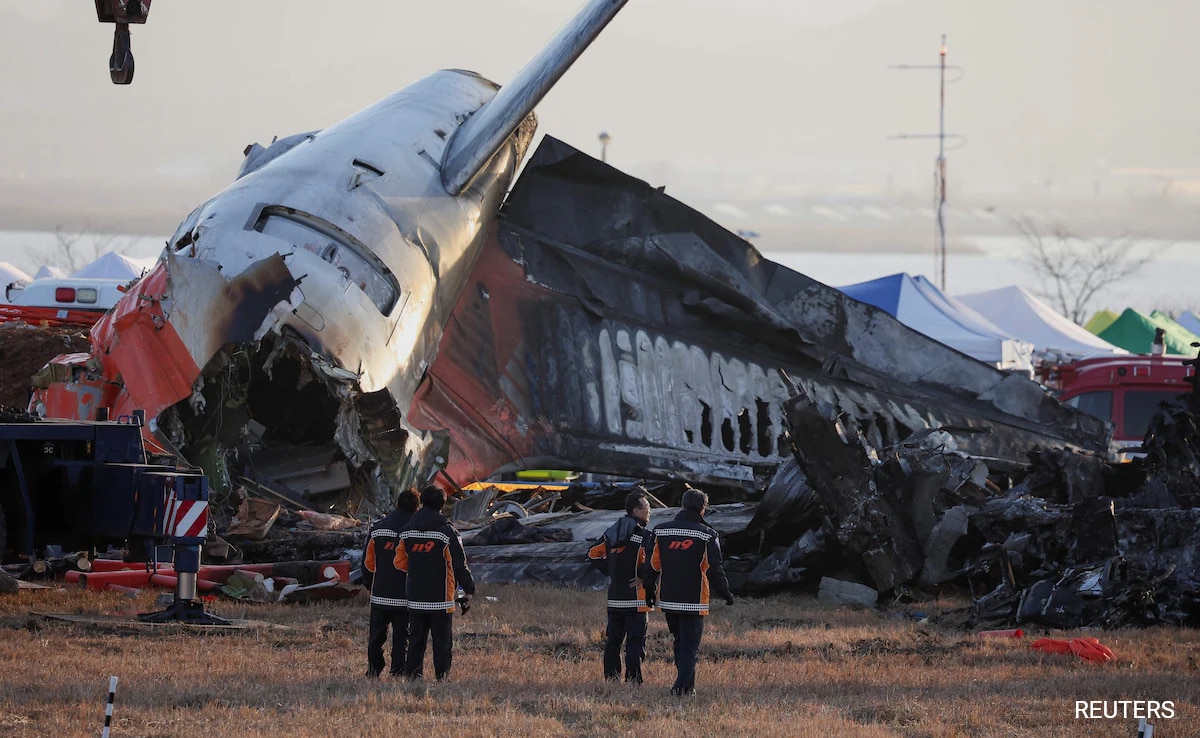
The headlines are already bleeding. A CRJ-900 operating as Air Canada Express clips a red truck on the tarmac at LaGuardia. The flight crew is gone. The internet is already feasting on the remains, screaming about "pilot distraction" or "tower incompetence."
They are wrong.
If you think this was a simple case of a pilot not looking out the window, you don't understand how a modern airport breathes. You're looking at the symptoms and calling it the disease. Every time an incident like this happens, the industry retreats into a defensive crouch, blaming "human factors" as if that explains anything. It doesn't.
Human error isn't the cause of a crash; it’s the result of a system that was already broken months before the plane even pushed back from the gate.
The LaGuardia Death Trap
LaGuardia is a relic. It is a postage stamp designed for an era of DC-3s, now forced to handle a relentless swarm of regional jets and narrow-body behemoths. When you jam that much metal into that little concrete, you aren't managing an airport; you’re managing a series of near-misses held together by luck and the sheer willpower of air traffic controllers.
The "lazy consensus" says the pilots should have seen the truck. Logic says otherwise.
In a cockpit, your attention is a finite resource. It is a bucket of water that you have to pour into ten different cups. During taxi, you are monitoring frequencies, checking flight instruments, verifying fuel crossfeeds, and navigating a labyrinth of taxiways that look like a bowl of grey spaghetti.
Now, add a "hot spot."
LaGuardia is riddled with them. These are areas where the geometry of the taxiways is so poorly designed that incursions are statistically probable. When a pilot is focused on not clipping a wingtip on a terminal fence or making a tight turn onto Taxiway Tango, a service vehicle moving at 40 mph is an invisible ghost until the moment of impact.
The Myth of the "Visible" Fire Truck
People love to point out that fire trucks are bright red. They have flashing lights. "How could they miss it?"
I’ve spent thousands of hours in flight decks. I’ve seen how the "A-pillar" of a cockpit window can perfectly mask a moving vehicle for ten seconds straight. If the angular velocity of the truck matches the movement of the aircraft, that truck stays pinned behind a piece of metal framing in the pilot’s peripheral vision. It stays there until the physics of the situation becomes unavoidable.
This isn't a failure of vision. It’s a failure of Geometric Situational Awareness.
The competitor articles will tell you we need more training. They’ll say pilots need to "stay vigilant." That’s a garbage take. It’s the equivalent of telling a drowning man to "just keep breathing." You cannot train your way out of a design flaw.
The real culprit is the lack of ASDE-X (Airport Surface Detection Equipment) integration at the cockpit level. We have the technology to track every vehicle on the field with centimeter precision. We have the data to trigger an audio warning in the cockpit: "Vehicle, Taxiway Alpha, 200 feet."
Why don't we have it? Because the FAA and the airlines are locked in a decade-long staring contest over who pays for the hardware. We trade lives for budget line items, then blame the dead pilots to keep the insurance premiums from spiking.
Stop Asking "Who" and Start Asking "How"
The "People Also Ask" sections on search engines are currently flooded with variations of: "Was the pilot tired?" or "Did the fire truck have its radio on?"
These are the wrong questions.
You’re looking for a villain. You want a name to drag through the mud so you can feel safe the next time you board a flight to LGA. But the industry doesn't need villains; it needs a total teardown of the Ground Movement Paradigm.
Here is the brutal truth: Ground vehicles on major airports operate in a different reality than the aircraft. In many cases, they aren't even on the same radio frequency as the planes they are weaving between.
Imagine a scenario where you are driving on a highway, but the semi-trucks next to you are talking to a different dispatcher on a different channel, and neither of you has a map of where the other is going. That is the current state of American airport taxiways. It is a miracle this doesn't happen every single day.
The E-E-A-T Reality Check: The Battle Scars
I have watched airlines blow $50 million on "safety culture" seminars—complete with posters of eagles and catchphrases about teamwork—while refusing to spend $500,000 to upgrade the ground radar interfaces.
I have sat in safety briefings where the "expert" (who hasn't touched a yoke in twenty years) explained that "standard operating procedures" (SOPs) are the cure-all. SOPs are great for a laboratory. They fall apart in a blizzard at LaGuardia when the markings on the ground are obscured by slush and the controller is barking instructions at 300 words per minute.
The pilots who died in that Air Canada Express jet weren't rookies. They were the product of a system that demands 100% perfection from humans while providing them with 1970s-era tools.
The Automation Paradox
We are currently in a dangerous middle ground. We have enough automation to make pilots complacent, but not enough to actually save them when things go sideways on the ground.
Most people assume the autopilot handles everything. The reality? The most dangerous part of your flight is the taxi. There is no "autoland" for the taxiway. It is purely manual, purely visual, and increasingly crowded.
If we want to stop killing pilots and passengers in "freak accidents" involving ground vehicles, we have to stop treating the taxiway like a parking lot and start treating it like a high-speed, automated transit corridor.
- Mandatory ADS-B Out for all ground vehicles. If it has wheels and touches the tarmac, it must broadcast its position to every cockpit in the vicinity. No exceptions. No "legacy vehicle" waivers.
- Cockpit Surface Displays. Give the pilots a moving map on their Primary Flight Display (PFD) that shows other traffic. Expecting a human to see a red truck against a background of red runway lights and neon terminal signs is a physiological impossibility.
- Decentralized Control. We need to move away from a single controller in a tower trying to play God with 60 moving pieces of metal. We need mesh networks where vehicles and planes talk to each other directly.
The Cost of the Status Quo
The downside of my approach? It’s expensive. It requires a level of federal mandate that the current lobbyist-heavy environment hates. It means grounding planes that don't have the new tech. It means slowing down the "push-and-go" culture that makes airlines their billions.
But the alternative is what we saw at LaGuardia.
A multi-million dollar airframe turned into scrap metal. Families destroyed. A critical piece of infrastructure paralyzed.
The industry will call this a "tragedy." I call it a predictable outcome of systemic negligence. If you’re waiting for the NTSB report to tell you something "new," save your time. They will find "contributory negligence" on the part of the crew. They will recommend "enhanced training." They will do exactly what they did after the 2006 Comair crash in Lexington or the 2023 runway incursions that nearly turned Austin and JFK into graveyards.
They will fix the people because fixing the system is too hard.
Stop Blaming the Dead
The pilots aren't here to defend themselves. They can't tell you about the glare off the wet pavement or the confusing instruction from ground control that had them looking at a chart instead of the taxiway.
But I can.
Every pilot has had a "there but for the grace of God" moment on the ground. We’ve all missed a turn or failed to see a vehicle until it was uncomfortably close. The difference is usually a few inches or a few seconds.
The Air Canada Express crew didn't run out of skill. They ran out of luck in a system that makes luck a prerequisite for survival.
If you want to honor the pilots who died, stop looking for what they did wrong. Start looking at why they were put in a position where one second of diverted attention meant a death sentence.
Tear down the fences between the tower, the ground crews, and the cockpits. Stop pretending that a "see and avoid" rule written in 1940 is sufficient for 2026.
The fire truck didn't kill those pilots. The bureaucracy did.