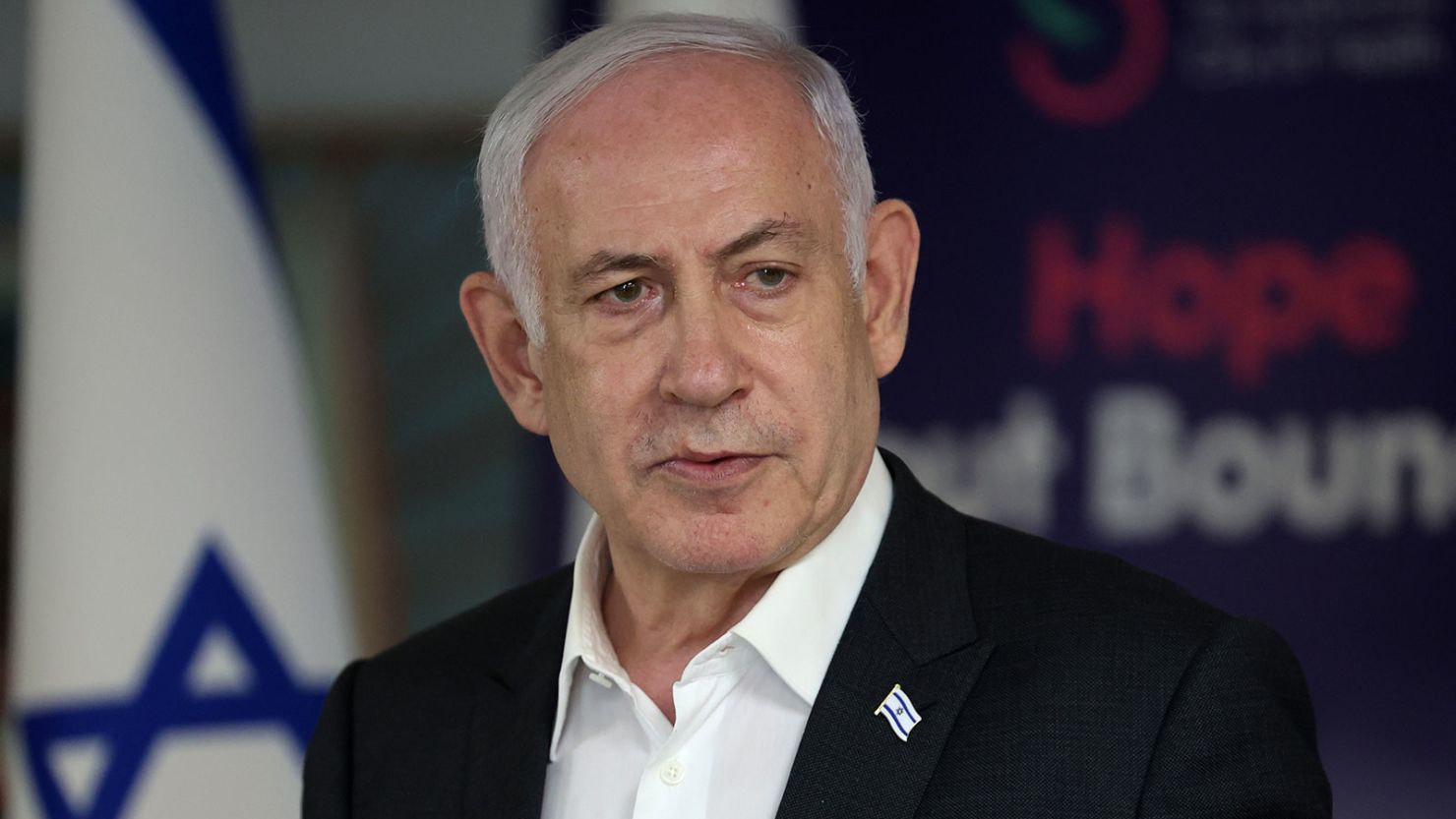
Benjamin Netanyahu is sounding the alarm again, but this time his target isn't just a physical border. It’s a digital one. In a series of recent statements, including a high-profile interview with CBS News, the Israeli Prime Minister claimed that coordinated bot farms based in Pakistan are the real engine behind the massive surge in anti-Israel sentiment among Gen Z and Millennials in the United States. He’s basically saying that the protests you see on TikTok and the viral threads on X aren't all organic. They're manufactured.
It's a bold claim. It's also a convenient one for a leader facing historically low approval ratings abroad. According to a Pew Research Center survey from April 2026, 60% of U.S. adults now hold an unfavorable view of Israel. Among the under-30 crowd, that number is even more staggering. They don’t just dislike the policy; nearly half of young Americans now view the U.S.-Israel relationship as a "burden" rather than a benefit.
So, is Pakistan really running a digital puppet show, or is this just a classic case of blaming the messenger?
The Pakistan connection and the digital frontline
Netanyahu’s intelligence suggests that these "bot farms" operate by flooding social media algorithms with high-engagement, emotionally charged content. The goal? To warp the U.S.-Israel alliance by convincing young voters that support for Israel is a moral and financial drain.
Pakistan has long been a hub for low-cost digital labor, but Netanyahu is alleging something much more organized. He’s pointing to a systematic "information war" where automated accounts mimic real American students. They join hashtags, they boost specific reels, and they argue in the comments.
You've probably seen the "All Eyes on Rafah" style posts. While many of those are shared by real people, cybersecurity experts like Roman Kaplun have noted that bot networks from places like Iran and Pakistan often provide the "initial spark." They push a post to the point where the algorithm takes over and serves it to millions of unsuspecting users.
Why young Americans are the primary target
If you’re under 25, your worldview is shaped by what scrolls past your thumb. Netanyahu knows this. He recently compared himself to Winston Churchill, arguing that just as Churchill was called a "warmonger" for warning about Hitler, he’s being unfairly maligned by a digital "axis of misinformation."
The numbers back up why he's worried:
- 70% of Americans aged 18 to 49 hold a negative opinion of Israel as of early 2026.
- Only 16% of Gen Z sees the alliance as beneficial to the United States.
- 84% of young Democrats now view Israel unfavorably.
The disconnect is massive. For older generations, Israel is a democratic ally in a tough neighborhood. For younger Americans, the lens has shifted. They see the images coming out of Gaza and the West Bank in real-time, often without the context of traditional news filters. Netanyahu argues that bot farms exploit this lack of context, using "emotional appeals" to drive a wedge between the two nations.
Genuine anger vs. manufactured narratives
Here’s where it gets tricky. If you talk to a college student at a protest in New York, they aren't going to tell you a bot convinced them to be there. They’ll point to the 24/7 livestream of the conflict.
Critics of Netanyahu's "bot farm" theory argue that he’s ignoring the "E" in E-E-A-T: Experience. The lived experience of seeing war on social media is what’s driving the shift, not just a server in Islamabad. Even the Harvard Youth Poll suggests that the sentiment is deeply rooted in a change of values regarding foreign military intervention.
However, we can’t ignore that digital warfare is real. Israel itself is reportedly spending over $700 million in 2026 on its own global PR and social media campaigns to counter this narrative. It's a billion-dollar tug-of-war for your attention.
How to spot the strings in your feed
Don't just take a politician's word for it, but don't trust every viral thread either. If you want to know if you're being "botted," look for these signs:
- Account Age: Check the profiles of the most aggressive commenters. If they were all created in the last three months, that's a red flag.
- Repetitive Phrasing: Bots often use the exact same script. If you see ten accounts using the same "opinionated" paragraph word-for-word, it's a farm.
- The 24/7 Poster: Real people sleep. If an account is posting high-intensity political content every hour of the day, it's likely automated.
Instead of just scrolling, diversify where you get your updates. If your entire feed is echoing one side, the algorithm—and maybe a few bot farms—has you exactly where it wants you. Check the source, look for the data, and realize that in 2026, the loudest voice in the room is often the one with the most servers.
Next time a post gets 500,000 likes in an hour, ask yourself if it’s hitting a nerve or just hitting a script. Stay skeptical.
Netanyahu claims Pakistan bot farms target US-Israel alliance
This video provides the specific context regarding Netanyahu's recent allegations about digital propaganda and the foreign networks he claims are influencing American public opinion.