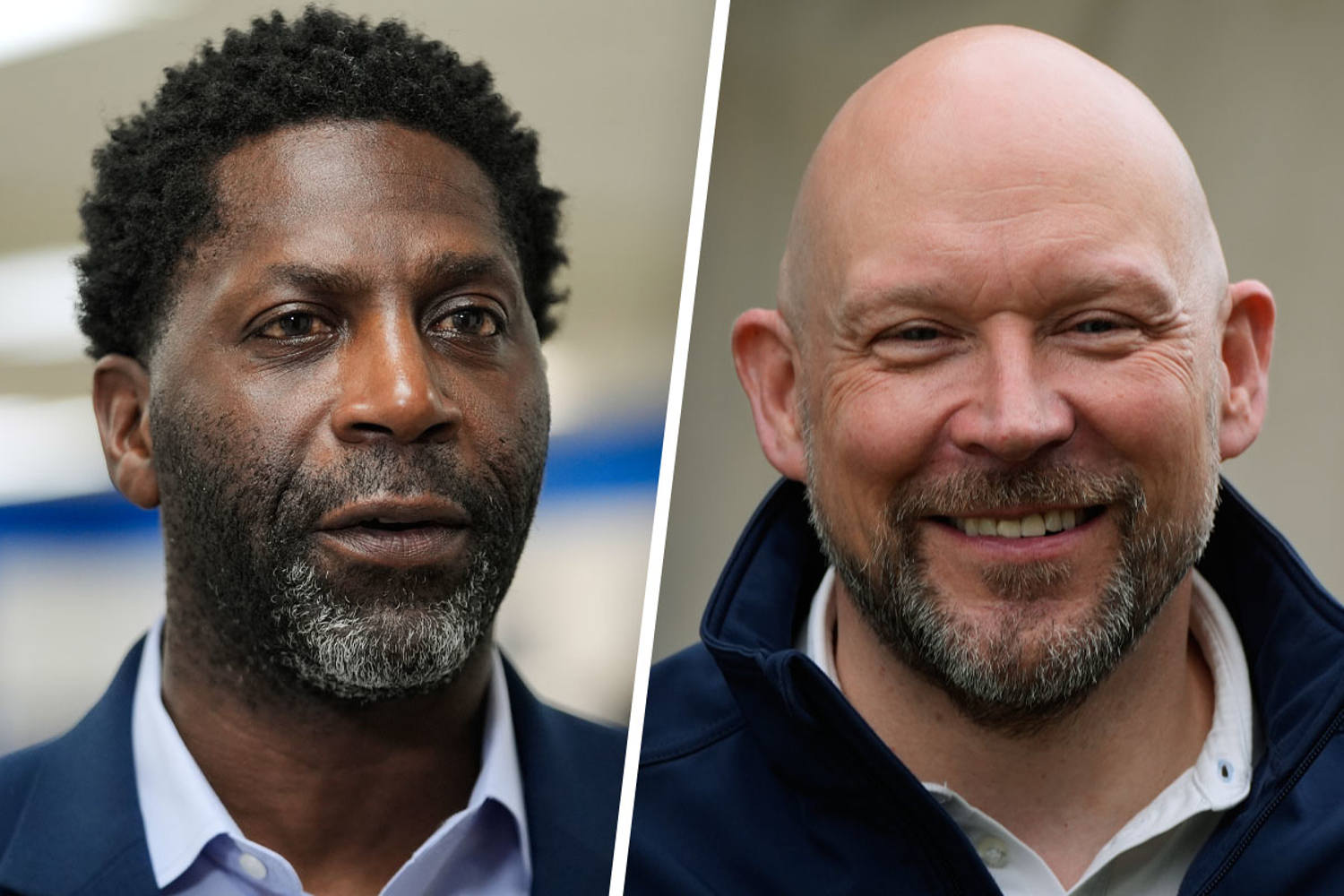
Democrats just breathed a massive sigh of relief in Lansing. For months, the Michigan state Senate sat on a razor's edge, but Tuesday’s special election in the 35th District effectively ended the stalemate. Chedrick Greene, a retired fire captain and Marine veteran, didn't just win; he cleared the path for Governor Gretchen Whitmer to spend her final months in office without a deadlocked upper chamber.
If you've been following Michigan politics, you know the stakes weren't just about one seat in the Tri-Cities area. They were about whether the Democratic agenda would hit a brick wall before the 2026 midterms.
The numbers that saved the Democratic majority
Greene secured roughly 60% of the vote, comfortably beating Republican Jason Tunney. This win preserves the slim 20-18 majority for the Democrats. Had Tunney pulled off an upset, the Senate would've been stuck at a 19-19 tie, forcing Lieutenant Governor Garlin Gilchrist to act as a constant tie-breaker. That’s a messy way to govern, and it usually leads to a legislative logjam where nothing of substance gets across the finish line.
The 35th District is a strange beast. It covers parts of Saginaw, Bay, and Midland counties—a region that often acts as a bellwether for the rest of the Midwest. While Donald Trump carried these three counties in 2024, the specific boundaries of District 35 have stayed more resilient for Democrats. Kristen McDonald Rivet won it in 2022, and her departure for Congress is what triggered this whole special election saga in the first place.
A long wait for a short term
Republicans are rightfully frustrated with how this went down. Governor Whitmer waited nearly 500 days to call this election. During that time, the people of the 35th District didn't have a voice in the Senate. Republicans say it was a calculated move to keep the GOP from potentially flipping the seat sooner. Honestly, they’ve got a point. Leaving a district unrepresented for over a year is a long time, regardless of the political math.
But here’s the kicker: Greene's victory is essentially a sprint. He’s only serving out the final eight months of the term. The whole process starts all over again in November. Tunney has already signaled he's not going anywhere, and the GOP thinks a higher-turnout general election will look much different than a low-turnout special election in May.
What this means for the legislative agenda
With Greene in the seat, the Senate isn't just "not tied." It's active. The Michigan House is currently under Republican control, so we’re still looking at a divided government. However, keeping the Senate Blue means Whitmer has a much stronger hand when negotiating the state budget and high-priority items like affordable housing and medical debt relief.
Democrats spent big on this race for a reason. They saw it as a "temperature check" for the 2026 midterms. When you see big names like Elissa Slotkin and Pete Buttigieg popping up for a state senate race, you know it’s about more than just one local office. It’s about the narrative.
Why the GOP couldn't close the gap
Jason Tunney isn't a weak candidate. He’s a former prosecutor with a solid base. But Greene’s profile as a union member and a veteran played well in a district that values those credentials. The Democratic Legislative Campaign Committee (DLCC) also poured in a quarter-million dollars early on, ensuring Greene had the airwaves dominated before the GOP could catch up.
It's also worth looking at the Libertarian factor. Ali Sledz took about 1.6% of the vote. In a race this tight, every decimal point matters. While Sledz didn't play spoiler this time, third-party candidates are increasingly becoming the variable that neither major party can ignore in Michigan’s "purple" climate.
The November rematch is already starting
Don't expect the dust to settle. This was a battle, but the war for the 35th District is only halfway over. The primary season is right around the corner, and the same names will likely be on the ballot again this fall.
If you live in the Saginaw or Bay City area, get used to the campaign ads. They aren't going away. The real test for Greene is whether he can turn this eight-month "temp job" into a full four-year term when the rest of the state is also heading to the polls. For now, the Democratic trifecta might be broken (since the House is Red), but their hold on the Senate is secure.
Check your voter registration status now if you're in the 35th. You’re going to be doing this all over again in a few months.
Michigan Democrats win special election
This video provides immediate context on the significance of special elections for Michigan's legislative balance and the stakes involved in regaining control.


