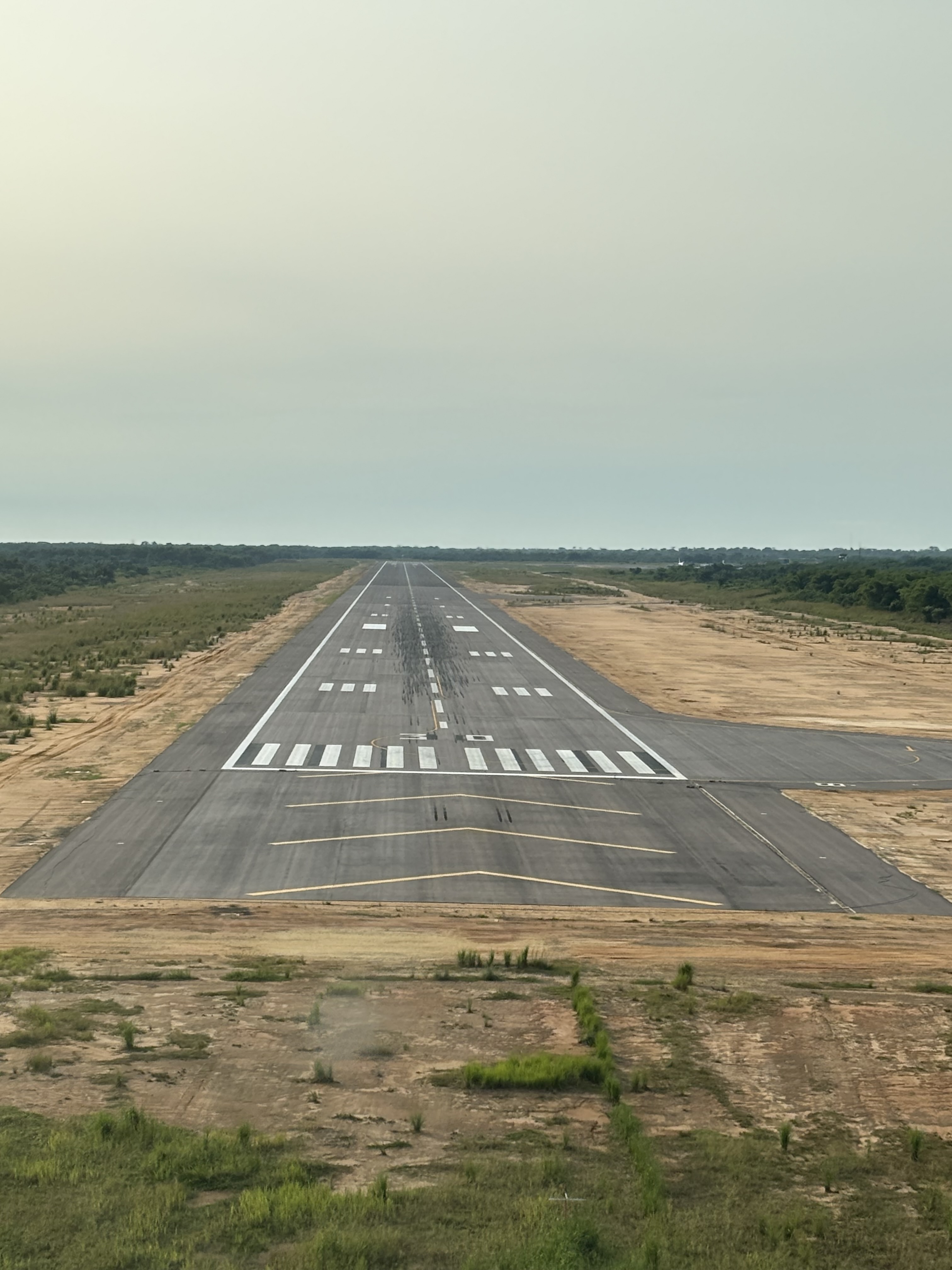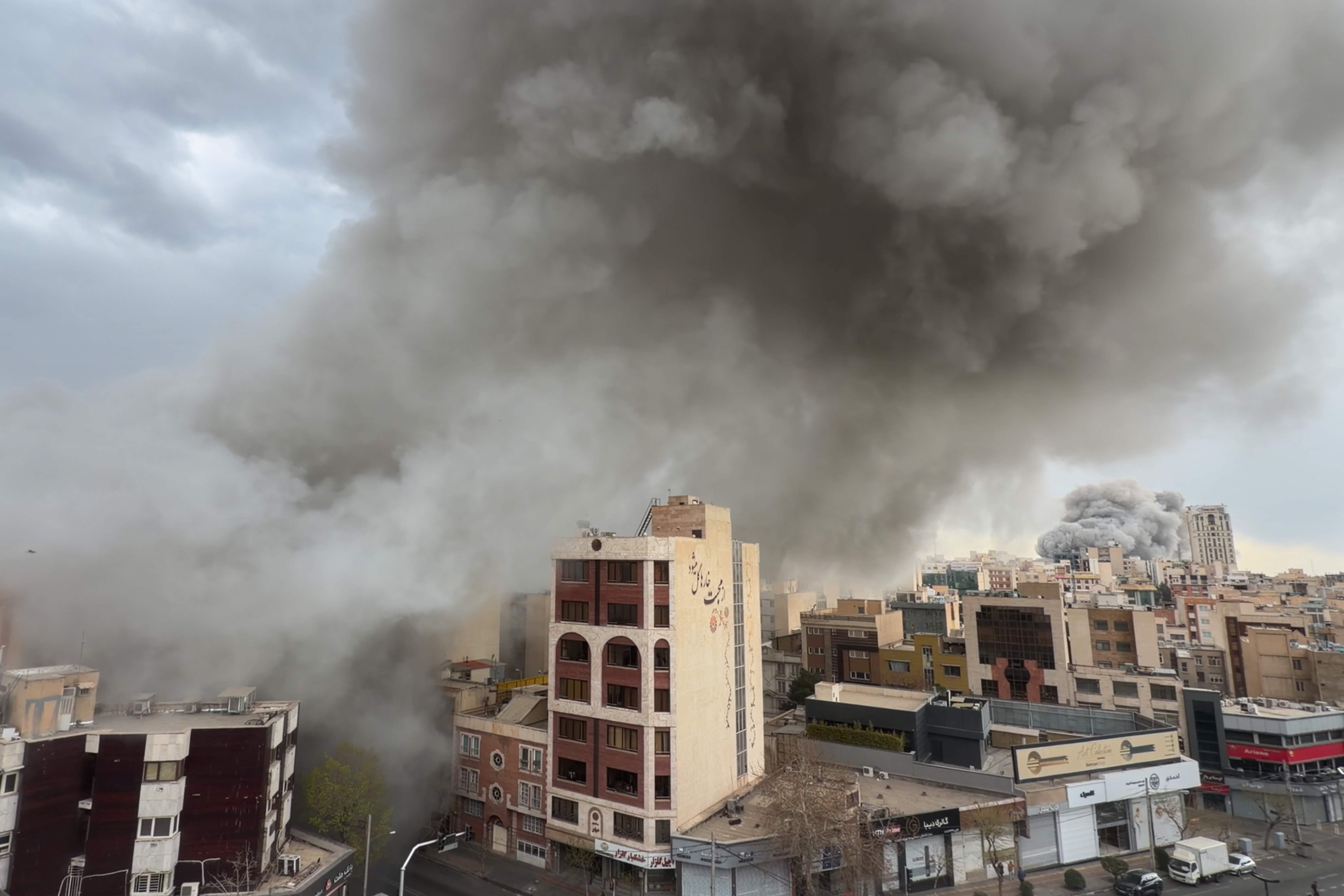
The security of foreign nationals in high-intensity conflict zones is rarely a matter of sudden bad luck; it is the mathematical result of Evacuation Latency—the gap between a clear threat signal and the physical capacity to exit a closing airspace. When regional tensions between state actors like Iran and Israel escalate, the primary risk for Canadian citizens is not merely the kinetic impact of a strike, but the structural collapse of commercial transit corridors. The "tension" reported by those on the ground is the psychological manifestation of a narrowing exit window. Understanding this requires deconstructing the crisis into three distinct operational vectors: Logistics Fragility, Information Asymmetry, and the State-to-Citizen Responsibility Gap.
The Logistics of Airspace Closure
The most immediate threat to Canadians in the Middle East is the Cascading Airspace Shutdown. Modern aerial warfare in this region relies on long-range ballistic missiles and Unmanned Aerial Vehicles (UAVs) that traverse multiple sovereign territories. To prevent catastrophic civilian casualties, civil aviation authorities implement "Notice to Air Missions" (NOTAMs) that can ground all commercial traffic in minutes.
- Hub Dependency: Most Canadians exiting the Levant or the Gulf rely on major hubs like Amman, Dubai, or Doha. If the corridor between these hubs and Europe is compromised, the "bottleneck effect" renders even a valid plane ticket useless.
- Carrier Risk Aversion: Commercial airlines operate on insurance premiums. As soon as a conflict reaches a specific kinetic threshold, underwriters withdraw coverage for "War Risk" zones. This results in "Ghost Cancellations"—where the airport remains technically open, but no aircraft are willing to land.
- Ground-to-Air Transition Latency: The time required to move from a private residence to a secure tarmac increases exponentially as local civil order degrades. Checkpoints, fuel shortages, and telecommunications blackouts create a physical barrier to the final exit point.
The Information Asymmetry Trap
Canadians stuck in these zones often report a sense of being "blindsided," yet the geopolitical markers are usually visible weeks in advance. The disconnect exists because of how risk is communicated versus how it is perceived. Global Affairs Canada (GAC) utilizes a tiered advisory system, but these categories often fail to capture the Velocity of Escalation.
A "Avoid All Travel" warning is a lagging indicator. By the time the government issues this directive, the commercial infrastructure necessary to follow it is often already at 90% capacity. This creates a "Bank Run" dynamic for airplane seats. The smart analyst looks for the Insurance Pivot—the moment private security firms and multinational corporations begin moving their Tier-1 assets. If the corporate sector is evacuating, the individual traveler is already behind the curve.
The Cost Function of State-Led Evacuations
There is a pervasive misconception that the Canadian government can—and will—provide an immediate physical extraction for every citizen. The operational reality is governed by the Constraint of Sovereignty. Canada cannot fly military C-17 Globemasters into foreign airspace without explicit diplomatic clearance, which is often withheld during active hostilities to avoid the appearance of military intervention.
The cost of a state-led evacuation is not just financial; it is a complex calculation of:
- Asset Availability: The Royal Canadian Air Force (RCAF) has a finite number of transport aircraft, many of which may be stationed in Trenton or deployed on other NATO missions.
- Third-Country Processing: Evacuees must be moved to a "Safe Haven" (often Cyprus or Greece) before being flown to Canada. The logistics of feeding, housing, and vetting thousands of people in a third-party country create massive diplomatic friction.
- Consular Density: The ratio of consular staff to the number of registered Canadians. In many Middle Eastern cities, this ratio is dangerously low, meaning the "processing speed" for emergency travel documents becomes a primary bottleneck.
Psychographic Factors in Delayed Departure
Why do Canadians remain in "very tense" environments until the exit is blocked? The decision-making process is often clouded by Normalcy Bias. Residents who have lived through previous cycles of unrest develop a false sense of security, believing that "tension" is the baseline.
They fail to distinguish between Intermittent Skirmishes and Structural Warfare. In an intermittent skirmish, life returns to normal within 72 hours. In structural warfare, the electrical grid, banking systems, and internet backbones are targeted. Once the digital infrastructure fails, the ability to access funds or book travel disappears, transitioning a resident from a "visitor" to a "displaced person" instantaneously.
The Strategic Failure of the "Wait and See" Approach
The current situation in Middle Eastern urban centers reveals a failure in personal risk management. Most individuals wait for a Definitive Signal—a bomb blast nearby or a formal government evacuation order—before acting. In high-stakes geopolitics, the definitive signal is the point of no return.
The second limitation of the current advisory system is the "Registration of Canadians Abroad" (ROCA). While GAC encourages registration, the database is often outdated. If a citizen changes their local phone number or moves to a different neighborhood without updating their profile, they become invisible to the very systems designed to find them. This creates a "Data Shadow" where the government is planning for a population of 5,000 when the reality on the ground is 15,000.
Operational Bottlenecks in Repatriation
When the kinetic phase of a conflict begins, the friction points shift from the diplomatic to the tactical.
- The Documentation Barrier: Many Canadians in the region are dual citizens. If they lose their Canadian passport or it expires, the process of verifying identity in a war zone is agonizingly slow. Local authorities may also restrict the departure of dual citizens during times of national mobilization.
- The "Luggage vs. Lives" Conflict: During emergency military extractions, weight limits are ruthless. Families often refuse to leave because they cannot bring pets, heirlooms, or extended family members who do not hold Canadian citizenship. This emotional friction slows down the boarding process for everyone.
- The Communication Blackout: Modern evacuation rely on SMS and email alerts. If the host nation severs the fiber-optic links or jams cellular towers to prevent insurgent coordination, the Canadian government loses its primary tether to its citizens.
Mapping the Escalation Ladder
To navigate these environments, one must ignore the rhetoric and watch the Operational Indicators. A city becomes "very tense" not because of what is being said on the news, but because of the movement of essential goods.
- Indicator 1: Currency Devaluation. When local elites begin moving capital into USD or CAD and the black market rate for local currency spikes, the "flight of capital" precedes the flight of people.
- Indicator 2: Logistics Disruption. When international shipping companies bypass local ports, the supply chain for food and medicine is about to break.
- Indicator 3: Diplomatic Thinning. When "non-essential" embassy staff are sent home, the window for routine consular support has closed.
This creates a bottleneck for the average citizen who lacks the private resources to charter a flight. They are left to rely on the "Tier 2" options: overland bus routes to neighboring countries. However, these routes are often the first to be targeted by irregular forces or blocked by refugee surges, creating a secondary trap.
Strategic Action: The Immediate Pivot
For any Canadian currently in a high-tension zone, the period of "monitoring the situation" has expired. The objective is no longer to wait for safety, but to minimize Extraction Friction.
- Liquidate and Diversify: Move all essential documents (Passports, Birth Certificates, ROCA confirmation) into a physical "Go-Bag" and a secondary encrypted cloud drive. Ensure you have at least $2,000 USD in small-denomination cash, as digital payment systems are the first casualty of power grid failure.
- The 48-Hour Commercial Rule: If you cannot secure a commercial flight departing within the next 48 hours, shift your strategy from "Airport Exit" to "Border Crossing." Identify the nearest land border that remains open and secure a private vehicle with full fuel reserves now.
- Sever the Normalcy Bias: Stop comparing the current tension to previous years. The introduction of hypersonic variables and regional multi-front coordination means historical precedents are no longer valid predictors of future stability.
The strategy is binary: you are either an active participant in your own extraction, or you are a passive variable in a state-led rescue operation with no guaranteed timeline. Move while the infrastructure still permits choice.