In a quiet room in Tel Aviv, a digital strategist stares at a monitor where the lines of commerce and conflict blur into a single, glowing pulse. He isn't looking at troop movements or local demographics. He is looking at data packets and shipping lanes. To him, the desert is not a place of sand and ancient stone; it is a friction point. It is a series of obstacles that, once smoothed over, create a seamless corridor from the Indian Ocean to the Mediterranean.
This is the vision of a "unipolar" West Asia. It is a dream of a region where every road, every pipeline, and every fiber-optic cable leads to a single destination of influence, anchored by the partnership between Israel and the United States.
We often talk about war in the Middle East through the lens of religion or historical grievance. Those elements are real, but they are often the surface tension of a much deeper current. Beneath the rhetoric lies a cold, mathematical ambition to re-engineer the geography of power. The goal is to ensure that the 21st century's most vital resources—energy and information—no longer have to navigate a multipolar maze of competing interests. Instead, they will flow through a singular, protected spine.
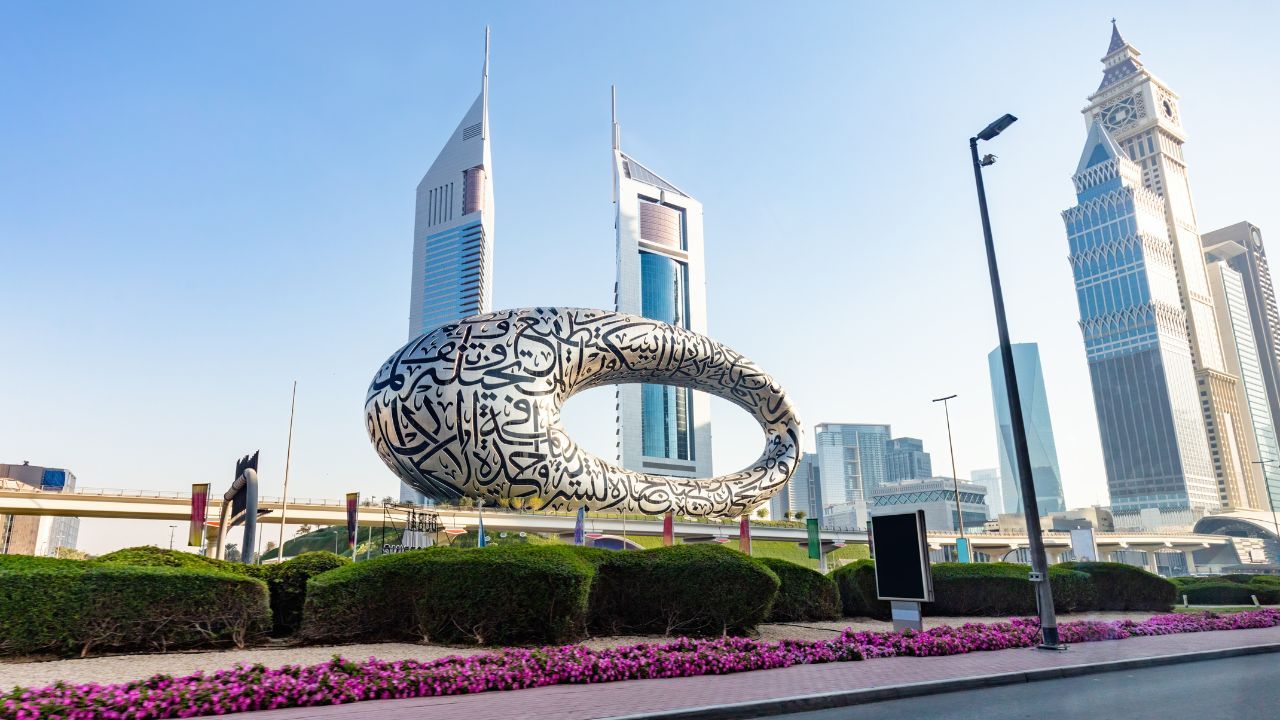
Consider a merchant in Mumbai. For decades, her goods have relied on the whims of the Suez Canal or the volatile geopolitics of the Persian Gulf. Now, imagine a world where her containers move by rail from the Port of Jebel Ali in the Emirates, through the heart of Saudi Arabia, and straight into the port of Haifa.
This isn't just about faster shipping. It is about a structural shift in who holds the keys to the global house. When the U.S. and Israel talk about "regional integration," they are describing a reality where the old players—those who relied on instability or alternative alliances with Beijing or Moscow—find themselves sidelined by a superior, more efficient architecture of trade.
The Concrete Cost of Ambition
The strategy hinges on the India-Middle East-Europe Economic Corridor (IMEC). On paper, it is a masterpiece of logistics. In reality, it is a geopolitical declaration of war against the status quo.
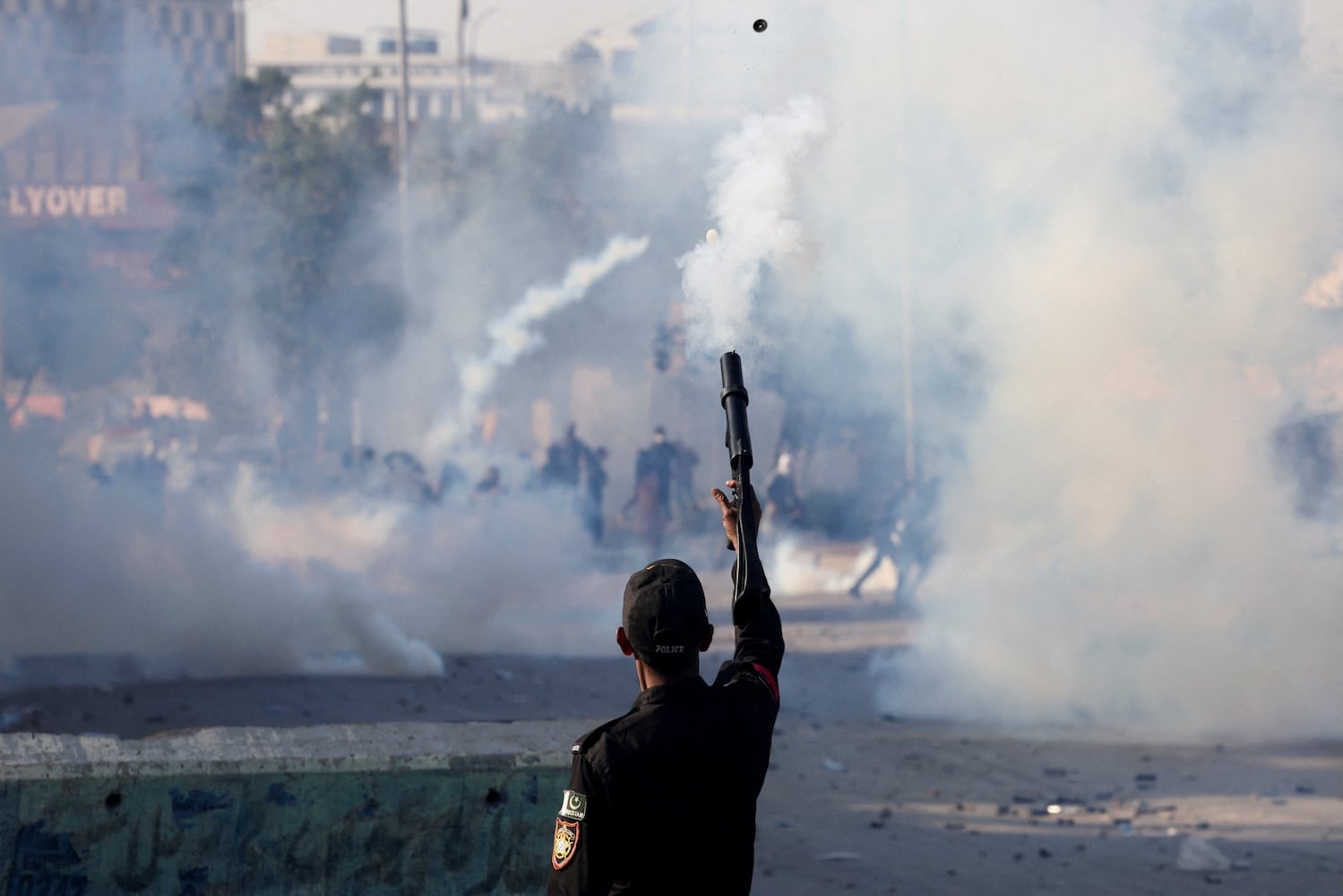
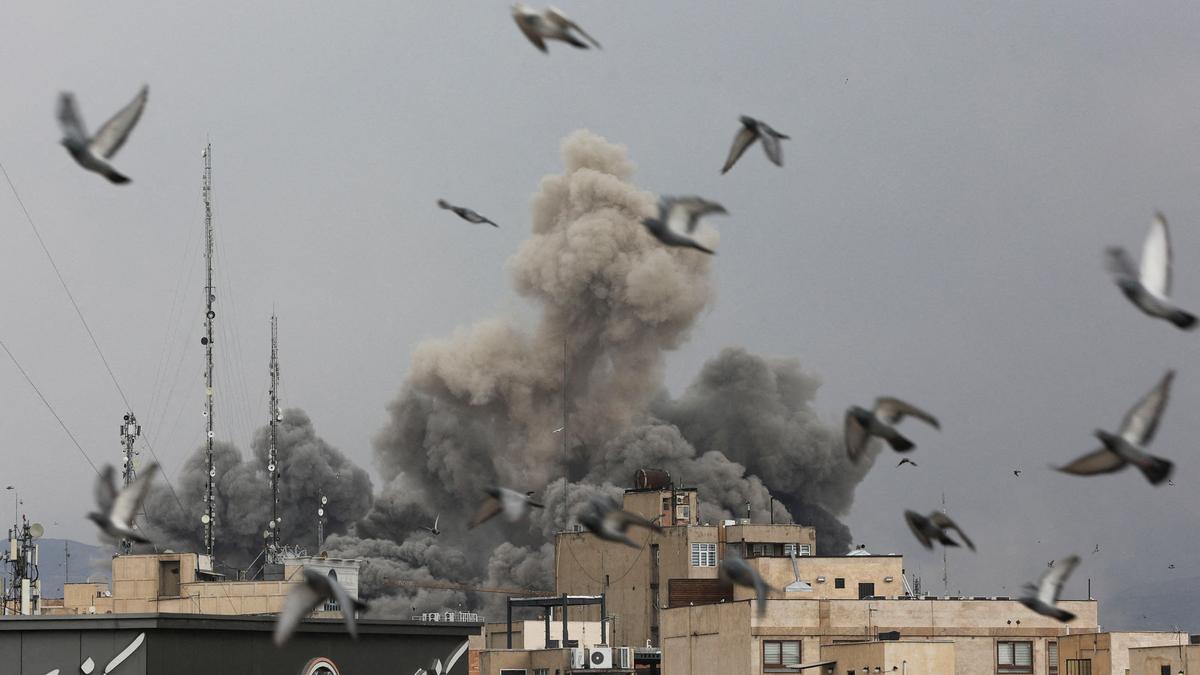
To build a unipolar reality, you must first dismantle the multipolar one. This is where the human element becomes inescapable. The "frictions" on the map are not just geographic; they are often entire populations whose existence complicates the straight line of a pipeline. When we see the current escalations in Gaza and Lebanon, we are seeing the violent collision between this high-level mapping and the messy, stubborn reality of people who refuse to be a footnote in a trade agreement.
There is a profound, tragic irony here. The very technology meant to connect us—the high-speed rails and subsea cables—is often the justification for the walls that divide us. To protect the corridor, you must control the perimeter. To control the perimeter, you must eliminate any force capable of disrupting the flow.
The U.S. provides the canopy of security, a technological and military shield that allows these economic roots to take hold. Israel provides the local anchor, the most advanced technological hub in the region. Together, they are attempting to build a future that is "pre-solved." A future where the outcomes are baked into the infrastructure.
The Algorithm of Power
I once spoke with an engineer who worked on regional energy grids. He described power not as something a politician gives a speech about, but as something that follows the path of least resistance.
"If I can make it cheaper and safer to send a kilowatt of power from a solar farm in the Negeb to a factory in Jordan than it is to buy oil from a traditional rival," he told me, "I have won a war without firing a single shot."
But shots are being fired. Many of them.
The resistance to this unipolar vision isn't just coming from "spoilers" or traditional militants. It is coming from the reality that you cannot build a stable house on a foundation of exclusion. When the U.S. pushes for the normalization of relations between Israel and its neighbors, it is trying to write a new operating system for the Middle East. But an operating system only works if all the hardware is compatible.
Right now, the "hardware"—the millions of people whose lives are being upended by this grand redesign—is crashing.
The U.S. strategy involves a massive bet on "de-risking." This is a sanitized term for making sure that China cannot buy its way into the region's future. By tying the Middle East's economic destiny to Western-backed corridors, the U.S. creates a gravity well that pulls local capitals away from the Belt and Road Initiative. It is a digital and physical siege.
The Invisible Stakes
Why does this matter to someone sitting in a coffee shop in London or a suburb in Chicago?
Because the cost of this "unipolar" dream is being priced into everything you touch. The price of your next smartphone, the stability of your retirement fund, and the likelihood of the next global energy crisis are all being decided in the shadows of this project.
We are moving away from a world of open, globalized markets and into a world of "fortress corridors." These are zones of high-speed connectivity protected by high-intensity conflict. It is a paradox that defines our era. To have the freedom of the flow, we accept the permanence of the fight.
History is littered with the bones of people who tried to draw straight lines across the Middle East. The British and the French did it with rulers and pens after World War I. They thought they could ignore the tribal, religious, and human realities of the ground in favor of a neat, manageable map. We know how that ended.
Today, the tools are different. Instead of pens, we have satellite imagery and trade algorithms. Instead of colonial administrators, we have "strategic partnerships" and "security architectures." But the impulse is the same: the belief that complexity can be managed through superior force and better logistics.
The Ghost in the Machine
The mistake the mapmakers make is believing that human dignity is a variable that can be optimized.
They look at a map of West Asia and see a puzzle to be solved. They see a unipolar world as the ultimate solution to the "problem" of the Middle East. If everyone is invested in the same pipe, they reason, no one will blow it up.
But what happens to the people who aren't allowed near the pipe? What happens to the communities whose lands are the "buffer zones" for the high-speed rail?
The invisible stakes of this war are not just about who controls the oil or the data. They are about whether or not a human-centric future is even possible in a world governed by "corridors." When we prioritize the unipolar flow of goods over the multipolar reality of human lives, we create a ghost in the machine. That ghost is the inevitable resentment that eventually rises up to tear the map apart.
The U.S. and Israel are currently doubling down on this architecture. They are betting that technological superiority and economic integration can override decades of unresolved trauma. It is a gamble of staggering proportions.
If they succeed, the region will look like a high-tech circuit board—efficient, cold, and profitable. If they fail, the collapse of these grand corridors will be more violent than anything we have seen yet.
The maps are already drawn. The concrete is being poured. The sensors are being calibrated. But as the strategist in Tel Aviv watches the screen, he would do well to remember that the most important parts of the world are the ones that don't glow.
They are the dark spaces between the lines. They are the people waiting in the shadows of the corridor, watching the lights go by, wondering when it will be their turn to exist.
The maps never account for the wind. They never account for the way sand can get into even the most sophisticated gears. We are witnessing the birth of a new world, but it is being born in a room where the windows are tightly shut, and the only air is the recycled hum of a cooling fan.
Would you like me to analyze the specific economic data points of the IMEC corridor to show how it directly competes with China's Belt and Road?