The "Pottery Barn Rule"—the diplomatic maxim that a power which breaks a state must assume responsibility for its subsequent stability—has been formally discarded. The initiation of Operation Epic Fury on February 28, 2026, signals a pivot from the era of nation-building toward a strategy of Kinetic Decoupling. By launching high-intensity strikes against the Islamic Republic’s nuclear and ballistic infrastructure while explicitly rejecting the obligation of post-conflict governance, the Trump administration is testing a high-stakes hypothesis: that the United States can destroy a regime’s strategic utility without inheriting its societal wreckage.
This shift moves the United States away from the "you break it, you own it" paradigm and toward a model of strategic amputation. The objective is not the installation of a pro-Western democracy, but the systematic removal of Iranian threat vectors—specifically the dismantling of the nuclear program and the neutralization of the Islamic Revolutionary Guard Corps (IRGC) Navy—without the commitment of an occupational force. Meanwhile, you can explore similar events here: The Calculated Silence Behind the June Strikes on Iran.
The Three Pillars of Kinetic Decoupling
The current campaign operates on three distinct logical axes that separate it from the 2003 Iraq model or the 2011 Libya intervention.
1. Functional Destruction Over Territorial Control
The administration’s primary metric of success is the "Hard Target Delta": the measurable reduction in Iranian centrifuges and solid-fuel missile production capacity. Unlike previous conflicts where the capture of the capital was the terminal objective, this operation treats the Iranian state as a collection of facilities rather than a sovereign entity. By focusing on infrastructure degradation, the U.S. avoids the necessity of "owning" the population's welfare. To understand the complete picture, check out the recent analysis by NBC News.
2. Externalized Regime Change
President Trump’s recent public statements calling for the Iranian people to "take over their government" represent a strategy of leveraged uprising. This approach attempts to use military force as a catalyst for internal collapse while maintaining a strict boundary on U.S. responsibility. The logic assumes that a vacuum created by U.S. munitions will be filled by domestic actors, thereby insulating Washington from the costs of reconstruction.
3. The Maximum Pressure Terminal Phase
The reinstatement of the 2015 "Maximum Pressure" campaign in 2025 was the preparatory phase for this kinetic action. By driving Iranian oil exports toward zero and implementing 25% secondary tariffs on any entity trading with Tehran, the administration weakened the target's structural resilience. The current war is the transition from economic attrition to physical liquidation.
The Cost Function of Asymmetric War
Analyzing the risks of this doctrine requires a breakdown of the variables that determine whether a conflict remains "decoupled" or devolves into a forced ownership scenario.
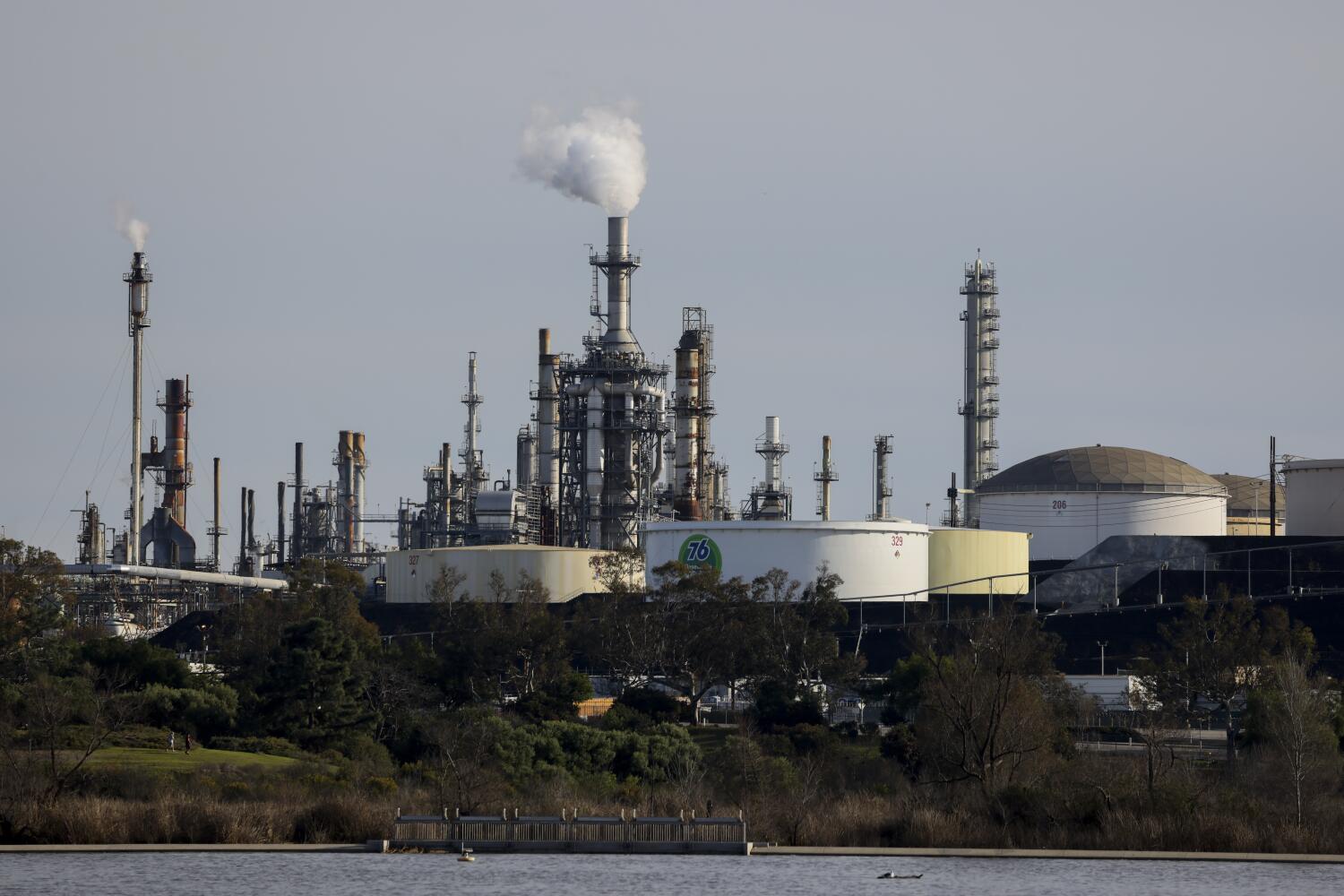
- The Energy Bottleneck: The closure of the Strait of Hormuz on March 2, 2026, has introduced a direct cost to the global economy. If the U.S. cannot secure the waterway through naval power alone, it may be forced into territorial control of the Iranian coastline to prevent persistent sabotage.
- The Proxy Feedback Loop: While the "Axis of Resistance" (Hezbollah, Houthis, and various militias) has been degraded by Israeli strikes since 2023, their ability to conduct low-cost, high-impact asymmetric attacks remains. Kinetic decoupling fails if these actors can impose a "slow-burn" casualty rate on U.S. assets that necessitates a boots-on-the-ground response.
- The Successor Uncertainty: The assassination of Supreme Leader Ali Khamenei by Israeli forces creates a power vacuum. The administration's gamble relies on the Iranian people or a "reformist" faction of the military seizing control. If the result is instead "IRGCistan"—a fragmented state run by paramilitary warlords—the U.S. faces a choice: allow a failed state to fester on the Persian Gulf or abandon the non-ownership rule and intervene.
Structural Failures of the Ownership Rule
The traditional "you break it, you own it" rule failed because it created a moral hazard for targeted regimes. By knowing the U.S. would feel obligated to rebuild, regimes could use their own collapse as a weapon of deterrence. The current strategy seeks to break this feedback loop.
The Decoupling Mechanism
- Strike: Eliminate high-value military and nuclear assets.
- Disengage: Maintain no presence within the target's borders.
- Sanction: Continue the trade blockade to prevent rebuilding.
- Observe: Allow internal dynamics to dictate the new political reality.
This mechanism treats the target state as a biological organism whose teeth and claws have been removed; the organism survives, but its ability to hunt is neutralized. However, the limitation of this strategy is that it ignores the negative externalities of state failure, such as refugee flows and the proliferation of loose conventional weapons.
Geopolitical Realignment and the E3 Snapback
The timing of these strikes is tied to the 2025 expiration of the Joint Comprehensive Plan of Action (JCPOA) "snapback" mechanism. By acting before the formal end of UN sanctions authority, the administration has utilized a window where European allies (France, Germany, and the UK) are legally compelled to align with a hardline stance to prevent a total Iranian breakout.
However, the "new geopolitical moment" involves mediators like Türkiye, Qatar, and Russia attempting to broker a "digital peace"—a negotiation between Trump and Iranian President Pezeshkian. The U.S. has maintained a door to strategic submission: Iran must accept permanent, verifiable constraints on all nuclear and ballistic programs. The refusal of these terms by the IRGC leadership led directly to the February 28 escalation.
The strategic play is now in its most volatile phase. The U.S. is attempting to demonstrate that a superpower can "break" a regional adversary’s military capability without "owning" the subsequent chaos. To succeed, the administration must achieve total air and sea dominance to reopen the Strait of Hormuz within the self-imposed 4-5 week window. If the conflict extends beyond this period, the internal political pressure from both the anti-interventionist MAGA base and the broader public—currently concerned with rising fuel costs—will likely force a pivot.
The terminal objective is not a peaceful Iran, but a neutralized Iran. Whether this status is sustainable without an American presence is the fundamental question that will define the next decade of Middle Eastern security architecture.
Would you like me to analyze the specific economic impact of the Strait of Hormuz closure on 2026 global energy futures?