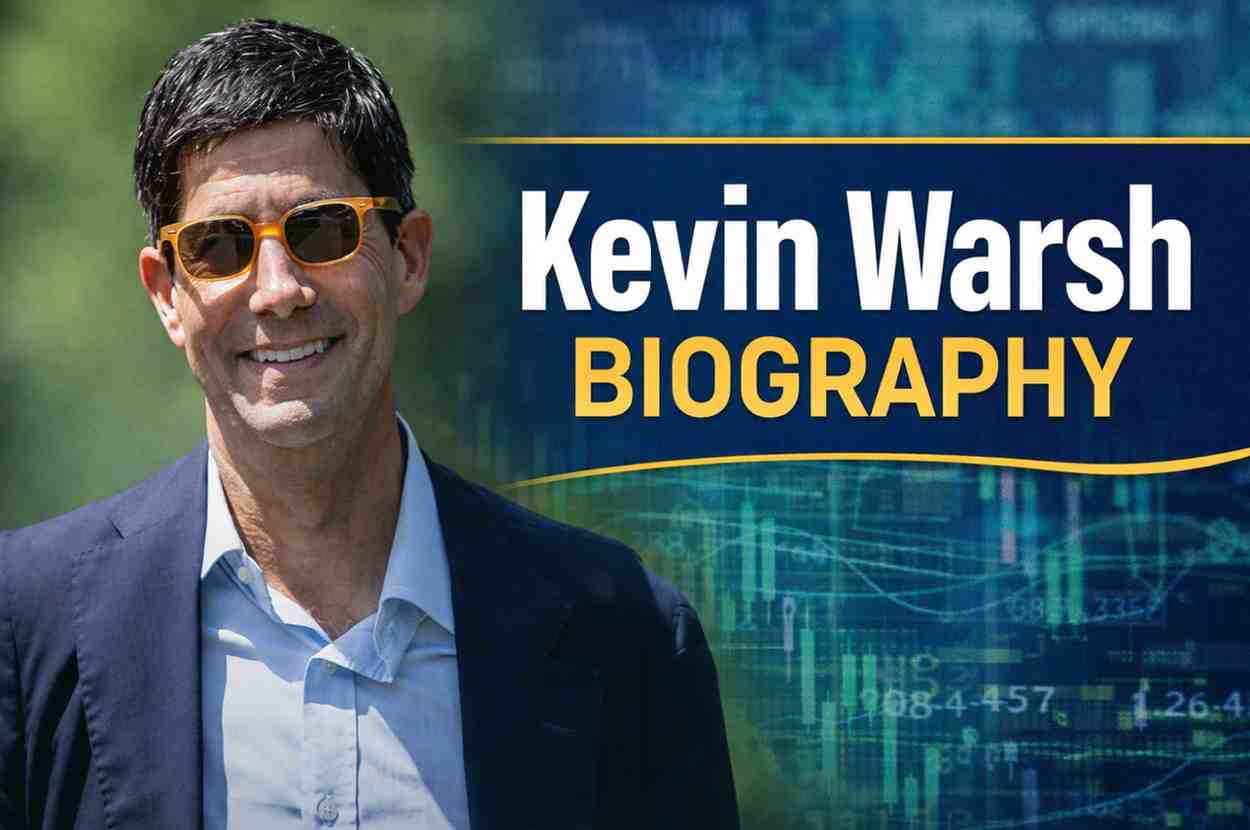
The path to leading the Federal Reserve is rarely quiet. For Kevin Warsh, President Donald Trump’s nominee to replace Jerome Powell, it has become a full-blown political storm. The central issue? A massive, opaque financial disclosure that has Senate Democrats sounding the alarm.
At the center of the controversy is over $100 million in assets that remain largely hidden from public view.
If you are wondering why this matters beyond the usual partisan bickering, it comes down to basic accountability. When someone takes the helm of the most powerful economic institution in the world, the public needs to know exactly where their loyalties lie. Financial conflicts aren't just technical details. They are the potential gears that turn behind the curtain of monetary policy.
The Financial Fog
Warsh’s disclosure form contains some eye-opening numbers. He lists two separate investments in the "Juggernaut Fund," each valued at at least $50 million. The catch? He refuses to detail what those funds actually own. He cites pre-existing confidentiality agreements as the reason.
This creates a significant hurdle for confirmation. Senators, particularly those on the Banking Committee, are pushing back hard. Elizabeth Warren, the committee’s top Democrat, didn't mince words after meeting with Warsh this week. She described his disclosures as "a red flag surrounded by fireworks and sparklers."
It’s not just the sheer size of the holdings. It’s the lack of transparency. The purpose of these disclosures isn't just to see what a nominee has done. It’s to ensure that any potential conflicts are completely unwound before they touch the levers of the US economy. Warsh has pledged to divest these assets if he's confirmed. Yet, for many lawmakers, that promise feels premature when the underlying assets remain a total mystery.
Why This Matters Right Now
This isn't happening in a vacuum. The broader environment surrounding the Federal Reserve is already incredibly volatile. The Department of Justice is currently investigating current Fed Chair Jerome Powell over a $2.5 billion building renovation project. There’s also an ongoing legal battle over the administration's attempt to fire Fed Governor Lisa Cook.
Democratic members of the Senate Banking Committee have officially urged Chairman Tim Scott to postpone next week’s scheduled confirmation hearing. They argue that it's absurd to move forward with a new nominee while the DOJ is actively targeting sitting board members.
Basically, the Senate is caught in a standoff. Some Republicans, including Senator Thom Tillis, have already indicated they won't vote for Warsh until the investigation into Powell is resolved. This puts the entire transition of the Fed’s leadership in a state of suspended animation.
The Broader Concerns
Beyond the $100 million, critics have pointed to other aspects of Warsh’s background. He has been a fixture in high-finance circles for years. His ties to billionaire investor Stanley Druckenmiller and his marriage into the Estée Lauder family mean he’s deeply connected to the power structures of Wall Street.
Some Democrats are also asking questions about his presence in documents related to the late sex offender Jeffrey Epstein. Warsh has stated he has no knowledge of any wrongdoing. However, in the current high-stakes atmosphere, any association, no matter how distant, becomes a talking point.
What Happens Next
The pressure is mounting. The White House maintains that Warsh is the right person for the job, citing his previous experience on the Fed Board of Governors from 2006 to 2011. They want to move quickly.
But for the Senate to move, two things need to happen. First, the paperwork issues surrounding the $100 million in undisclosed assets need a real solution. A promise to sell isn't enough for critics who want to know what exactly is being sold and if it poses a risk to impartiality. Second, the political logjam created by the DOJ investigations into current Fed officials needs to break.
If you are following this, keep your eyes on the Banking Committee’s schedule. If the hearing goes forward as planned on Tuesday, expect a bruising, detailed interrogation of Warsh’s finances. If it gets pushed, it signals that the concerns about transparency and the independence of the Fed are winning out over the administration’s timeline.
Either way, this isn't just about one man’s wealth. It’s about who holds the power to move interest rates and how much we are allowed to know about their personal interests before they do it. Watch the details of the divestment plan closely. That is where the real accountability will be tested.