Japan just took a sledgehammer to one of the most famous pacifist policies in modern history. For decades, Tokyo basically lived by a "look but don't touch" rule when it came to the global arms market. They built world-class tech for their own Self-Defense Forces but refused to sell so much as a bolt to anyone else if it was meant for combat. That era is officially over.
On April 21, 2026, Prime Minister Sanae Takaichi’s cabinet finalized a massive overhaul of the Three Principles on Transfer of Defense Equipment and Technology. This isn't just a minor tweak or a legal loophole. It’s a fundamental shift that scraps the old "five categories" rule—which limited exports to non-lethal stuff like rescue and surveillance—and replaces it with a system that treats warships, missiles, and fighter jets as legitimate export goods.
If you’ve been following the news, you know the world is getting a lot messier. Between Russia’s stubborn war in Ukraine and China’s growing shadow over the Indo-Pacific, Japan’s "peace at any cost" stance started looking like a strategic liability. By opening the floodgates, Japan isn't just trying to make a buck; it's trying to make sure it still has an arms industry left to defend itself in ten years.
The End of the Five Categories Rule
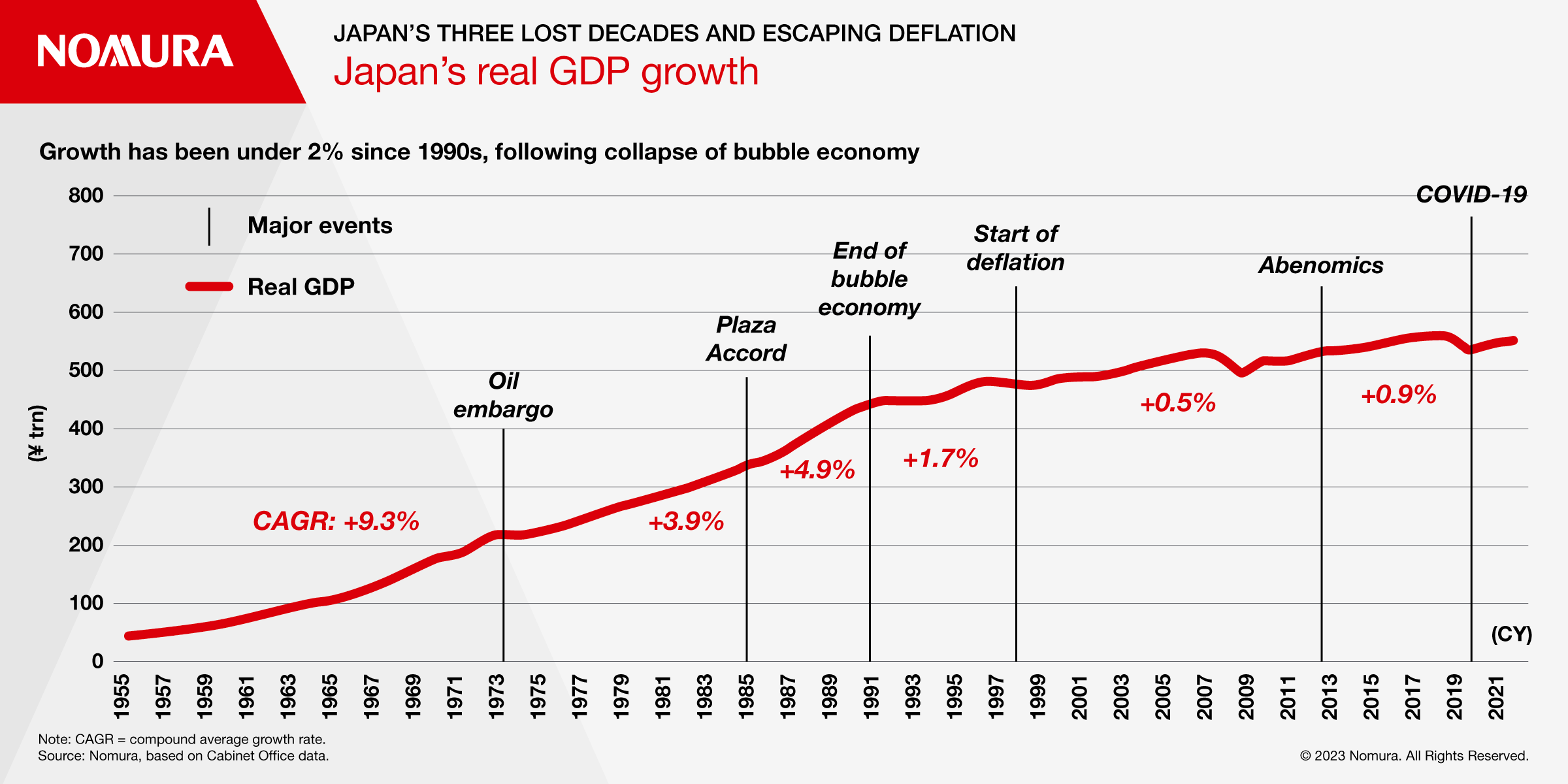
For years, Japanese defense contractors were stuck in a weird kind of limbo. They could build some of the most advanced tech on the planet, but they couldn't sell it to anyone except the Japanese government. This created a "Galapagos effect" where Japanese military hardware was incredibly high-quality but insanely expensive because there were no economies of scale.
The old rules limited exports to:
- Rescue
- Transport
- Warning
- Surveillance
- Minesweeping
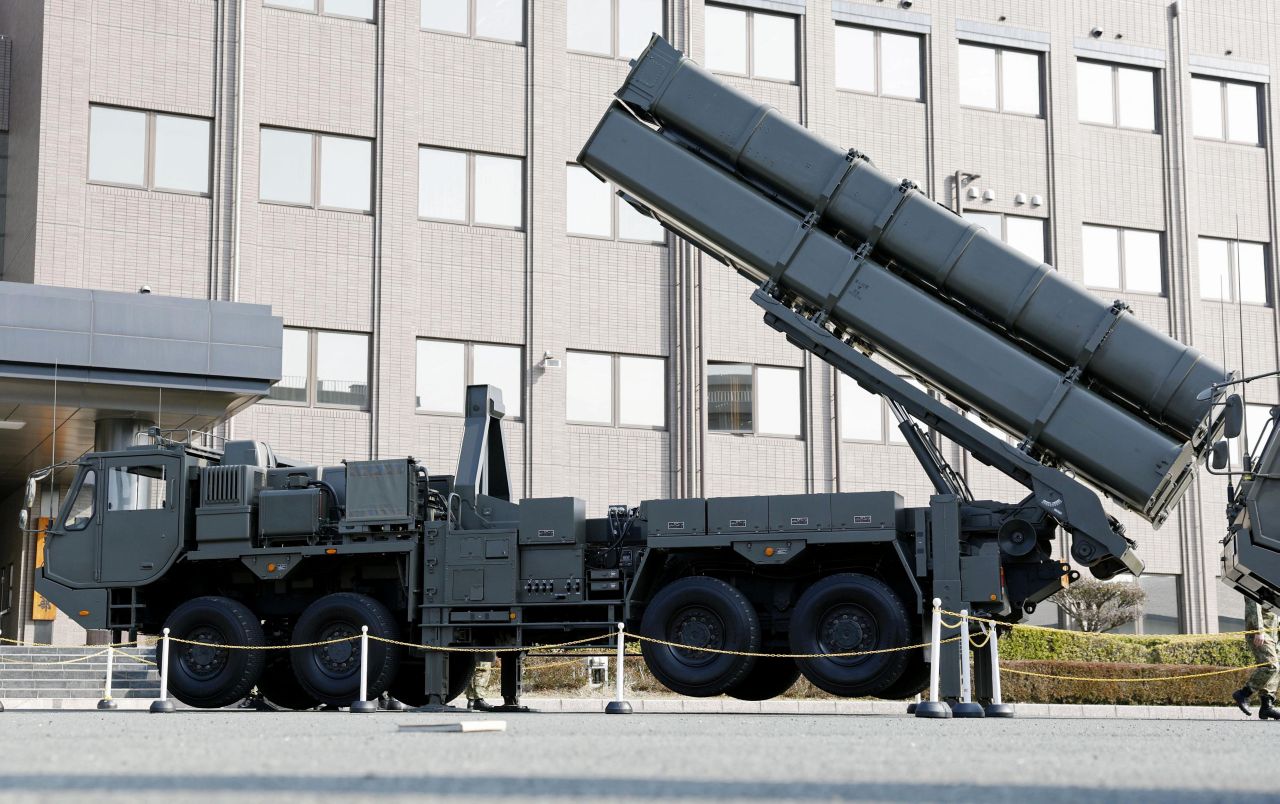
The new 2026 guidelines effectively erase these boundaries. Instead of checking if a piece of gear fits into a specific non-lethal box, the government will now judge exports based on whether they help Japan’s security or bolster regional stability. We’re talking about lethal hardware now—fighter jets, destroyers, and the kind of missiles that actually make an aggressor think twice.
Keeping the Home Team in the Game
Honestly, Japan’s defense industry was dying a slow death. When you only have one customer (the Japanese Ministry of Defense), your profit margins are razor-thin. Dozens of smaller suppliers have been quietly quitting the defense business because they couldn't make the math work.
Prime Minister Takaichi is betting that exports will save these companies. By selling to partners like Australia, the Philippines, and even European nations, Japanese firms like Mitsubishi Heavy Industries and NEC can finally ramp up production. This lowers the cost per unit for Japan’s own military and ensures that the factories stay open. If a conflict ever breaks out in the Taiwan Strait, Japan needs those factories running at full tilt.
The Global Combat Air Programme and the 6th Gen Future
One of the biggest drivers of this change is the GCAP—the Global Combat Air Programme. Japan is teaming up with the UK and Italy to build a sixth-generation stealth fighter. Recently, Canada was even invited into the inner circle as an observer.
You can't build a multi-billion dollar fighter jet if you aren't allowed to sell it to anyone else. The UK and Italy weren't going to spend years developing a jet with a partner that couldn't help them export it to other allies. By changing the rules, Japan is proving it can be a "normal" partner in massive international projects. It’s no longer just a junior partner to the U.S.; it’s becoming a global player in its own right.
Regional Deterrence or a New Arms Race
Not everyone is cheering. China has already slammed the move, calling it a violation of Japan’s pacifist spirit. Critics at home argue that Article 9 of the Japanese Constitution—the "peace clause"—is being gutted by a thousand cuts. They worry that by selling weapons, Japan becomes a target and contributes to a regional arms race.
But look at the map. The Philippines is already buying Japanese radar systems and looking for more. Australia just tapped Japan for a massive frigate deal. These countries don't see Japan as an aggressor; they see it as a "democratic arsenal" that offers an alternative to Chinese or Russian equipment.
The "reverse export" of Patriot missiles to the U.S. back in 2024 was the first real crack in the dam. That move allowed Washington to send its own stocks to Ukraine while Japan backfilled the U.S. inventory. Now, that trickle has turned into a wide-open door.
What This Means for the Global Market
Japan entering the market is going to shake things up. Japanese tech is known for being reliable and high-end, though usually pricey. Expect to see:
- Deeper ties with SE Asia: Nations like Vietnam and Malaysia, who want to upgrade their navies without relying solely on the U.S. or China, will be looking at Japanese hulls and sensors.
- Increased Interoperability: If Japan, Australia, and the U.S. are all using similar tech, it makes it much easier for them to operate together in a crisis.
- The "Takaichi Doctrine": This move solidifies Sanae Takaichi’s reputation as a hawk who is willing to move faster than any of her predecessors to normalize Japan’s military status.
If you’re an investor or just someone watching the geopolitical chessboard, keep an eye on Japanese defense stocks. The days of these companies being sleepy, domestic-only players are gone. They’re about to go global, and the ripples will be felt from the South China Sea to the shipyards of Europe.
Check the official Ministry of Foreign Affairs updates for specific lists of approved "partner countries." Currently, only about 16-17 nations with pre-existing security agreements are eligible, but expect that list to grow as Japan looks for more buyers to sustain its industrial base. The pacifist "shield" hasn't been thrown away, but Japan has definitely decided it needs a much bigger sword.