The engines have finally stopped humming on O’Connell Street, but the silence in Dublin’s city center doesn't feel like a victory. Early Sunday morning, hundreds of Gardaí moved in to dismantle the blockades that had effectively held the capital’s throat for six days. It was a massive operation—mounted units, public order squads, and the looming threat of military heavy-lift tow trucks—that finally cleared the tractors and HGVs. While the roads are open, the underlying rage is still very much idling.
This wasn't just a traffic jam. It was a coordinated shutdown of the country's most vital arteries. From the M50 to the Whitegate oil refinery in Cork, protesters hit the spots that hurt most. At one point, 600 of Ireland’s 1,500 filling stations were bone dry. The government’s response? A €500 million "carrot" following the "stick" of police intervention. But if you think a 10-cent reduction at the pump is going to make a haulier or a farmer feel "heard," you’ve haven't been paying attention to the math.
The midnight sweep and the O’Connell Street standoff
The clearance of Dublin’s main thoroughfare happened under the cover of darkness. Around 4:00 AM, the Garda Public Order Unit began the process of moving vehicles. There were no riots in the capital, unlike the scuffles and pepper spray seen at the Whitegate refinery on Saturday. Instead, it was a tactical squeeze. Police told drivers to move or watch their expensive machinery be dragged away—a move that would’ve wrecked the transmissions of the heavy tractors involved.
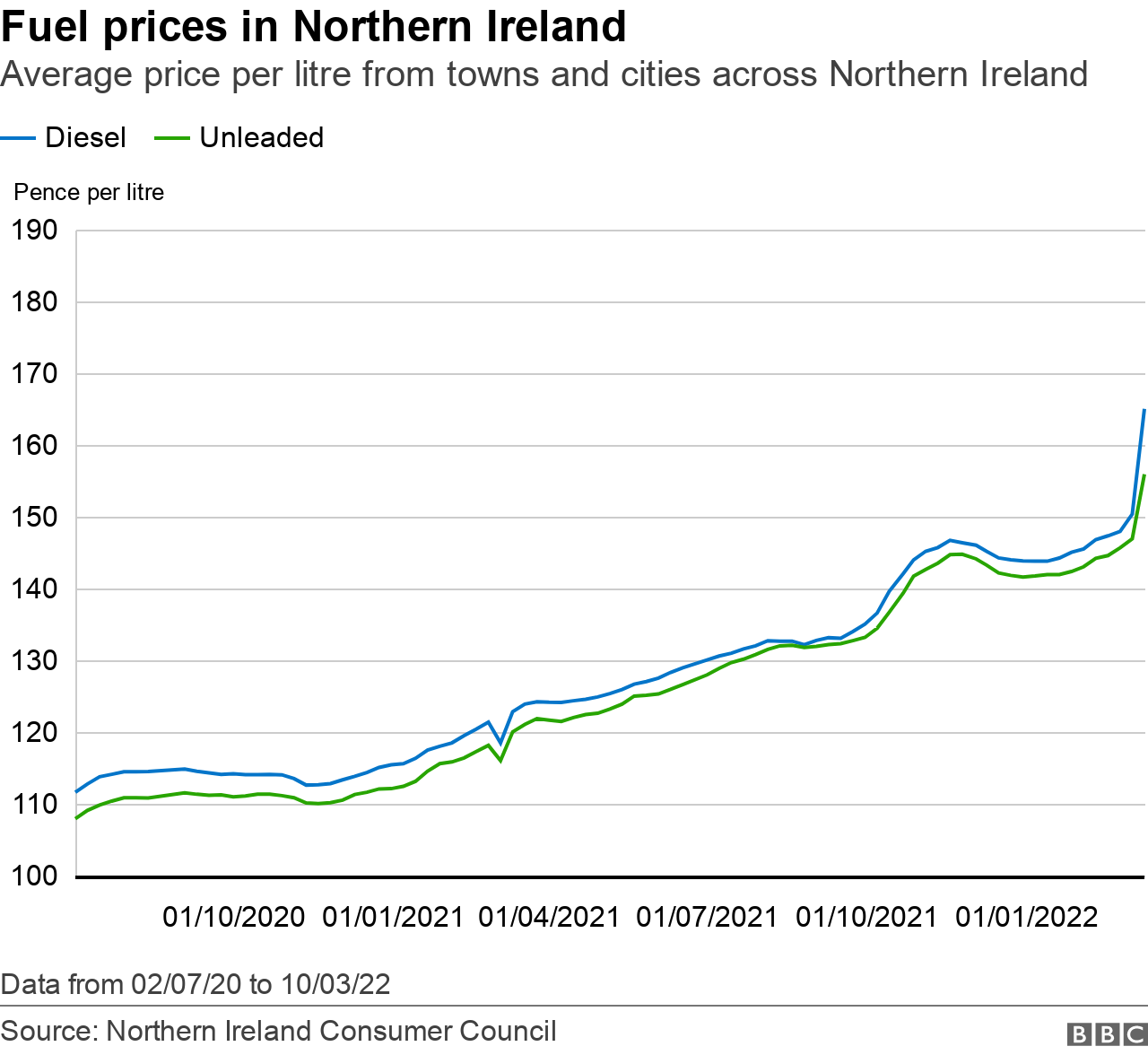
Financial pressure won where dialogue failed. "We have no choice. Financially, we have to move the vehicles," Christopher Duffy, a spokesperson for the group, admitted. It’s a bitter pill to swallow. These protesters weren't just "holding the country to ransom" for the sake of it. They’re looking at invoices for diesel that have jumped 20% in a month. When your entire livelihood depends on the price of a liter of white diesel, a "temporary" tax cut feels like putting a band-aid on a gunshot wound.
Dublin’s €500 million gamble
While the Gardaí were clearing the streets, the Cabinet was scrambling. The result is a package designed to stop the bleeding. Here’s the reality of what the government is offering:
- A 10-cent per liter reduction on both petrol and diesel.
- A total postponement of the carbon tax increase scheduled for May.
- Specific subsidies for the farming and fisheries sectors.
This comes on top of a previous €250 million package from March. On paper, it looks like a lot of money. In reality, it doesn't even bring prices back to where they were three weeks ago. Brent crude is hitting $116 a barrel, and the conflict in the Middle East shows no signs of cooling down. The Irish government is effectively trying to subsidize its way out of a global geopolitical crisis. It’s an expensive strategy with a very short shelf life.
Why 10 cents isn't enough for the hauliers
The math for a transport company is brutal. When diesel prices jumped from €1.70 to over €2.17, the profit margins for independent hauliers vanished. They aren't asking for a few cents off; they’re demanding a price cap. Most are looking for a guaranteed rate around €1.75 per liter.
The government’s "targeted and temporary" approach is exactly what the protesters hate. It creates uncertainty. You can't sign a six-month delivery contract when you don't know if the price of fuel will spike again in two weeks. By refusing to engage in direct negotiations with the "unorganized" leaders of these blockades, the coalition has basically ensured that the "lads," as spokesperson James Geoghegan calls them, will be back. They’ve gone home to rest, not to retire.
The supply chain's near-collapse
We almost lost the grid. Taoiseach Micheál Martin wasn't exaggerating when he said Ireland was on the "precipice of turning oil away." With the Whitegate refinery blocked and Galway docks under siege, tankers were sitting anchored at a "substantial" hourly cost, unable to offload fuel.
It wasn't just about people not being able to drive to work. Emergency services were being curtailed. Hospitals and fire stations were starting to worry about their own reserves. This is why the state finally lost its patience and sent in the Public Order Units. There's a fine line between a peaceful protest and sabotaging national infrastructure, and the government decided the blockades had crossed it.
What happens when the tractors come back
If you’re a business owner or a commuter, don't delete those traffic alert apps just yet. The clearance of O’Connell Street was a tactical reset, not a resolution. The anger in rural Ireland and among transport workers is at an all-time high. They feel the Dublin-centric government doesn't understand the "distance tax" that comes with living and working outside the capital.
The next few days are critical. If the €500 million package doesn't result in an immediate, visible drop at the pump, the blockades will return—likely with even less interest in "peaceful assembly."
Next steps for those affected by the crisis:
- Monitor the M50 and Port Access: Flash protests are highly likely. Check live Garda updates before any major commercial transport movements.
- Review Fuel Surcharge Clauses: If you’re in logistics, ensure your contracts allow for fuel price fluctuations. Relying on government subsidies is a losing game.
- Lobby for Long-term Reform: The 10-cent cut is a distraction. The real issue is the structural tax on fuel and the lack of a "buffer" for essential industries.
The blockade might be over, but the crisis is just getting started.