The ground beneath Iran hides more than just geology. It hides a massive, calculated response to international pressure. Tehran has spent years digging deep into its mountains, building so-called "missile cities" designed to survive the most intense aerial bombardments. Now, as tensions reach a boiling point in 2026, those underground bunkers are no longer just a local concern. They are a direct threat to European security.
You might wonder how a facility hundreds of miles away in Iran impacts someone sitting in a cafe in Berlin or Rome. The answer is simple: reach.
The Reality of the Range
For years, analysts argued about whether Iran’s ballistic missile program had true intercontinental ambitions. Today, that debate feels outdated. The technical reality is that Iran has operational medium-range ballistic missiles (MRBMs) that push the boundaries of current defense envelopes.
Models like the Khorramshahr and Sejjil are the main players here. With a proven range of 2,000 kilometers, they already place countries like Greece, Bulgaria, and Romania in the crosshairs. But here is where it gets concerning: experts point out that if Tehran reduces the payload size on a Khorramshahr missile, the operational range could theoretically stretch toward 3,000 kilometers.
That shift changes the map. Suddenly, major European capitals aren't just hypothetically at risk—they are within a strike window. While Europe has bolstered its defenses, including the deployment of the Israeli-made Arrow 3 system in Germany and US-led Aegis Ashore sites in Romania, the math of defensive interception is notoriously difficult. If you fire a swarm of drones and missiles simultaneously, even the best systems have limits.
Understanding the Underground Strategy
Why go underground? The strategy is about survival and attrition. By excavating bunkers up to 500 meters deep, Tehran has created a "use it or lose it" dilemma for its adversaries.
- Concealment: Intelligence agencies struggle to track what is moving inside these mountain networks.
- Survivability: Traditional airstrikes struggle to penetrate these depths. Unless you hit the specific, reinforced tunnel entrances or exits, the missiles remain protected.
- Deception: Iran uses these sites to move mobile launchers, making it incredibly hard for satellites or drones to confirm when a unit is prepping for a launch.
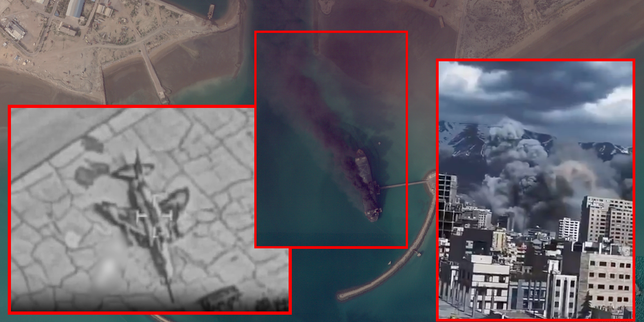
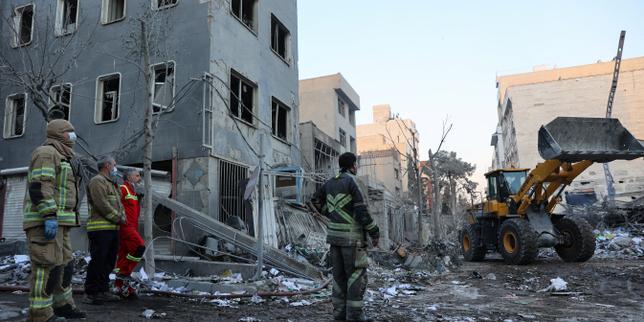
Honestly, the military objective here is to increase the cost of any conflict. If the US or Israel wants to disable these sites, they have to commit to high-intensity, repeated strikes. Even then, as we've seen in the recent 2026 campaign, the sheer volume of stored munitions means that even if a facility is damaged, it doesn't mean it’s permanently out of commission.
The 2026 Shift
The conflict has evolved rapidly. Following the joint US-Israel strikes that began in late February 2026, we’ve entered a new phase of "war of salvos."
Iran is no longer just holding these missiles in reserve; they are using them. Recent attacks on British RAF bases in Cyprus and various targets in the Gulf show that Tehran’s command-and-control, while strained, is still capable of executing multi-front operations. The decision to strike targets in Europe has forced the continent into a war it desperately wanted to avoid.
What This Means for You
If you’re tracking how this affects global stability, look at the logistical bottlenecks. Tehran is currently in a desperate race to rebuild its missile infrastructure after months of attrition. They are facing a critical shortage of planetary mixers—the heavy machinery needed to produce solid-fuel propellant.
If they can't import these components from suppliers like China, their ability to restock their underground cities will hit a hard wall. This is exactly why the international community is paying such close attention to supply chain interdiction. It isn't just about destroying missiles on the ground; it's about making it impossible to build them in the first place.
Assessing the Defensive Response
Europe isn't standing still. The realization that they are no longer shielded by geography has led to a hard turn in policy. France, Germany, and the UK have moved toward backing the US-Israel campaign, signaling a readiness to strike Iranian capabilities at the source.
However, as military analysts often note, air power alone has limitations. You can destroy a radar site or a launch vehicle, but destroying the political will of a regime by targeting its military infrastructure is a much more complex, and often unpredictable, task.
The next few months will likely hinge on two things: the success of the intelligence-led campaign to locate the remaining mobile launchers, and the ability of the Iranian regime to bypass international sanctions to secure the chemicals and parts needed for their missile fuel.
Keep an eye on the diplomatic negotiations in Geneva. They aren't just talking about nuclear enrichment anymore; they are now forced to address a missile arsenal that has fundamentally changed the security map of the 21st century. If you want to understand where this is heading, watch the satellite imagery of those tunnel entrances. If the trucks are moving, the tension isn't going anywhere.