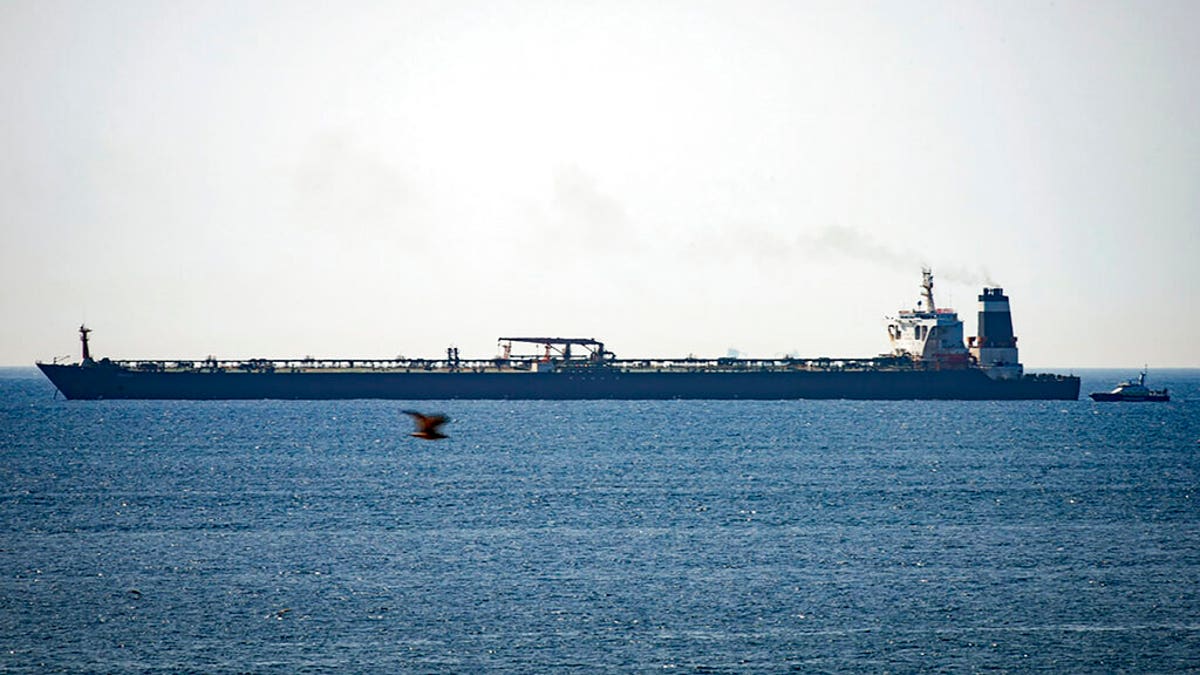
The rules of the sea just got rewritten. While global powers talk about sanctions and enforcement, a massive Iranian supertanker just proved that a physical blockade line is often little more than a suggestion on a map. After offloading 2 million barrels of crude oil, this vessel didn't just sail away. It punched right through a monitored blockade line, making a mockery of the high-stakes maritime game of cat and mouse that usually keeps the energy markets on edge.
This isn't just about one ship or one cargo. It's about a total failure of deterrence. When a supertanker—a ship so large you can see it from space—can move millions of barrels and then ignore direct "red lines" without immediate consequence, the entire framework of international maritime law starts to look shaky. I've watched these shadow fleet maneuvers for years, and this is by far the most brazen move we've seen. It’s a middle finger to the Western naval presence in the region.
The logistics of a 2 million barrel ghost mission
Let’s be real about what 2 million barrels actually looks like. We're talking about a Very Large Crude Carrier (VLCC). These things are floating skyscrapers. You don’t just "sneak" one of these into a port. This operation required a sophisticated network of AIS spoofing, ship-to-ship transfers, and likely some very well-compensated local officials.
The tanker didn't just get lucky. It used a combination of "dark" sailing—turning off the Automatic Identification System—and physical maneuvering that suggests the crew knew exactly where the gaps in the blockade were. They weren't guessing. They had high-grade intelligence. They knew which satellite windows were open and which patrol boats were out of position.
Once that oil hits the shore, it’s basically impossible to track. It gets blended, rebranded, and sold into the global market. But the breach of the blockade line after the delivery is the real story here. It shows that the "blockade" is a paper tiger. If you can't stop a slow-moving, massive target from crossing a line you've sworn to protect, you don't actually have a blockade. You have a PR problem.
Why the shadow fleet is winning the cat and mouse game
The so-called shadow fleet is growing. It’s no longer a handful of rusty tubs. We’re seeing a professionalized, well-funded maritime insurgency. These ships are often older, sure, but they are operated by crews who are willing to take risks that traditional shipping companies wouldn't dream of.
- Risk Tolerance: These operators don't care about insurance blacklists.
- Technological Camouflage: They use sophisticated GPS jamming that makes them appear miles away from their actual location.
- Corporate Shells: The ownership of these tankers is buried under ten layers of companies in jurisdictions that don't answer the phone.
The Iranian supertanker's success is a blueprint. It tells every other sanctioned nation that the "line in the sand" is actually drawn in water. It's temporary. It’s movable.
We often hear that sanctions are "crippling." That’s a nice sentiment for a press release. The reality is that as long as there is a buyer for 2 million barrels of oil, someone will find a way to deliver it. The profit margins are so high that losing the ship itself would just be a cost of doing business. But they didn't even lose the ship. They kept the cash and the vessel.
The environmental disaster waiting to happen
Here’s the part nobody wants to talk about. These tankers are often pushing their luck in terms of maintenance. When you’re breaching blockades and engaging in "dark" ship-to-ship transfers in the middle of the night, you're one mechanical failure away from a generational environmental catastrophe.
Traditional shipping has strict inspections. The shadow fleet doesn't. If that supertanker had suffered a hull breach while maneuvering through the blockade, who would have responded? Not the owners. Not the sanctioned state. The cost of the cleanup would fall on the very countries whose blockade was just ignored. It’s a classic "heads I win, tails you lose" scenario for the smugglers.
What this means for the price at the pump
You might think a single tanker doesn't affect your daily life. You'd be wrong. The global oil market is incredibly sensitive to the perception of supply. When a blockade is breached successfully, it signals to the market that the "sanctioned" oil is still flowing. This creates a two-tiered pricing system.
The "official" oil stays expensive because it follows all the rules. The "shadow" oil sells at a discount to hungry refineries in Asia. This undermines the ability of Western powers to use energy as a diplomatic lever. It also means that the "global price" of oil is increasingly an average between the legal and the illicit.
The Iranian supertanker didn't just deliver oil. It delivered a message to the commodities markets. The message is simple: Supply is more resilient than the law.
Stop waiting for the blockade to work
If you're an energy trader or a geopolitical analyst, you need to stop looking at the map and start looking at the money. The incentives to break these blockades are too high. Until the physical cost of breaching a line—meaning the actual seizure of the vessel—outweighs the profit of the 2 million barrels, this will keep happening.
The next step for international monitors isn't more "sternly worded" warnings. It’s an overhaul of maritime insurance and a much more aggressive stance on ship-to-ship transfers in international waters. But don't hold your breath. For now, the supertankers are winning.
Watch the AIS data for the Persian Gulf and the Malacca Strait over the next 48 hours. Look for the "ghost" signals. When a ship disappears and then reappears on the other side of a restricted zone, you’re looking at the new normal of energy logistics. The blockade is broken. It’s time to deal with the reality of a wide-open sea.