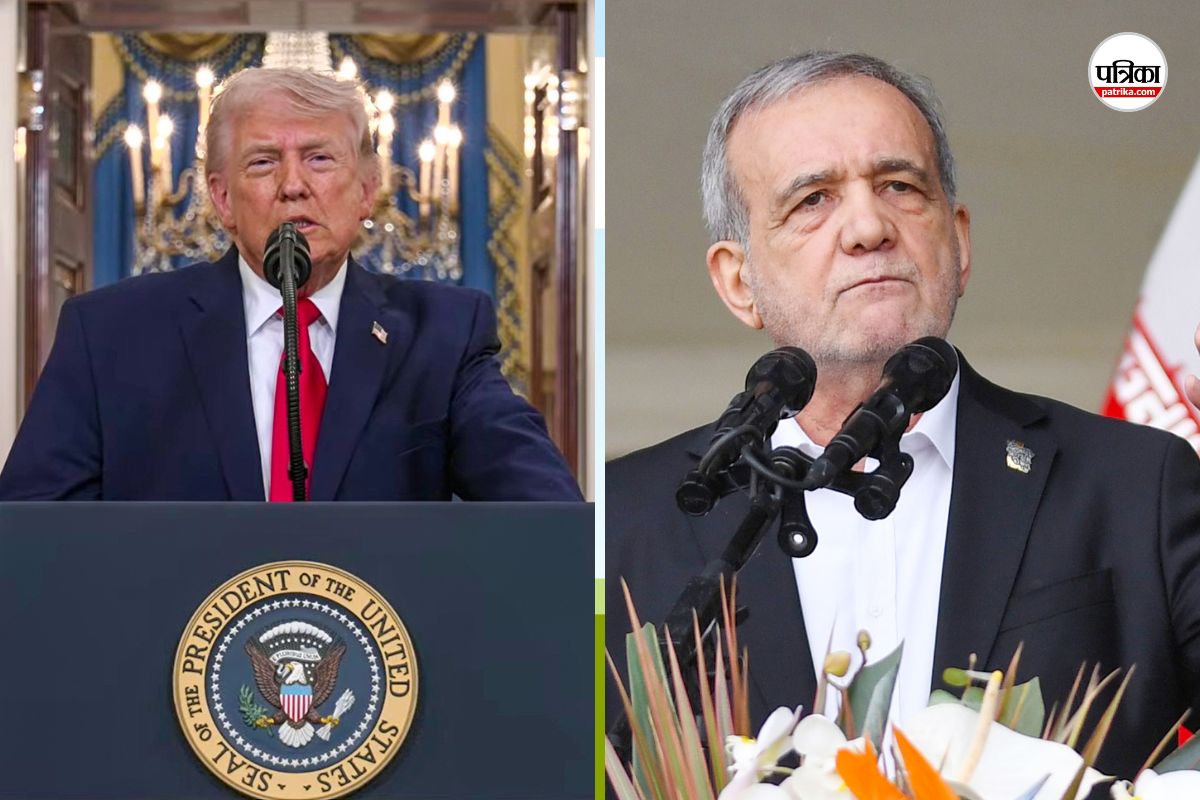
Negotiations between Tehran and Washington are currently stuck in a dangerous loop of blame and blockade. While the world waits for a breakthrough in Islamabad, Iranian President Masoud Pezeshkian isn't holding back. He's pointed the finger directly at Donald Trump, accusing the US of "dictatorial behavior" and sabotaging what could have been a path to peace. Honestly, the situation feels like a high-stakes poker game where both players are threatening to kick over the table.
If you’re looking for a simple answer to why the talks failed, it's this: Iran feels cornered by a naval blockade and what they call "excessive demands," while the US refuses to budge until they see a permanent end to Iran’s nuclear ambitions. It’s a classic deadlock, but with the added spice of Trump’s aggressive rhetoric and Pezeshkian’s refusal to "submit to force."
The Blame Game in Islamabad
The recent rounds of talks in Pakistan, mediated with some desperation, ended without a signature on the dotted line. Vice President J.D. Vance basically said the US put terms on the table and Iran walked away. On the flip side, Pezeshkian argues that you can't have a "genuine negotiation" while a literal blockade is choking your ports.
It’s not just about the terms. It’s about the tone. Pezeshkian has been vocal about Trump’s "hypocritical rhetoric." He’s basically saying the US talks about peace while tightening a noose around the Iranian economy. From Tehran's perspective, the US lacks the "political will" to actually settle things fairly. They see the demand for long-term nuclear restrictions as a direct attack on their sovereignty.
Why Trump Thinks Iran is Fractured
Trump hasn't stayed quiet either. He’s claimed that Iran’s leadership is "seriously fractured" and that the country is "collapsing financially" because of the closure of the Strait of Hormuz. He’s betting that economic pain—specifically a reported loss of $500 million a day—will eventually force Iran to say yes to whatever the US wants.
There’s also the mystery of the new Supreme Leader, Mojtaba Khamenei. He hasn't been seen in public much lately, which has fueled rumors that the decision-making power in Tehran is messy right now. Trump is using this perceived weakness to justify keeping the pressure high. He thinks he can wait them out.
The Economic Reality on the Ground
While the leaders argue, the people in Iran are feeling the heat. It’s reported that over a million jobs have been lost since the March war began. Inflation is hitting everything from rice to funeral costs, which have apparently jumped 40%. It’s a grim picture.
The US is also feeling the pinch through rising energy costs. It’s a reminder that this isn’t just a local spat; it’s a global headache. When the Strait of Hormuz gets messy, everyone’s gas bill goes up.
What’s Actually Stopping a Deal
You can boil the stalemate down to three main points:
- The Nuclear Rights Clash: Pezeshkian insists the US has "no right" to strip Iran of its nuclear program under the NPT. The US wants a guarantee that lasts "forever," not just a few years.
- The Blockade: Iran won't sign anything while their ports are under a naval blockade. They see it as negotiating with a gun to their head.
- The Trust Gap: After the US pulled out of previous agreements, Tehran is skeptical of any "binding" promises Washington makes today.
What Happens Next
The current two-week ceasefire is on thin ice. Trump has signaled he'll keep the truce in place to give talks "more time," but he’s not lifting the blockade. Pezeshkian is calling for diplomacy but emphasizing that "distrust of the enemy" is a necessity.
If you're following this, keep an eye on the Islamabad delegation. If Iran decides not to send a team to the next round, things could get very ugly, very fast. The next move is likely going to involve a lot more economic pressure from Washington and a lot more defiant rhetoric from Tehran.
Basically, don't expect a handshake and a smile anytime soon. Both sides are digging in their heels, and the window for a peaceful exit is closing.