New Delhi and Seoul are rewriting the rules of maritime energy security as the Middle East slides toward a wider regional conflict. While diplomats exchange the usual pleasantries about "continued roles for peace," the actual mechanics of this partnership involve a hard-nosed recalibration of how oil and liquefied natural gas (LNG) reach Asian shores. India and South Korea are no longer just customers of the global energy market. They are becoming its self-appointed guardians. The urgency stems from a shared vulnerability: both nations rely on the narrow, increasingly volatile arteries of the Persian Gulf and the Red Sea to keep their heavy industries humming.
The recent summit between Indian leadership and President Lee of South Korea serves as a tactical pivot. They are moving beyond simple buyer-seller agreements to establish a "stabilization corridor" designed to withstand supply shocks that would otherwise cripple their economies. This isn't about vague cooperation. It is about a calculated effort to diversify shipping routes, expand strategic petroleum reserves, and integrate green hydrogen technology to blunt the impact of $100-a-barrel oil.
The Strait of Hormuz Trap
Geography is a cruel master. For decades, the industrial engines of Busan and Gujarat have been tethered to a single, 21-mile-wide choke point. The Strait of Hormuz handles roughly one-fifth of the world’s daily oil consumption. When tensions flare between regional powers in West Asia, the insurance premiums on tankers skyrocket before a single shot is even fired.
India imports over 80% of its crude oil. South Korea imports nearly 100% of its fossil fuel requirements. This total dependency creates a strategic "glass jaw." If the Strait of Hormuz closes, even for a week, the resulting price spikes would trigger an inflationary spiral that could wipe out years of GDP growth. President Lee’s call for India to play a "role for peace" is not just a polite request for mediation. It is a recognition that India’s growing naval presence in the North Arabian Sea is the only force capable of securing the sea lines of communication for Asian-bound tankers.
Building the Strategic Buffer
The first pillar of this new alliance is the expansion of Strategic Petroleum Reserves (SPR). In the past, these were treated as national secrets or emergency rainy-day funds. Now, there is a push for cross-border storage agreements.
The logic is simple. South Korea has world-class storage infrastructure and a massive refining capacity. India has the land and a desperate need for a deeper safety net. By coordinating their reserves, the two nations can act as a regional price stabilizer. When the market panics, these combined reserves can be released to signal to speculators that the supply remains intact. This isn't just about physical oil. It’s about psychological warfare against market volatility.
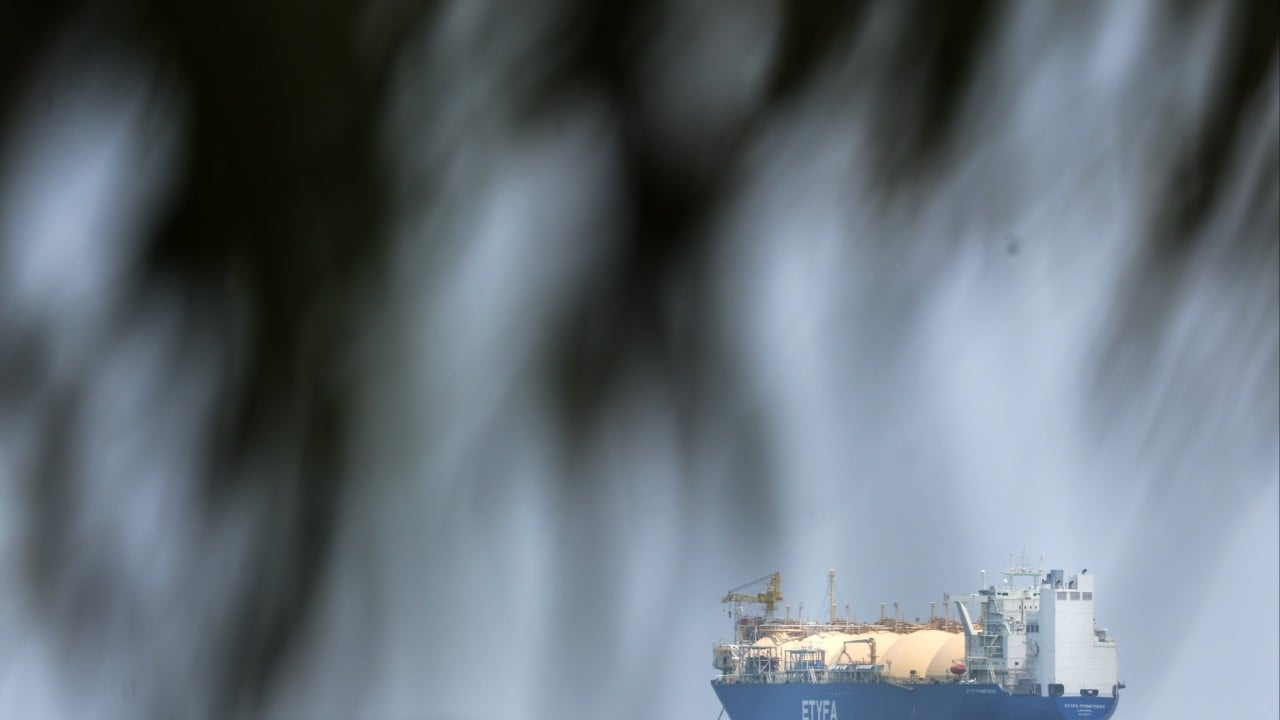
However, building more tanks is a temporary fix. The "how" of this stabilization also involves the "where." We are seeing a shift toward sourcing energy from the Russian Far East and the Americas, bypassing the Middle East entirely where possible. This requires a massive investment in new tanker fleets and specialized LNG carriers, an area where South Korean shipyards currently hold a near-monopoly.
The Hydrogen Pivot and Industrial Survivability
While oil dominates the current crisis, the Indo-South Korean partnership is placing a massive bet on green hydrogen. This is the long game. If you can produce fuel using sunlight and water, you are no longer a hostage to the geopolitical whims of petrostates.
India offers the scale and the raw renewable energy potential. South Korea offers the fuel cell technology and the high-tech manufacturing base. This is a marriage of necessity. The goal is to create a hydrogen supply chain that operates entirely within the Indo-Pacific.
$2H_2 + O_2 \rightarrow 2H_2O + \text{Energy}$
This simple chemical reaction is the exit ramp from the Middle Eastern energy trap. But the transition is fraught with technical hurdles. Transporting hydrogen is a nightmare. It is highly flammable, escapes through the smallest leaks, and requires massive energy for liquefaction. The joint research initiatives currently being funded by New Delhi and Seoul are focused on "ammonia cracking"—using ammonia as a carrier for hydrogen to make long-distance transport viable using existing shipping infrastructure.
The Naval Dimension of Energy Security
You cannot secure a supply chain with contracts alone. You need steel on the water. The Indian Navy has increasingly positioned itself as the "first responder" in the Indian Ocean Region. This role has expanded from anti-piracy operations to active escort duties for commercial vessels.
South Korea’s interest in this is profound. Their export-oriented economy dies if the ships stop moving. We are seeing a quiet but significant increase in joint naval exercises and maritime domain awareness sharing. This means that an Indian P-8I surveillance aircraft might track a threat and relay that data directly to a South Korean destroyer. This level of interoperability was unthinkable a decade ago. It marks the transition of India from a regional power to a maritime security provider for the entire Asian continent.
The Silicon and Crude Intersection
There is an overlooked factor in this energy stabilization: semiconductors. Modern energy grids and smart refineries require advanced chips to function efficiently. South Korea is a semiconductor titan. India is becoming a global hub for the software that runs these systems.
A disruption in energy supply in the Middle East doesn't just hit the gas pump; it hits the power grid that feeds the chip fabrication plants. By stabilizing energy, they are protecting the global supply chain for electronics. The two nations are essentially building a "double-locked" system where energy security and technological security are intertwined. If the power fails in Seoul, the global supply of memory chips halts. If the oil stops reaching Mumbai, the global back-office for the world’s financial systems goes dark. The stakes are global, not just local.
The Myth of Neutrality
For years, India practiced a policy of "multi-alignment," trying to stay friendly with everyone in the Middle East. That era is over. The current conflict is forcing a choice. While India still maintains a working relationship with Tehran and Riyadh, its strategic gravity is shifting toward those who share its maritime interests.
South Korea is in a similar position. It can no longer afford to be a passive observer of Middle Eastern politics. The "peace" President Lee referred to is not a utopian ideal. It is a cold, hard requirement for the survival of the industrial order. They are calling for a "rules-based order" because the alternative is a world where the strongest navy dictates who gets to keep the lights on.
The Weak Link in the Plan
The biggest threat to this stabilization effort isn't a missile from a rebel group. It is the aging infrastructure of the global shipping industry. A significant portion of the world’s tanker fleet is nearing the end of its operational life.
Replacement costs are astronomical. While South Korea can build the ships, the financing for such a massive overhaul is difficult to secure in a high-interest-rate environment. India’s ports, despite recent upgrades, still face significant congestion. If a tanker arrives with "stabilization" oil but has to wait ten days to offload, the price benefit is eaten up by demurrage costs. The partnership must address the "last mile" of energy delivery—the pipelines and port facilities—with the same intensity it gives to high-level diplomacy.
Redefining the Regional Power Balance
This alignment signals a shift in the global hierarchy. The traditional Western-led security architecture in the Middle East is fraying. As the United States focuses more on domestic energy production and the European theater, Asian powers are realizing they must provide their own security.
The Indo-South Korean axis is a blueprint for this new era. It is a partnership born of shared anxiety. By pooling their technological and military resources, they are creating a localized defense against global volatility. This isn't about replacing the Middle East as a source of energy; it is about ensuring that the Middle East can no longer hold the Asian economy hostage.
The "stabilization" they seek will not come from a single treaty or a handshake in a palace. It will be built in the shipyards of Ulsan, the refineries of Jamnagar, and the patrol zones of the Arabian Sea. The real price of energy in the 21st century isn't measured in dollars per barrel. It is measured in the strength of the alliances that protect the transit of those barrels through the most dangerous waters on Earth.
Investors and analysts should look past the diplomatic jargon. The real story is the construction of a hardened, Asian-centric energy corridor that operates independently of traditional Western spheres of influence. This is the new reality of the Indo-Pacific.
Move your capital into the infrastructure that supports this corridor. Watch the naval deployment patterns in the North Arabian Sea. Track the progress of ammonia-to-hydrogen conversion plants. These are the indicators of who will thrive when the next crisis hits the Gulf. The shield is being forged, but its strength has yet to be tested by a true total blockade. That test is coming. Be ready for it.