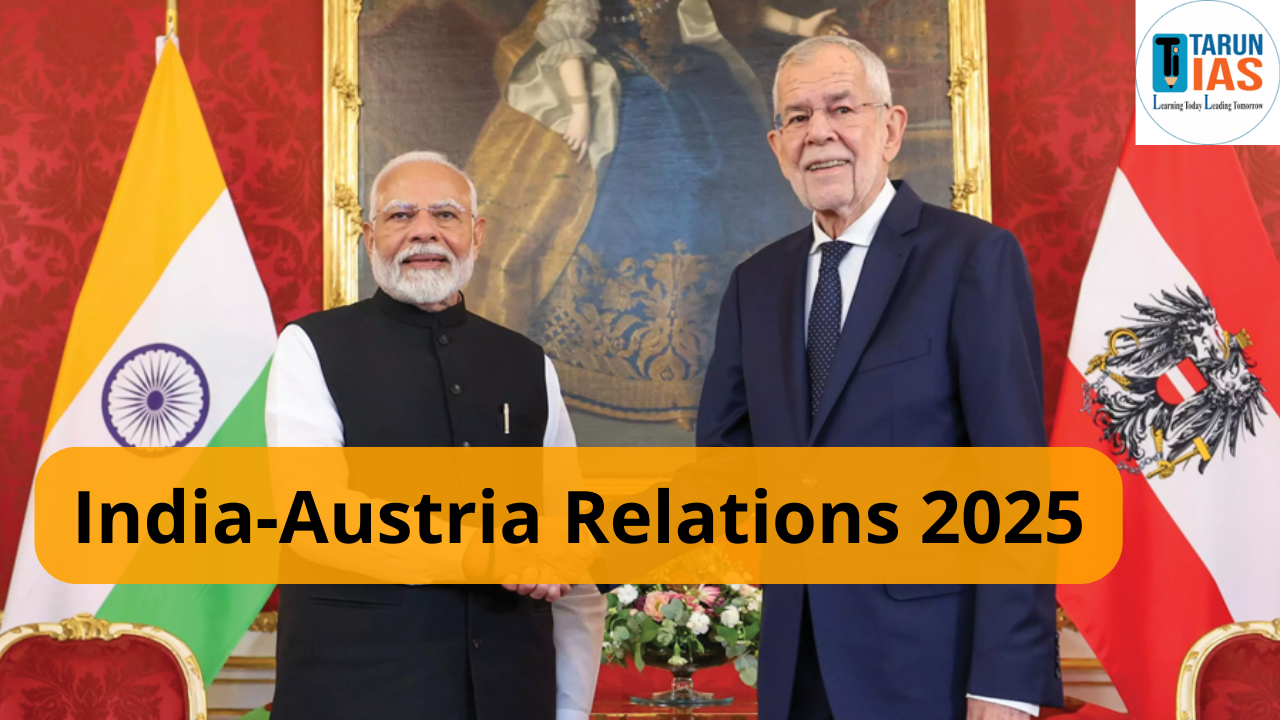
India and Austria just shifted their economic relationship from polite conversation to serious action. When Austrian Chancellor Karl Stocker sat down with Indian leaders at the recent business summit, he didn't just trade pleasantries. He laid out a roadmap for concrete projects that actually mean something for the bottom line of both nations. Most trade summits are just photo ops. This one felt different because the stakes in 2026 are higher than they've ever been.
You've probably seen the headlines about "strengthening ties." I'll tell you what that really means. It means Austrian precision engineering is finally meeting Indian scale in a way that bypasses the usual bureaucratic nightmares. Stocker's message was clear. Austria isn't just looking for a market; they're looking for partners in green tech, infrastructure, and high-end manufacturing.
The Reality of Concrete Projects
We've heard the word "potential" for decades. It's a tired term. Stocker moved past it by highlighting specific sectors where joint ventures are already hitting the ground. The focus isn't on vague cooperation. It's on things like hydro-power technology, smart city infrastructure, and specialized machinery.
Austria is a powerhouse in niche technologies. They don't make everything, but what they do make, they make better than almost anyone else. Indian firms are realizing that cheap isn't always best when you're trying to build a world-class power grid or a high-speed rail network. They need Austrian reliability. On the flip side, Austria needs the massive deployment playground that only India provides.
I’ve seen how these deals fall apart when they’re just top-down government mandates. This summit worked because it brought the CEOs into the room. When the person signing the checks is talking to the person designing the turbine, things move. Stocker basically acted as a door opener. Now, the private sector has to walk through it.
Why the Timing Matters in 2026
The global supply chain is a mess. Everyone’s trying to "de-risk." For Austria, India is the obvious alternative to over-reliance on older, more volatile trade routes. For India, Austria is a gateway to the heart of the European Union.
Chancellor Stocker mentioned that the India-Austria Business Summit creates a framework. That's a fancy way of saying they're cutting the red tape. If you're an Indian tech firm trying to get into Central Europe, the path just got a lot smoother. If you're an Austrian "Mittelstand" company—those famous medium-sized family businesses—India doesn't look so intimidating anymore.
Investors often forget that Austria is more than just Mozart and mountains. It’s a tech hub. They spend a massive chunk of their GDP on R&D. India, meanwhile, is churning out engineers at a rate the world can barely keep up with. When you combine Austrian IP with Indian talent, you get a monster of a business partnership.
Moving Beyond the Standard Trade Agreement
Most people look at the EU-India Free Trade Agreement talks and yawn. It's been dragging on forever. Stocker's approach at this summit was different. He didn't wait for the big, slow EU machine to fix everything. He focused on bilateral wins.
These "concrete opportunities" Stocker talked about aren't just about selling goods. They're about co-development. We’re talking about Austrian companies setting up R&D centers in Bengaluru and Indian firms investing in Austrian logistics hubs. It’s a two-way street.
I’ve noticed a trend where European leaders come to New Delhi, give a speech, and leave. Stocker stayed for the grit. He addressed the skill gap. He talked about the mobility of professionals. India has the youth; Austria has the aging population and the high-tech jobs. It’s a perfect match, but only if the visa and labor laws play ball. The summit addressed this head-on.
The Green Transition is the Real Winner
If there’s one area where this partnership is going to explode, it’s sustainability. Austria is a leader in renewable energy, particularly hydro and biomass. India has some of the most ambitious green energy goals on the planet.
You can't hit those targets with yesterday’s tech. Stocker emphasized that Austrian firms are ready to bring "green hydrogen" solutions and advanced waste management systems to Indian states. This isn't charity. It's a massive business opportunity.
I think we’re going to see a wave of "Green Corridors" between Vienna and New Delhi. These won't just be environmental projects; they’ll be profitable enterprises. The summit highlighted that the capital is there. The tech is there. The political will is finally there too.
What Businesses Should Do Right Now
If you're sitting on the sidelines, you're missing the window. The "concrete opportunities" Stocker mentioned are being snatched up by early movers.
First, stop looking at India as just a BPO destination. It's a high-tech manufacturing hub now. Second, Austrian companies need to realize that "copy-paste" strategies from Europe won't work in India. You have to localize.
Indian entrepreneurs should look at the Austrian Mittelstand model. These companies dominate their niches globally while staying small and agile. There’s a lot to learn there about longevity and quality.
The summit didn't just end with a handshake. It ended with a list of follow-up meetings scheduled for the next six months. That’s the metric of success. Not the dinner, but the calendar.
Get your legal teams to look at the new bilateral investment frameworks. Check the updated regulations on tech transfers. The path is being cleared. If you have the tech or the scale, now is the time to make the move. The momentum from the Stocker visit won't last forever, but the projects started today will define the next decade of trade.